
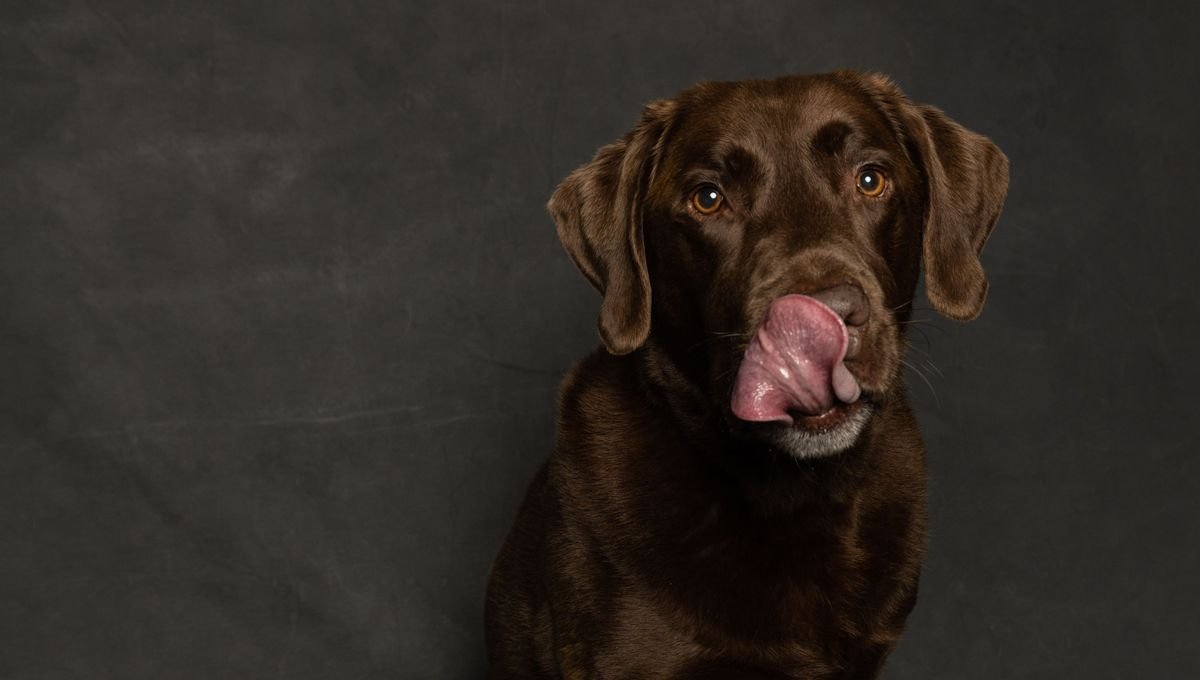
If you have ever noticed your dog licking the air with no food or treat in sight, you might be puzzled. This behavior, known as air licking, can have several explanations ranging from normal canine communication to underlying health concerns.
Understanding why dogs lick the air can help you determine whether it is a harmless quirk or a sign that something is wrong. In this article, we will explore the most common reasons behind air licking and offer guidance on when to seek veterinary advice.
Common Natural Reasons for Air Licking
Air licking is often a normal part of canine behavior. Many dogs use their tongues to gather sensory information or express emotional states. Let’s look at some of the most typical non medical triggers.
Scent Exploration and the Flehmen Response
Dogs experience the world largely through their sense of smell. When a dog licks the air, it may be trying to capture scent particles and transfer them to the vomeronasal organ located on the roof of the mouth. This is called the Flehmen response. You might see this after your dog has sniffed an interesting odor like another animal’s urine or a new food. The licking helps them analyze the scent more thoroughly.
Anticipation of Food or Treats
Many dogs lick the air when they expect a tasty reward. This can be a conditioned response. If you often give your dog a treat after they lick their lips or the air, they may repeat the behavior in anticipation. It is similar to how some dogs drool or smack their lips before a meal.
Stress or Anxiety
Dogs may lick the air as a calming signal or a displacement behavior when they feel anxious, nervous, or conflicted. For example, a dog that is unsure about meeting a new person or facing a loud noise might lick the air to self soothe. If you notice the behavior during thunderstorms, vet visits, or other stressful events, anxiety could be the cause.
Medical Causes of Air Licking in Dogs
While air licking is often harmless, it can sometimes indicate an underlying medical problem. If the behavior is new, persistent, or accompanied by other symptoms, a veterinary examination is recommended.
Gastrointestinal Issues and Nausea
One of the most common medical reasons for air licking is nausea. Dogs with an upset stomach, acid reflux, or pancreatitis may lick the air excessively. This action is thought to help reduce nausea or bring up bile. Look for other signs like drooling, swallowing frequently, vomiting, or loss of appetite.
Dental Problems or Oral Pain
Pain in the mouth from a broken tooth, gum disease, or an oral growth can cause a dog to lick the air. The licking may be an attempt to alleviate discomfort or dislodge debris. Bad breath, drooling, or reluctance to eat often accompany dental issues.
Neurological Conditions
In some cases, air licking is a sign of a neurological disorder such as a focal seizure or compulsive disorder. Seizures can manifest as subtle behaviors like repeated licking of the air, also called fly biting. If your dog seems to snap at imaginary flies or has episodes of dazed behavior along with air licking, consult a neurologist.
Allergies or Skin Issues
Allergies can cause itchiness around the lips and face. Dogs may lick the air as a response to that irritation. Food allergies, environmental allergens, or contact dermatitis could be triggers. Check for redness, bumps, or excessive paw licking as well.
When Should You Worry About Air Licking?
Occasional air licking is generally not a cause for concern. However, you should watch for red flags. If the licking is frequent, lasts more than a few minutes at a time, or is accompanied by other symptoms like vomiting, diarrhea, lethargy, pacing, or unusual eye movements, schedule a vet visit. Also, if your dog suddenly starts air licking and has a known history of seizures or gastrointestinal problems, prompt evaluation is wise.
How to Address Air Licking Behavior
Managing air licking depends on the underlying cause. Here are some general strategies to help your dog.
Environmental Enrichment
If stress or boredom is the culprit, providing more mental stimulation can reduce the behavior. Try puzzle toys, interactive games, new walking routes, or training sessions. A tired dog is less likely to engage in displacement behaviors.
Veterinary Checkup
For medical causes, treatment will target the specific issue. For nausea, your vet may prescribe anti nausea medication or a bland diet. Dental problems may require cleaning or extraction. Neurological conditions might need anticonvulsants or behavior modification. Always follow your vet’s advice and never attempt to diagnose at home.
Frequently Asked Questions about Dogs Licking the Air
Many dog owners have similar questions about air licking. Here are a few common ones. Is air licking always a sign of a problem? No, most of the time it is normal behavior related to scent or anticipation. However, if it becomes excessive or paired with other symptoms, it warrants attention. Can dogs lick the air due to allergies? Yes, allergies can cause oral itching and lead to air licking. A vet can help identify the allergen and recommend treatment. Should I stop my dog from licking the air? If it is a harmless habit, you don’t need to intervene. But if the behavior is compulsive or medical, address the root cause. Redirecting with a command like ‘sit’ or offering a chew toy can help break the cycle.