
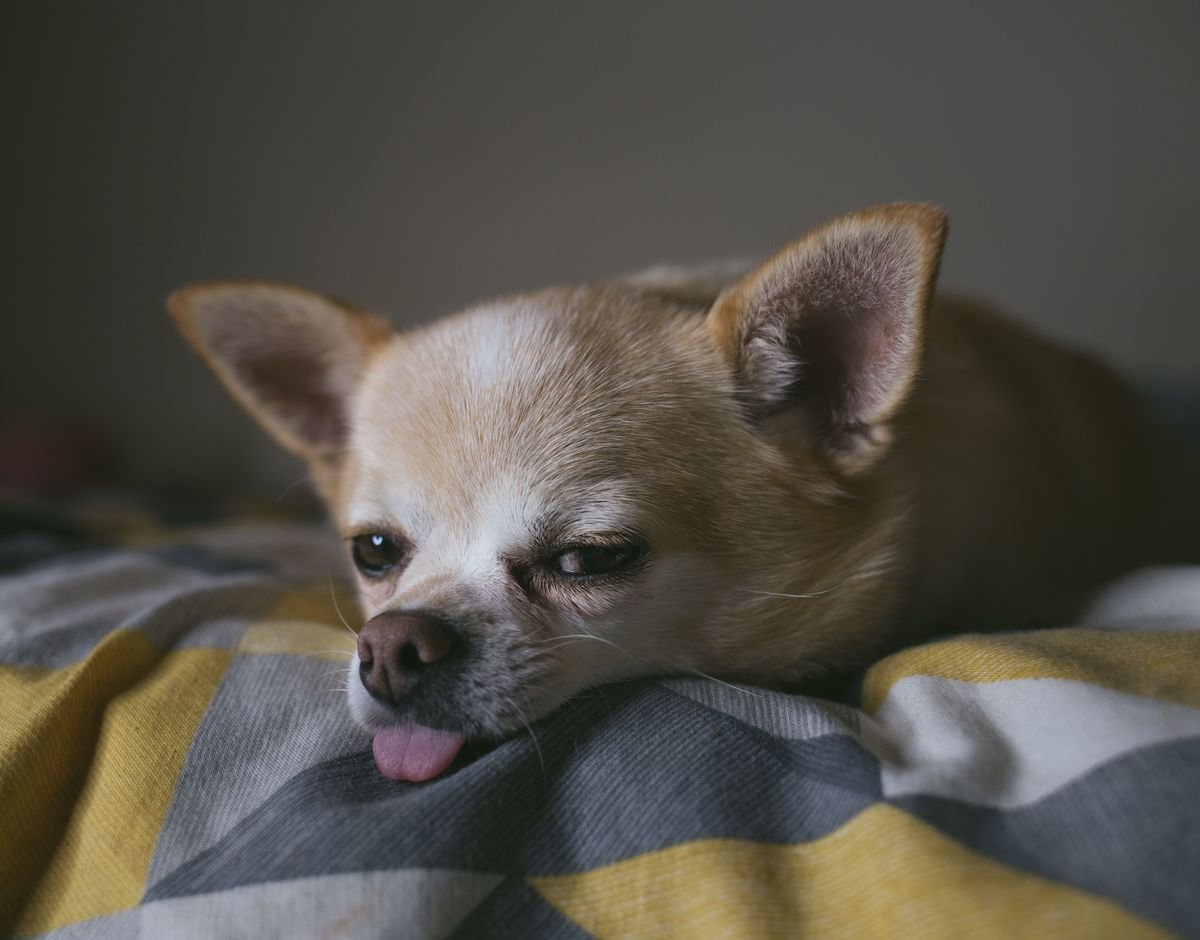
If you have ever peeked at your sleeping dog and noticed a bit of tongue hanging out, you might have wondered if something is wrong. The sight can be endearing, but it also raises questions. Is it normal? Does it mean your dog is comfortable, or could it indicate a problem?
The answer is usually simple. For most dogs, sleeping with the tongue out is a sign of deep relaxation. However, there are times when it points to a health concern. Understanding the difference can help you ensure your pet stays happy and healthy.
Normal Reasons for Tongue-Out Sleeping
In the majority of cases, a sleeping dog with its tongue out is nothing to worry about. Several natural factors contribute to this adorable habit.
Relaxed Jaw Muscles
When dogs fall into a deep, restful sleep, their entire body relaxes. This includes the muscles of the jaw and mouth. Just like humans might let their mouths fall open, dogs can lose control over their tongue. The result is that the tongue slips out past the teeth and lips. This is especially common in breeds with floppy jowls or loose skin around the mouth, such as Bloodhounds or Saint Bernards.
Heat Regulation
Dogs do not sweat through their skin like humans do. They rely on panting and releasing heat through their mouth and tongue. While asleep, if a dog is slightly warm, it may stick out its tongue to cool down. The tongue has a large surface area with many blood vessels. Evaporation of saliva helps lower body temperature. This is a perfectly normal way for your dog to regulate heat during rest.
Deep Sleep and REM
During rapid eye movement (REM) sleep, dogs experience vivid dreams. You might see twitching paws, whimpering, or even small barks. At this stage, the tongue may protrude due to the intense brain activity and muscle atonia (temporary paralysis of most muscles). The tongue is one of the few muscles that can remain partially active. So a hanging tongue can be a sign that your dog is in a deep, satisfying dream.
Breed-Specific Factors
Some dog breeds are more prone to sleeping with their tongue out because of their physical anatomy. This is usually harmless, but it is good to be aware.
Brachycephalic Breeds
Brachycephalic dogs have flat faces and shortened snouts. Examples include Pugs, Bulldogs, French Bulldogs, and Boston Terriers. These breeds often have an undershot jaw and a tongue that is relatively large for their mouth. Their dental structure may not provide enough space for the tongue to rest comfortably inside. As a result, the tongue naturally hangs out when they relax. This is a breed characteristic and not a problem, though it can sometimes contribute to breathing issues during sleep.
Dogs with Large Tongues
Certain breeds are known for having exceptionally long or large tongues. Chow Chows, Golden Retrievers, and Labrador Retrievers can have tongues that are too long to fit neatly inside the mouth. When they lie down and relax, gravity pulls the tongue forward, and it slips out. Again, this is simply a matter of anatomy.
Medical Causes Behind the Habit
While tongue-out sleeping is often normal, it can sometimes be a symptom of an underlying health issue. Pay attention if the behavior appears suddenly or is accompanied by other signs.
Dental and Oral Issues
Problems like tooth decay, gum disease, or an oral infection can make it uncomfortable for your dog to keep its mouth closed. Pain or swelling may cause the tongue to protrude. If your dog also has bad breath, drools excessively, or paws at its mouth, a veterinary dental check is in order.
Neurological Conditions
Damage to the nerves that control the tongue, or certain neurological disorders, can lead to a condition called ‘hanging tongue syndrome.’ This is when the tongue hangs out all the time, not just during sleep. Possible causes include head trauma, stroke, or degenerative nerve diseases. If your dog cannot retract its tongue while awake, seek veterinary attention promptly.
Overheating or Dehydration
A dog that is too hot or dehydrated may pant heavily even while resting. Panting involves an open mouth and extended tongue. If your dog is sleeping with its tongue out and breathing rapidly or noisily, it could be overheating. Ensure your dog has access to cool water and a shaded, well-ventilated sleeping area. In severe cases, heatstroke is an emergency.
When to Consult Your Veterinarian
In most situations, a sleeping dog with its tongue out is a normal, harmless behavior. However, you should be alert for red flags. If the tongue is hanging out all the time (during waking hours as well), or if it appears dry, cracked, or discolored, a vet visit is wise. Additional symptoms such as difficulty breathing, excessive drooling, loss of appetite, or lethargy also warrant professional advice.
Keep in mind that each dog is unique. If you notice a sudden change in your dog’s sleeping posture or tongue position, it is better to err on the side of caution. A quick check-up can rule out serious issues and give you peace of mind.
Understanding why dogs sleep with their tongue out helps you appreciate your pet’s relaxation while staying informed about potential health concerns. As long as your dog is otherwise healthy and happy, that little pink tongue is just another charming quirk of canine sleep.