
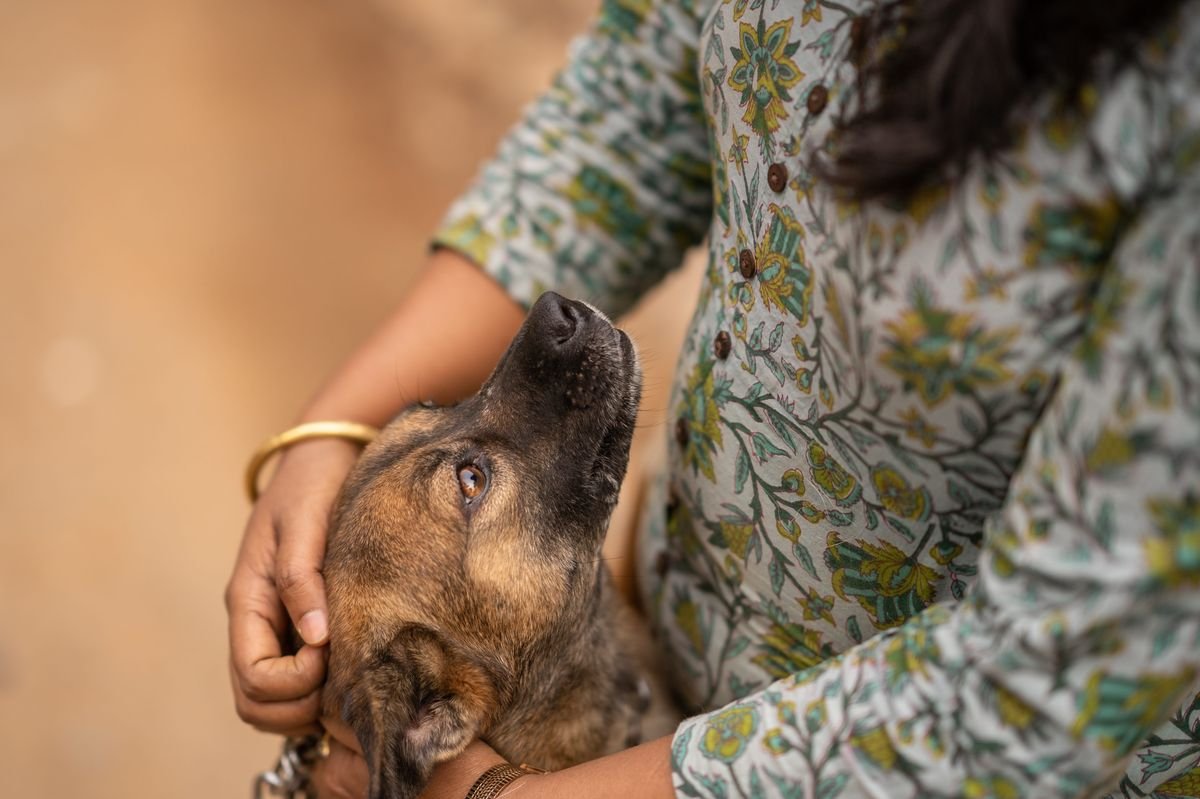
Petting a dog seems like the most natural way to show affection. But have you ever wondered if your dog actually enjoys it? Many owners assume that all dogs love being touched, but the reality is more nuanced. Dogs communicate through body language, and not every pat or scratch is welcome.
Understanding whether your dog likes being petted involves reading their signals and respecting their preferences. In this article, we explore the science behind petting, the signs that indicate pleasure or discomfort, and how to make every touch a positive experience for your furry friend.
The Science Behind Why Dogs Like Being Petted
When you pet your dog, their body releases oxytocin, often called the ‘love hormone.’ This hormone is released in both dogs and humans during positive social interactions, including petting. A study from Emory University found that dogs’ brains show increased activity in an area associated with reward and pleasure when they are petted. This suggests that many dogs genuinely enjoy the physical contact.
However, the context matters. A dog that is relaxed and comfortable in their environment will experience the positive effects of oxytocin. If the dog is stressed, fearful, or in pain, petting may not have the same effect. In fact, it could increase their anxiety. So while the science supports that petting can be pleasurable, it depends on the individual dog and the situation.
How to Tell if Your Dog Enjoys Being Petted
Dogs use body language to communicate their feelings. A dog that enjoys being petted will show clear signs of relaxation and pleasure. Look for these indicators:
– A soft, relaxed body posture. The dog may lean into your hand or nudge you for more.
– A gently wagging tail held in a neutral or slightly raised position. A stiff, fast wag can indicate excitement or stress, not necessarily happiness.
– Relaxed ears that are not pinned back or tense.
– Soft eyes with relaxed eyelids. The dog may even close their eyes contentedly.
– A slightly open mouth with a relaxed tongue, almost like a smile.
If you see these signs, your dog is likely enjoying the interaction. If the dog becomes still, stiff, or tries to move away, they are telling you to stop.
The Best Places to Pet a Dog (and Where to Avoid)
Just as humans have preferences for how and where we like to be touched, dogs do too. Generally, dogs prefer petting on the chest, shoulders, and base of the tail. Many dogs also enjoy gentle scratches behind the ears or under the chin.
On the other hand, many dogs dislike being petted on the top of the head, paws, tail, or belly. Reaching over a dog’s head can be perceived as threatening. A paw or tail touch can startle them. And while some dogs love belly rubs, others will roll over as a submissive gesture, not an invitation. Always approach from the side and let the dog initiate contact when possible.
Why Some Dogs Don’t Like Being Petted
There are several reasons a dog might not enjoy being petted. Some dogs have had negative experiences with handling, such as rough treatment or punishment. Others may have a genetic predisposition to be more sensitive or independent. Dogs with certain medical conditions, such as arthritis or skin allergies, may find petting painful.
Additionally, a dog’s personality and breed can play a role. For example, Border Collies and other herding breeds are often less tactile than retrievers. Even within the same breed, individual preferences vary. It is important to respect a dog’s boundaries and never force physical affection.
How to Pet a Dog the Right Way
To ensure a positive experience, follow these guidelines:
1. Ask the owner for permission before petting a strange dog.
2. Let the dog approach you first. Avoid leaning over them.
3. Start with gentle strokes on the side of the neck or chest. Use a flat hand, not a patting motion.
4. Watch for signs of discomfort. If the dog moves away or stiffens, stop.
5. Keep sessions short. Even dogs that enjoy petting can become overwhelmed.
6. End on a positive note by rewarding with a treat or verbal praise.
By paying attention to your dog’s cues, you can make petting a bonding experience that both of you enjoy. Remember, every dog is an individual, and respecting their preferences is key to a happy relationship.