
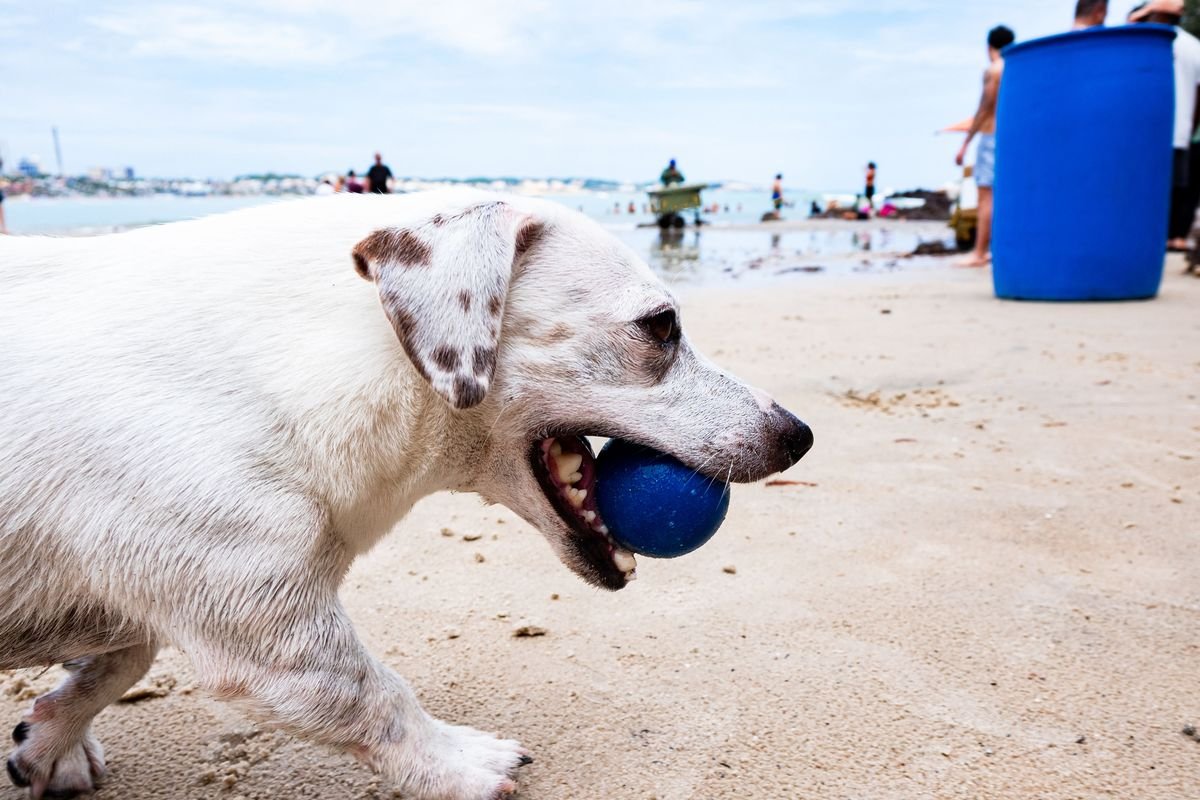
If you’ve ever watched dogs play, you may have noticed that they sneeze mid-romp. It’s not a cold or an allergy. It’s a common behavior that many dog owners find puzzling. So why do dogs sneeze when playing? The answer is multifaceted: it can be a form of communication, a way to regulate excitement, or even a reflex to the intensity of play.
Understanding play sneezing helps you read your dog’s body language better and ensures that playtime remains fun and safe. In this article, we’ll explore the top reasons behind this quirky behavior and when you should pay close attention.
Play Sneezing: A Common Canine Behavior
Dogs use sneezing during play as a normal part of their social interactions. Unlike humans, dogs don’t sneeze primarily due to irritants. Instead, their sneezes often serve a purpose in communication. When two dogs are wrestling or chasing, you might hear several short sneezes. This is sometimes called a ‘play sneeze’ or ‘play snort’ because it sounds different from a regular sneeze.
The behavior is so common that many dog trainers and behaviorists consider it a key element of canine play etiquette. It helps maintain harmony and prevents misunderstandings.
The Communication Theory: Sneeze as a Signal
One of the most widely accepted explanations is that sneezing during play is a communication signal. It tells other dogs that the aggressive actions are just play, not a real threat. This is especially important when dogs engage in rough play that might otherwise be misinterpreted as fighting.
Think of it as a ‘safe word’ in the canine world. A sneeze can pause the action momentarily, allowing both dogs to check in with each other. It reassures the playmate that everything is friendly and fun.
The ‘Play Bow’ Connection
Sneezing often accompanies the classic ‘play bow’ (front legs down, hind end up). The play bow is an invitation to play, and when paired with a sneeze, it reinforces the playful intent. Dogs may sneeze right after a play bow to signal that the upcoming chase or tackle is all in good fun.
This combination of body language and vocalization (the sneeze) creates a clear message that reduces the risk of escalating into aggression.
The Excitement Reflex: When Play Gets Too Intense
Another reason dogs sneeze when playing is simply because they are excited. Intense play triggers a rush of adrenaline and heightened arousal. For some dogs, this excitement overflows into a physical reflex: a sneeze.
This is similar to how some people sneeze when they experience sudden bright light (photic sneeze reflex). For dogs, the rapid movement, close contact, and physical stimulation can tickle their nasal passages and trigger a sneeze. It’s not necessarily a communication signal here; it’s just a natural response to being wound up.
The Calming Signal: De-escalating Rough Play
Dogs also use sneezes as a calming signal. Calming signals are subtle behaviors that dogs display to diffuse tension and avoid conflict. A sneeze can interrupt a moment of high arousal and give both dogs a chance to reset.
If play becomes too rough or one dog feels overwhelmed, a sneeze may signal ‘Let’s take a break’ or ‘I need a moment.’ This is a polite way to de-escalate without resorting to a growl or snap. It’s a sign of a socially skilled dog.
Other Causes of Sneezing During Play
While the above reasons are the most common, other factors can contribute to sneezing during play.
Excitement-induced nasal irritation: If a dog is panting heavily or has a lot of saliva during play, droplets can enter the nasal passages and cause a sneeze. This is purely physical.
Environmental triggers: Playing outdoors exposes dogs to dust, pollen, grass, and other particles. Even if your dog doesn’t have allergies, the increased airflow can stir up irritants that lead to sneezing.
Breed tendencies: Brachycephalic breeds (like Pugs, Bulldogs, and Boxers) have shorter nasal passages and are more prone to sneezing from any excitement or physical exertion.
When to Worry: Signs of a Problem
Most sneezing during play is normal, but there are times when it warrants a closer look. If your dog sneezes frequently outside of play, has discharge from the nose, shows signs of pain, or has a persistent sneeze that doesn’t resolve, it could indicate a health issue such as a nasal infection, foreign object, or dental problem.
Pay attention if the sneezing is accompanied by other symptoms like coughing, lethargy, or loss of appetite. In such cases, consult your veterinarian to rule out medical causes. But if your dog sneezes only during enthusiastic play and otherwise seems healthy, it’s likely just a harmless quirk.
Embracing the Play Sneeze: What It Means for You
Understanding why dogs sneeze when playing can deepen your bond with your pet. It gives you insight into their social language and emotional state. Next time you hear that quick ‘achoo’ during a game of fetch or tug-of-war, you’ll know it’s a good sign: your dog is having fun, communicating clearly, and enjoying their playtime safely.
Remember that play sneezing is a positive behavior in most cases. It shows that your dog is engaged, respectful of their playmates, and expressing joy. So let them sneeze and keep playing. It’s just one more way our canine companions talk to us and to each other.