
It’s a scenario many dog owners have witnessed: a dog squats or lifts a leg and urinates directly onto another dog. While it might seem rude or puzzling to us, this behavior is deeply rooted in canine instincts and communication. Understanding why dogs pee on other dogs can help you interpret your pet’s actions and address any underlying issues.
This article explores the various reasons behind this behavior, from social signaling and hierarchy to potential medical problems. Whether your dog is the one doing the peeing or the recipient, you’ll gain insights into what’s happening and how to respond appropriately.
Understanding Canine Communication Through Urination
Dogs rely heavily on scent to communicate with each other. Their urine contains chemical signals called pheromones that convey information about their identity, health, reproductive status, and mood. When a dog urinates on another dog, they are essentially leaving a ‘message’ or reading the other dog’s signals.
This behavior is most common in multi-dog households, during greetings, or at dog parks. It is a normal part of canine social interaction, but the context matters. Sometimes it’s a friendly hello, other times it may be a sign of anxiety or dominance. Observing the accompanying body language can help you interpret the intent.
The Power of Scent
A dog’s sense of smell is thousands of times more sensitive than a human’s. Urine marks are like post-it notes that dogs can read in seconds. By urinating on another dog, a dog may be covering that dog’s scent with their own, effectively saying ‘I was here’ or ‘we are part of the same pack.’
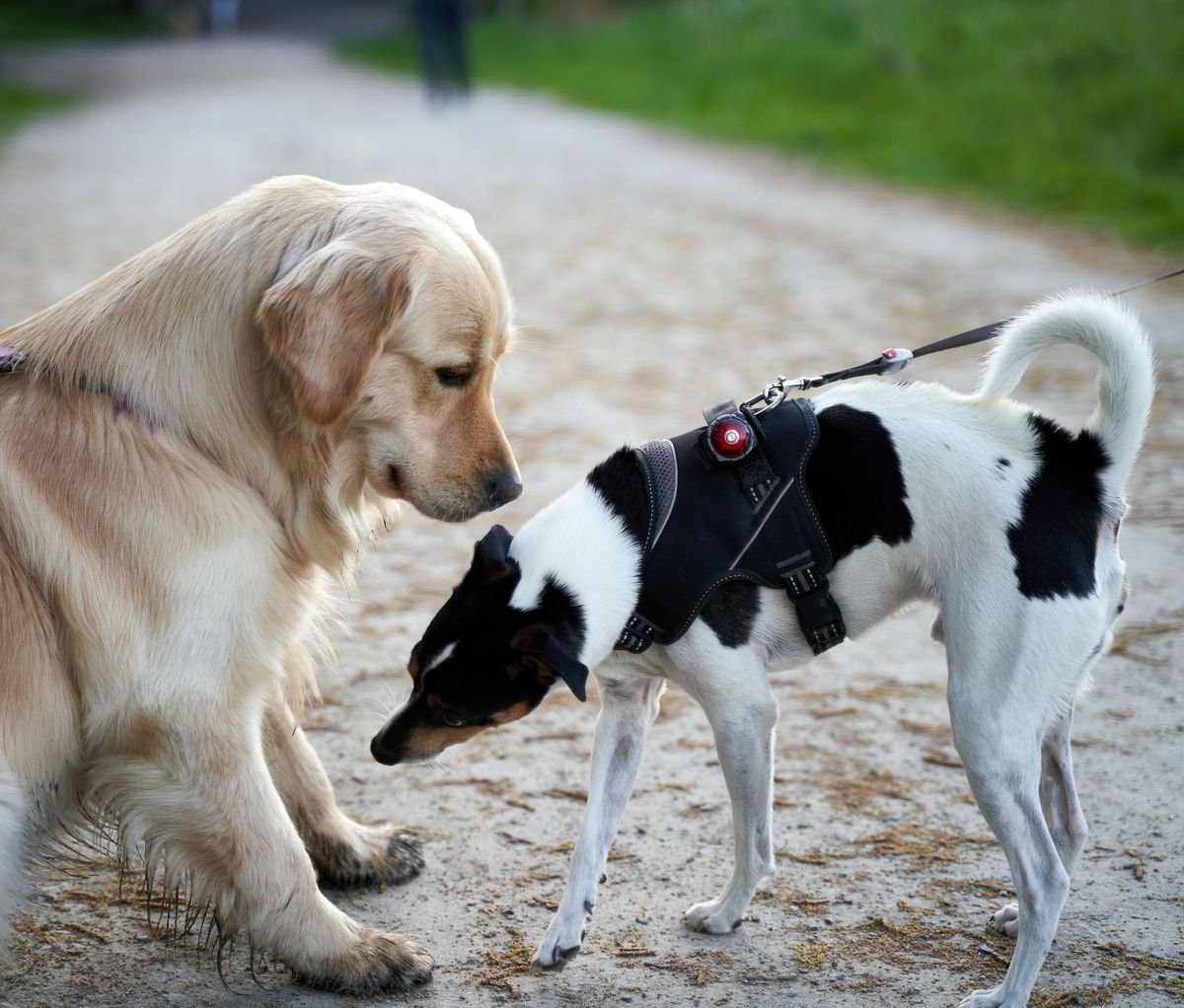
In some cases, dogs will sniff another dog’s rear end and then urinate shortly after. This is a form of ‘scent checking’ where they exchange information. It is generally harmless and part of normal social behavior.
Urination as a Social Signal
Urinating on another dog can also be a submissive gesture. A dog that rolls over and urinates when greeted by another dog is showing deference. This is often seen in puppies or dogs with timid personalities. It signals that they are not a threat and accept the other dog’s higher status.
Conversely, a dog that actively approaches and urinates on a resting or unsuspecting dog may be asserting dominance. This is more common in intact males, but females can do it too. The key is to watch the recipient’s reaction: if they tolerate it without issue, it’s likely accepted as normal communication.
Social Hierarchy and Dominance
In multi-dog households, peeing on another dog can be a way to establish or reinforce the social order. The alpha dog may urinate on lower-ranking dogs to remind them of their place. This is often subtle, but it can escalate if there is tension.
However, dominance theory has been nuanced in recent years. Many behaviorists now view such actions as part of a complex relationship rather than a simple power struggle. The behavior is normal unless it leads to stress or conflict.
Dominance Marking
A dominant dog may target a fellow canine with a quick squirt of urine, especially after a dispute or when resources are involved. This is a clear signal that the dominant dog is in charge. In stable packs, this rarely causes issues. But if the subordinate dog resists, fights may break out.
If you notice your dog being targeted frequently and showing signs of anxiety (like tucked tail or avoidance), it may be a sign of an unhealthy relationship. Intervention through training or separate feeding areas might be needed.
Submissive Urination
On the flip side, submissive urination is when a dog pees while crouching, often exposing their belly. This is common in puppies and dogs that have been punished harshly. They urinate to appease a perceived threat. It is not deliberate; it’s an involuntary response to fear or excitement.
If your dog pees on another dog during play, it could be a sign of over-excitement. Encourage calm greetings and avoid looming over the dog. Positive reinforcement helps build confidence.
Territorial Marking
Territorial marking is a key reason dogs urinate on objects and sometimes on other dogs. By leaving their scent, they claim an area or an object as their own. If a dog perceives another dog as an intruder in their space, they might urinate on them to assert ownership.
This behavior is more common in male dogs, especially those who are not neutered. Neutering can reduce territorial marking by up to 80%. Female dogs also mark, particularly when in heat.
Medical Reasons for Inappropriate Urination
While peeing on other dogs is often behavioral, medical issues can also be at play. If your dog suddenly starts this behavior or it seems excessive, a veterinary checkup is wise. Conditions that cause frequent urination or urgency can lead to accidents on other dogs.
Urinary Tract Infections
A urinary tract infection (UTI) can cause a dog to urinate more frequently and sometimes involuntarily. A dog with a UTI might not be able to control when and where they urinate. If your dog is peeing on other dogs along with other symptoms like straining, blood in urine, or excessive licking, see your vet.
Treatment with antibiotics usually resolves the issue quickly.
Incontinence and Other Conditions
Hormonal imbalances, kidney disease, diabetes, and age-related incontinence can also lead to accidental urination. Older dogs may lose bladder control and leak urine when resting, which can happen if another dog is lying nearby.
If the urination is accompanied by increased thirst, weight loss, or changes in appetite, consult a veterinarian. Managing the underlying condition will likely stop the behavior.
How to Manage and Prevent This Behavior
If your dog pees on other dogs and it becomes a problem, there are steps you can take. The approach depends on the underlying cause. For behavioral reasons, training and environmental management are key. For medical reasons, treat the health issue first.
Training and Socialization
For dominance marking, reinforce your role as the leader through obedience training. Teach your dog a ‘leave it’ command. For submissive urination, avoid punishment. Use calm, gentle greetings and reward confident behavior.
Proper socialization from puppyhood helps dogs learn appropriate interactions. If your dog is anxious, work with a behaviorist. Neutering can reduce hormonally driven marking.
Veterinary Evaluation
If the behavior appears suddenly or is accompanied by other signs, schedule a vet visit. Rule out infections, diseases, or pain. Your vet may recommend blood work, urinalysis, or imaging.
Once medical causes are ruled out, you can focus on behavior modification. Keep a journal to identify patterns: when and where does it happen? This can help tailor your approach.
When to Be Concerned
While peeing on other dogs is often normal, there are red flags. If the recipient dog shows stress or aggression, or if the peeing dog is constantly doing it, intervention is needed. Also, if the behavior is new in an older dog, suspect a medical issue.
If fights break out or one dog is being bullied, separate them and consult a professional. Most behavioral issues can be managed with patience and proper guidance.
Final Thoughts
Dogs pee on other dogs for many reasons, from friendly greetings to dominance displays and health problems. Understanding the context and your dog’s overall behavior is key to addressing it appropriately.
By observing your dog’s body language, consulting your vet, and using positive training methods, you can ensure that this behavior remains a normal part of canine communication without causing stress. Celebrate your dog’s natural instincts while guiding them toward peaceful coexistence.