
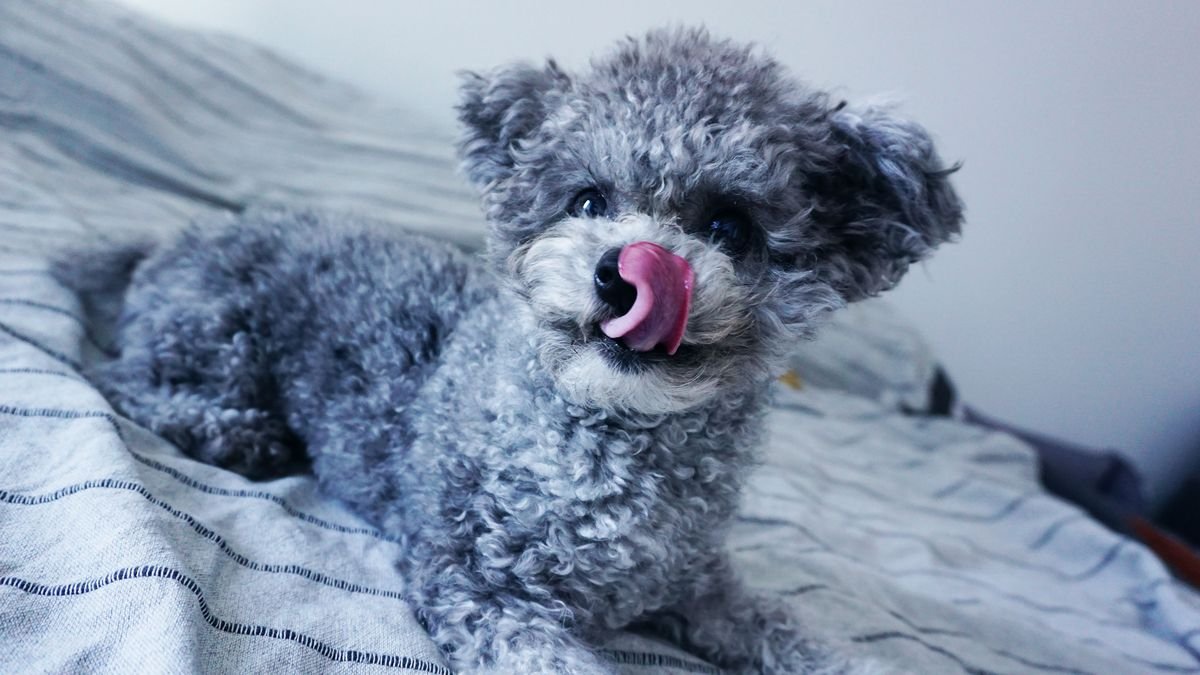
If you have ever watched your dog spend several minutes licking their bed, you might wonder if something is wrong. This behavior is actually quite common, and it can stem from a variety of causes. Understanding why dogs lick their bed can help you determine whether it is a harmless habit or a sign of an underlying issue.
In this article, we will explore the most common reasons for bed licking, discuss when it might indicate a problem, and offer tips to address excessive licking. By the end, you will have a clearer picture of your dog’s behavior and know what steps to take if needed.
Common Reasons Dogs Lick Their Bed
Dogs use their mouths and tongues to explore the world, so licking objects is a normal part of canine behavior. When it comes to bed licking, the reasons can range from simple comfort to more complex emotional or physical needs.
Scent Marking and Comfort
Dogs have scent glands in their tongues and paws. By licking their bed, they may be depositing their own scent to mark it as their territory. This is especially common in multi-pet households or after the bed has been washed. The familiar scent provides a sense of security and comfort, much like how humans enjoy the smell of their own pillow.
Self-Soothing and Anxiety
Licking releases endorphins, which have a calming effect. Dogs that feel anxious, stressed, or bored may lick their bed as a way to self-soothe. This is similar to thumb-sucking in children. Common triggers include separation anxiety, changes in the household, loud noises like thunderstorms, or a lack of mental stimulation.
Exploration and Boredom
Puppies and curious dogs often lick their bed simply to investigate its texture and taste. The fabric might hold interesting smells from food crumbs, sweat, or other residues. If your dog is left alone for long periods without enough exercise or toys, licking can become a repetitive behavior to pass the time.
Leftover Food or Tasty Residue
Sometimes the reason is straightforward: your dog may be licking up crumbs or remnants of a treat that fell on the bed. If you allow your dog to eat on their bed or give them treats there, the smell of food can trigger licking long after the actual food is gone.
When Bed Licking Might Be a Problem
Occasional bed licking is usually nothing to worry about. However, if the behavior becomes excessive or is accompanied by other symptoms, it may indicate a medical or behavioral issue that requires attention.
Obsessive or Compulsive Behavior
If your dog licks their bed for hours on end and cannot be easily redirected, it may be a sign of canine compulsive disorder (CCD). This condition is similar to obsessive-compulsive disorder in humans and often requires professional intervention. Other signs include spinning, tail chasing, or pacing.
Gastrointestinal Issues
Excessive licking of surfaces (including bedding) can be a symptom of nausea, acid reflux, or other digestive problems. Dogs sometimes lick to stimulate saliva production or to try to soothe an upset stomach. If your dog also drools, vomits, or has changes in appetite, consult your veterinarian.
Allergies or Skin Irritation
Dogs with allergies or skin conditions may lick their bed in an attempt to relieve itching or discomfort. The licking could transfer allergens from the bed to their mouth or provide a soothing sensation. Look for signs like red skin, hair loss, or frequent scratching.
Dental Pain or Oral Discomfort
Licking can also be a response to dental issues such as a broken tooth, gum inflammation, or an oral foreign object. The repetitive motion may distract from the pain. Check your dog’s mouth for any obvious problems, and schedule a dental exam if needed.
How to Address Excessive Bed Licking
If your dog’s bed licking is frequent or problematic, there are several steps you can take to reduce the behavior and address any underlying causes.
Increase Physical and Mental Stimulation
Boredom is a common trigger for repetitive licking. Make sure your dog gets enough daily exercise and mental enrichment through puzzle toys, training sessions, or interactive games. A tired dog is less likely to engage in obsessive behaviors.
Provide a Safe and Calm Environment
If anxiety is the root cause, work on creating a more secure environment. Use calming aids like pheromone diffusers, soothing music, or anxiety wraps. For separation anxiety, practice gradual desensitization and consider consulting a professional trainer or behaviorist.
Clean the Bed Regularly
Wash the bed according to the manufacturer’s instructions to remove food smells, allergens, and saliva buildup. Use an enzyme-based cleaner to break down odors that might attract your dog to lick. A fresh, clean bed can reduce the urge to lick.
Consult Your Veterinarian
If you suspect a medical issue, or if the licking persists despite your efforts, schedule a visit to the vet. They can rule out gastrointestinal problems, allergies, dental pain, or other conditions. They may also recommend a behavior specialist if the problem is behavioral.
Final Thoughts
Watching your dog lick their bed can be puzzling, but in most cases it is a harmless behavior rooted in instinct, comfort, or exploration. By paying attention to how often your dog licks and in what context, you can better understand their needs. If the licking becomes excessive or is paired with other concerning signs, don’t hesitate to seek professional advice. Your dog’s licking habit might just be a quirky part of their personality, or it could be a gentle signal that something more is going on.