
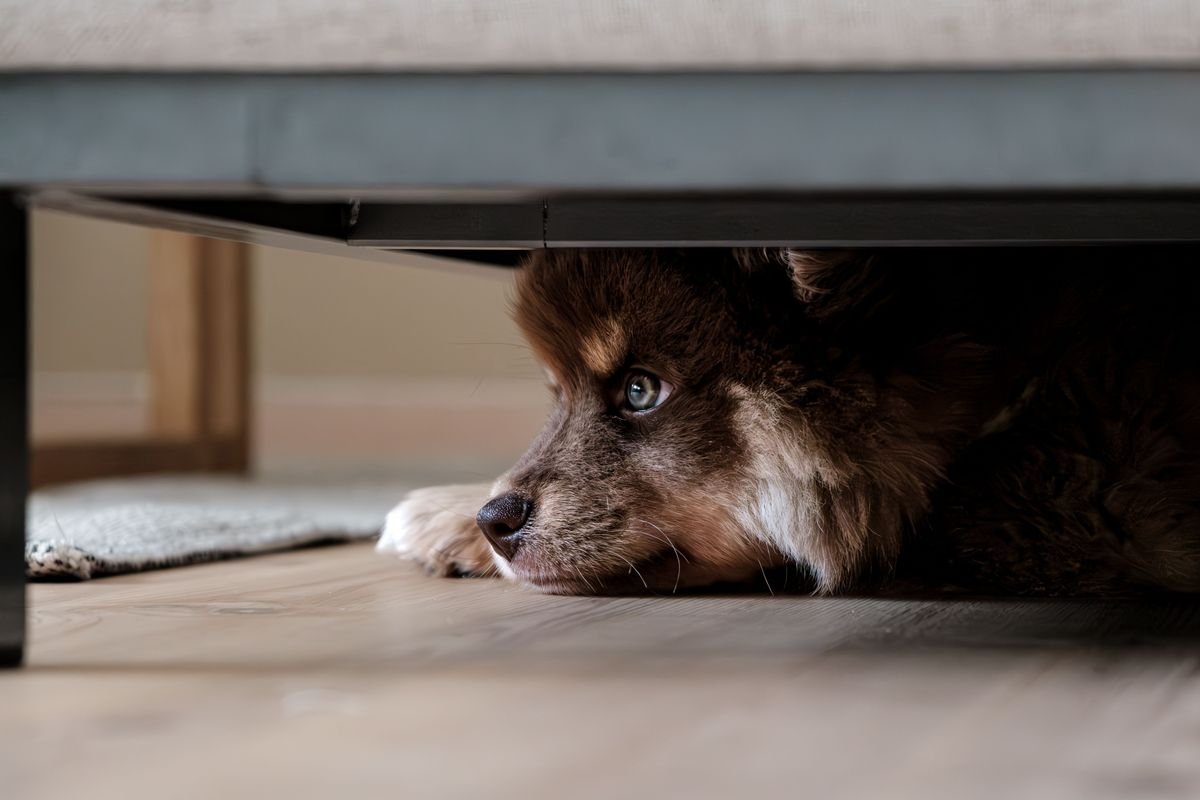
If your dog frequently retreats under the bed, you might wonder what’s driving this behavior. It’s a common sight: a furry bundle tucked away in the shadows, peeking out with wary eyes. While occasional hiding is normal, frequent or sudden changes in behavior can signal something deeper.
Understanding the reasons behind this action helps you address your dog’s needs. In most cases, it’s about seeking comfort or safety. However, it can also point to health issues or stress. This article explores the most common causes and provides practical steps to support your canine companion.
Common Reasons for Hiding Under the Bed
Dogs hide under furniture for a variety of reasons, ranging from instinctual to medical. Let’s break down the most frequent explanations.
Seeking Safety and Security
Under the bed mimics a den, a safe, enclosed space where a dog can feel protected. This is especially true for anxious dogs or those in a new environment. The bed provides a sense of enclosure on three sides, offering comfort. If your dog recently moved homes or experienced a loud noise, this hiding spot can be a natural refuge.
Fear and Anxiety Triggers
Loud noises like thunderstorms, fireworks, or construction often drive dogs to hidden corners. Separation anxiety can also cause a dog to hide when they sense you’re leaving. Even a change in routine, such as a new pet or family member, can trigger unease. Watch for other signs like trembling, panting, or drooling.
Medical Issues and Discomfort
Pain or illness can make a dog retreat to a quiet place. Conditions like arthritis, injuries, or gastrointestinal upset may lead to hiding. If your dog suddenly starts hiding for no apparent reason, consider a veterinary checkup. Other symptoms might include limping, loss of appetite, or lethargy.
Denning Instinct
Even without anxiety, some dogs simply enjoy the coziness of a den-like space. Breeds like terriers or dachshunds, originally bred to hunt in burrows, may feel particularly drawn to small, dark spaces. This behavior is normal as long as your dog seems relaxed and comes out willingly.
When to Be Concerned About Hiding Behavior
While occasional hiding is normal, certain patterns warrant attention. Pay close attention to frequency, duration, and accompanying behaviors.
Signs of Anxiety or Stress
If your dog hides frequently, especially around specific triggers, they may be suffering from chronic anxiety. Look for destructive behavior, excessive barking, or inappropriate elimination. A dog that avoids interaction or seems withdrawn might need behavioral support.
Medical Red Flags
Sudden hiding paired with symptoms like vomiting, diarrhea, stiffness, or whimpering could indicate a medical emergency. A dog that won’t come out for meals or treats generally needs a vet visit. Never assume hiding is purely behavioral without considering physical causes.
How to Help Your Dog Feel Safe
You can take several steps to reduce your dog’s need to hide under the bed. The goal is to address the underlying cause while providing comfort.
Create a Safe Space
Provide a designated safe area, like a crate with a soft bed and blanket, placed in a quiet corner. Cover the crate partially to create a den-like feel. Encourage your dog to use this space with treats and praise. This can replace the under-bed spot with a more accessible retreat.
Address Underlying Anxiety
For fear-based hiding, desensitization and counterconditioning can help. Slowly expose your dog to triggers (like recorded thunderstorms) at low levels while rewarding calm behavior. For separation anxiety, practice short departures and build up duration. Consider pheromone diffusers or calming supplements.
When to Consult a Veterinarian
If hiding persists despite your efforts, or if you notice any medical warning signs, schedule a vet check. They can rule out pain or illness and may recommend a veterinary behaviorist for severe anxiety. Medication or specialized training might be necessary in some cases.
Final Thoughts
Your dog hides under the bed for a reason, and it’s usually about feeling safe or avoiding discomfort. By observing context and watching for other signs, you can often pinpoint the cause. Whether it’s a thunderstorm, a new baby, or an aching joint, your response can make a big difference. A little patience and understanding go a long way toward helping your dog feel secure.