
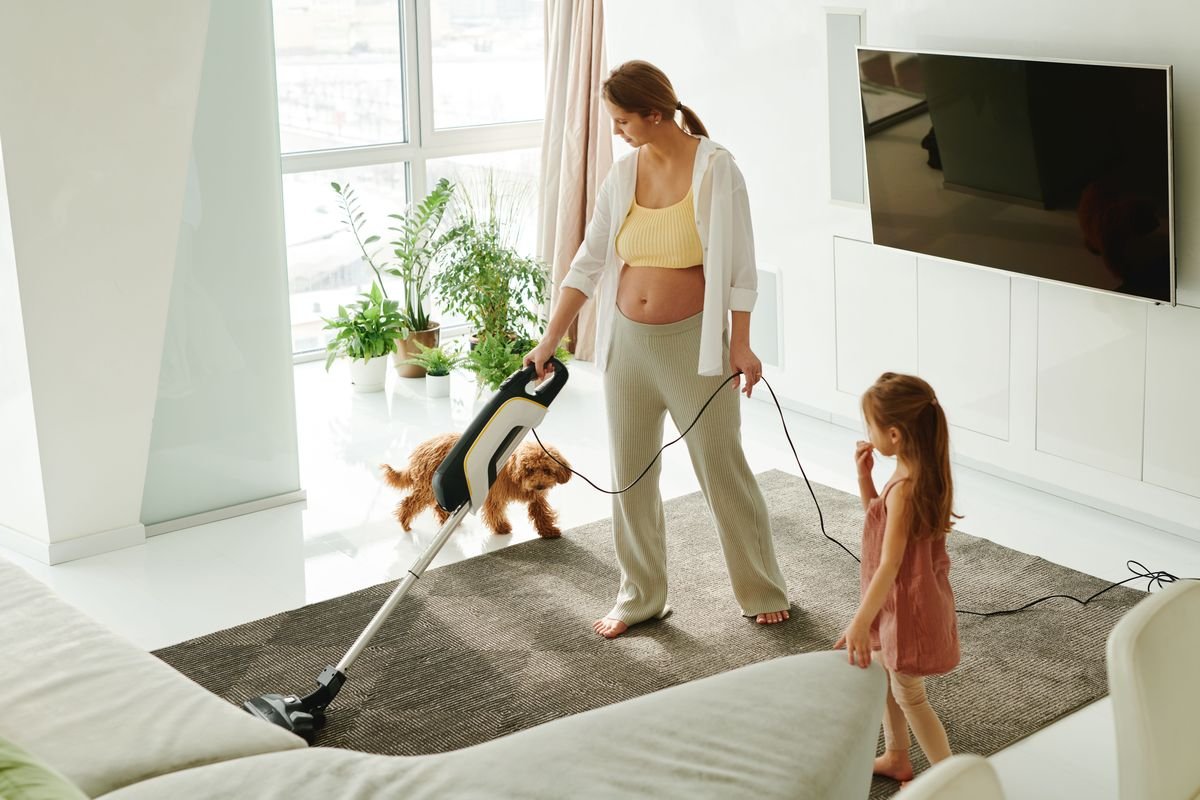
If you own a dog, you have probably experienced the chaos that erupts when you pull out the vacuum cleaner. Your calm, loving pet may suddenly turn into a barking, growling, or hiding creature. This reaction is more common than you think. Understanding why dogs hate vacuums is the first step to helping them feel safe.
The fear of vacuums is not simple stubbornness or a random quirk. It is rooted in their biology, instincts, and experiences. By exploring these causes, you can learn to manage your dog’s anxiety and even reduce their negative association with the vacuum.
The Science Behind Your Dog’s Vacuum Fear
Dogs experience the world through their senses, and vacuums attack nearly every one of them. The combination of loud noise, sudden movement, and strange smells can trigger a deep fear response. Let us break down the primary sensory reasons your dog may hate the vacuum.
Noise Sensitivity
Vacuums produce high-frequency sounds that can be painful to a dog’s ears. Dogs can hear frequencies up to 45,000 Hz, while humans top out at about 20,000 Hz. The motor and suction create a chaotic noise that may sound like a roar or a scream to your pet. This is not just annoying; it can be genuinely startling.
Additionally, the noise is unpredictable. It starts and stops, changes pitch as you move the vacuum, and seems to come from everywhere at once. For a dog, this is akin to a noisy predator or a threatening storm. Many dogs also have noise anxiety, which makes the vacuum a specific trigger.
Movement and Visual Triggers
The vacuum is a large, moving object that often comes directly toward the dog. It has a long hose that resembles a snake or tentacle, and it makes sudden, jerky movements. Dogs are wired to react to fast-moving things that could be threats. The vacuum’s unpredictable path can feel like an attack.
Furthermore, the vacuum’s appearance is strange. It has a wide mouth that sucks up the floor, which can be confusing. Some dogs may see it as a monster swallowing their territory. The combination of visual oddity and approach behavior activates their fight-or-flight response.
The Role of Instinct and Past Experiences
Beyond immediate sensory input, deeper instincts and memories shape your dog’s reaction. Evolutionary traits and previous encounters can make the vacuum a powerful fear trigger.
Evolutionary Instincts
In the wild, survival depended on detecting and escaping threats. A loud, fast-moving object that invades a dog’s space would be a clear danger. The vacuum cleaner mimics the sounds and movements of a predator or a rival. Even though your dog is domesticated, these ancient instincts remain.
Additionally, dogs are territorial. They see the home as their pack’s den. When the vacuum invades and disrupts their scent markings, it threatens their sense of security. The vacuum’s suction also changes the smell of the floor, erasing familiar markers.
Negative Associations
If your dog has had a bad experience with a vacuum before, they will remember it. Maybe they were accidentally bumped, or the noise startled them when they were sleeping. Dogs can form single-event learning, meaning one scary incident can cause a lifelong fear.
Even if you have never hurt your dog with the vacuum, they may have learned from observing other dogs or from your own body language. If you seem tense or anxious when vacuuming, your dog picks up on that. Fear is contagious across species.
Signs Your Dog Is Anxious Around the Vacuum
Before helping your dog, you need to recognize the signs of distress. Every dog shows fear differently, but common indicators include: trembling, hiding, barking or growling at the vacuum, tucking the tail, flattening ears, panting, drooling, trying to escape, or even acting hyperactive (like zoomies). Some dogs may become aggressive and snap at the vacuum. Others will freeze or try to ‘herd’ the vacuum away.
Observing your dog’s specific cues helps you choose the best approach. A dog that hides may need a safe space, while a dog that barks may benefit from desensitization exercises.
How to Help Your Dog Cope With Vacuum Anxiety
The good news is that you can reduce or even eliminate your dog’s vacuum fear. The key is patience and positive reinforcement. Never punish your dog for being scared, as that will worsen the fear. Instead, try these evidence-based techniques.
Desensitization and Counterconditioning
Desensitization means gradually exposing your dog to the vacuum at a level that does not trigger fear. Start by keeping the vacuum in a room, turned off, and reward your dog for calm behavior. Over days, move it closer or turn it on for a second while giving treats.
Counterconditioning pairs the vacuum with something positive. For example, give your dog a high-value treat every time the vacuum is on. Over time, your dog will associate the vacuum with good things rather than fear. Take small steps and always stay under your dog’s fear threshold.
Creating a Safe Space
Provide your dog with a sanctuary where they can escape the vacuum. This could be a crate with a blanket, a bedroom, or even the yard (if safe). When you vacuum, let your dog go to their safe space and give them a stuffed Kong or chew toy to focus on. Do not force them to stay near the vacuum. A safe space reduces stress and gives them control over the situation.
Professional Help
If your dog’s fear is severe, consider working with a certified professional dog trainer or a veterinary behaviorist. They can create a tailored plan and may recommend calming aids like anxiety wraps, pheromone diffusers, or medication for extreme cases. Do not attempt to force your dog to ‘face their fear’ without guidance, as that can backfire.