
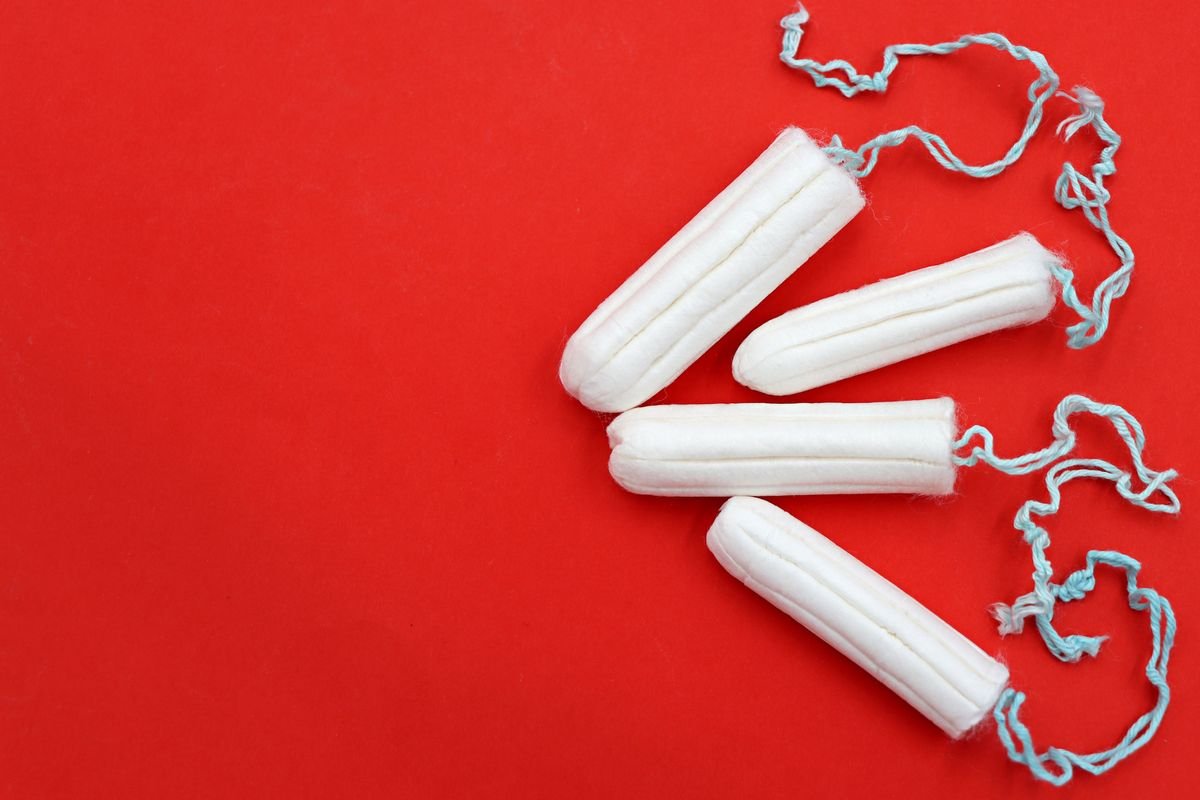
Finding your dog chewing or swallowing a used tampon is alarming and confusing. This behavior is more common than many owners realize. Dogs are naturally curious and attracted to scents and textures that humans may find unpleasant. Unfortunately, eating tampons can lead to serious health complications. Understanding why dogs do this and how to prevent it is key to keeping your pet safe.
In this article, we’ll explore the reasons behind this odd behavior, the medical dangers it poses, and practical steps you can take to stop it. Whether your dog is a repeat offender or you just want to be prepared, this guide covers everything you need to know.
Why Are Dogs Attracted to Tampons?
Dogs experience the world largely through their noses and mouths. A used tampon carries strong biological scents, including menstrual blood and pheromones. These odors are highly intriguing to dogs, who may interpret them as food or simply a novel object to investigate. The texture of tampons, especially the soft cotton and string, also appeals to a dog’s urge to chew and shred.
Some dogs develop a preference for used tampons specifically. This can be reinforced if the dog successfully chews or swallows one without immediate negative consequences. In other cases, dogs may eat tampons as a form of pica, a condition where animals crave non-food items due to nutritional deficiencies or behavioral issues.
Scent and Curiosity
Dogs have up to 300 million olfactory receptors. A used tampon carries a potent scent that signals something interesting. To a dog, it may smell like a hidden treasure or a discarded snack. This is especially true for intact male dogs, though females and neutered males can also be drawn to the scent.
Pica and Nutritional Deficiencies
Pica is the ingestion of non-food items. It can stem from a lack of certain nutrients, like iron or fiber. Menstrual blood contains iron, so a dog with an iron deficiency might be instinctively drawn to used tampons. However, most cases of tampon eating are simply opportunistic exploration rather than a medical disorder.
The Dangers of Eating Tampons
Swallowing a tampon can lead to serious health problems. The absorbent material expands when wet, potentially causing an intestinal blockage. The string can also cause issues, such as getting tangled in the digestive tract. In addition, used tampons carry bacteria that could upset your dog’s stomach or cause an infection.
Here are the primary risks:
– **Intestinal blockage**: This is the most urgent danger. A tampon can lodge in the stomach, small intestine, or colon, preventing food from passing. Symptoms include vomiting, loss of appetite, lethargy, and abdominal pain. Blockages often require surgery.
– **Toxicity**: While tampons are not inherently toxic, the blood they contain can carry harmful bacteria. Some tampons may also contain bleaching agents or fragrances that irritate the digestive tract.
– **Choking hazard**: The string or cotton can get caught in the throat, causing coughing or difficulty breathing.
What to Do If Your Dog Eats a Tampon
If you catch your dog eating a tampon or suspect one has been swallowed, act quickly but calmly. First, remove any remaining tampons from reach. Then assess the situation: Did the dog swallow the whole tampon, or just part of it? How long ago did it happen?
Contact your veterinarian immediately. They can advise you based on your dog’s size, the type of tampon, and timing. In some cases, the vet may recommend inducing vomiting if the ingestion was recent (within 30 minutes) and the tampon has not caused a blockage. However, never induce vomiting without professional guidance, as it can cause further harm.
Monitor your dog for the next 24 hours. Watch for vomiting, straining to defecate, loss of appetite, or unusual behavior. If any of these signs appear, seek emergency veterinary care. An X-ray or ultrasound may be needed to locate the tampon.
How to Prevent Your Dog from Eating Tampons
Prevention is the best medicine. Always dispose of used tampons in a lidded trash can or a container your dog cannot access. Consider using a trash can with a pedal-operated lid or keeping the bin in a cabinet with a childproof lock.
If you have a female dog in heat, be extra vigilant, as her own scent may make tampons even more tempting. Provide plenty of appropriate chew toys and mental stimulation to reduce the urge to explore forbidden items. Address any underlying pica or anxiety with your vet or a behaviorist.
Train a strong “leave it” command so you can quickly intervene if your dog picks up a tampon before swallowing it. Reward your dog for dropping items you point out. Consistency and management will keep your dog safe.
When to See a Veterinarian
You should see a vet if:
– Your dog ate a tampon and you are unsure if it passed naturally.
– Your dog shows signs of distress such as repeated vomiting, bloating, or constipation.
– Your dog is very small or the tampon was large relative to its size.
– More than one tampon was ingested.
Even if your dog seems fine, a veterinary checkup can give you peace of mind. Some dogs pass tampons without issue, but the risk of complications is real. Your vet can help you decide whether to monitor at home or bring your dog in for examination.