
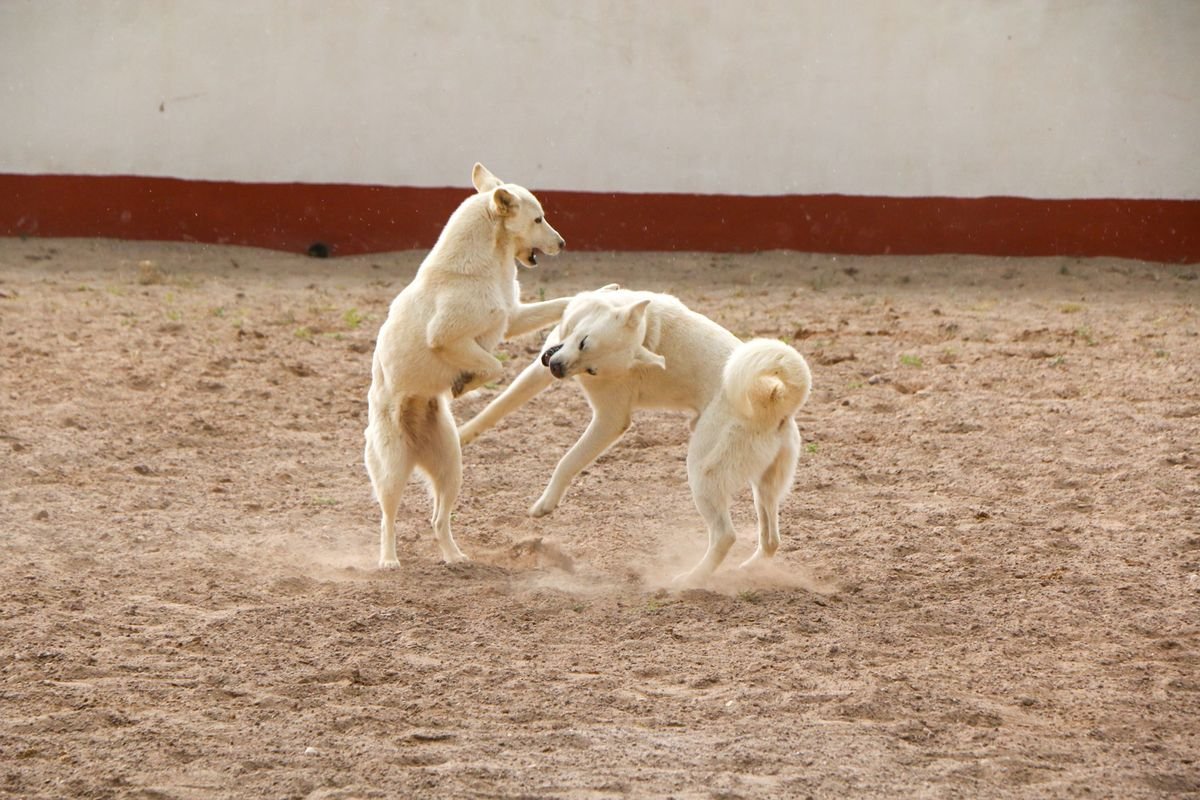
Living with multiple dogs can be joyful, but fights between household dogs are stressful and dangerous. Understanding why dogs fight and knowing how to stop them safely is essential for every multi-dog owner. This guide covers the root causes of canine conflict, immediate steps to break up a fight without getting hurt, and long-term strategies to prevent future fights.
Whether you have a new puppy and an older dog or two dogs who have lived together for years, aggressive outbursts can happen. The key is to stay calm, act decisively, and address the underlying triggers. Read on to learn how to stop dogs fighting in the same household and restore harmony.
Why Do Dogs in the Same Household Fight?
Dogs don’t fight for no reason. Common triggers include resource guarding, redirected aggression, lack of structure, and social competition. Resource guarding happens when a dog protects food, toys, beds, or even human attention. Redirected aggression occurs when a dog is aroused by an external stimulus (like a stranger at the door) and turns on a housemate. Competition for space or status, especially among dogs of similar age and drive, can also lead to conflict.
Identifying your dogs’ specific triggers is the first step to stopping fights. Keep a log of when fights occur: time of day, location, what was happening before. Patterns often emerge. For example, fights may happen near the food bowl, when you come home, or when high-value toys are present.
Immediate Steps to Safely Break Up a Dog Fight
Never reach into a fight with your hands. You will get bitten. Instead, use one of these safe methods to separate the dogs.
**Wheelbarrow Method:** Grab each dog by the hind legs (like a wheelbarrow) and pull them apart. This keeps their teeth away from you. Walk backward to separate them entirely.
**Distraction Method:** Use a loud noise, such as an air horn or a metal bowl banged together, to startle them. Toss a blanket or jacket over their heads to disorient them and break their focus.
**Water Spray:** Spray a strong stream of water from a hose or a squirt bottle at their faces. This can stop a fight instantly.
Once separated, keep the dogs in separate rooms with doors closed until they are calm. Check both dogs for injuries, then manage their environment to prevent a repeat. Do not punish either dog, as punishment often increases anxiety and aggression.
Long-Term Prevention and Management
Prevention is the most effective way to stop dogs from fighting. Management means controlling the environment to avoid known triggers.
**Separate High-Value Resources:** Feed dogs in separate rooms or crates. Remove toys and bones when you cannot supervise. If resource guarding is a problem, trade items for treats rather than taking them away.
**Rotate Access:** Give each dog one-on-one time with you. This reduces competition for your attention and gives each dog a break from the other. If you have three dogs, consider pairing them in different combinations during walks and play.
**Provide Separate Safe Zones:** Each dog should have its own bed or crate in a quiet area. Never force dogs to share a space when they are stressed. Use baby gates to create separate areas in your home.
**Supervise Interactions:** When dogs are together, watch for subtle signs of stress such as lip licking, turning away, stiff body language, or hard stares. Interrupt potential conflict before it escalates. A calm, structured household with predictable routines reduces overall tension.
Training to Build Harmony
Training teaches dogs to associate each other with good things and reinforces your role as the leader. Consistent obedience training helps you control situations.
**Get Both Dogs in a Calm State:** Work on basic commands like ‘sit’, ‘down’, and ‘stay’ with both dogs present, starting at a distance where they are relaxed. Reward calm behavior around each other.
**Counter-Conditioning and Desensitization:** Systematically expose dogs to triggers at a low intensity while rewarding calmness. For example, if they fight over you, have one dog on a mat at a distance while you pet the other, and reward the mat-staying dog. Gradually decrease distance.
**Parallel Walking:** Walk both dogs together with one person per dog, or use a double leash setup. Walk in the same direction at a steady pace, keeping enough distance that both dogs are calm. This builds positive associations and teaches them to work together.
**Group Sits and Stays:** Practice group training sessions where both dogs perform commands for treats. This reinforces that calm cooperation earns rewards. Never allow pushy or demanding behavior; require both dogs to wait politely before getting treats, toys, or access to doors.
When to Seek Professional Help
If fights are frequent, severe, or result in injuries, consult a professional. A certified dog behavior consultant or a veterinary behaviorist can assess your dogs and create a customized behavior modification plan.
Look for signs that you need expert intervention: fights escalate quickly, one dog seems to target the other relentlessly, or you are afraid of being bitten. In some cases, rehoming one dog may be the safest option if the quality of life for all is poor.
A professional can also rule out medical issues that may contribute to aggression, such as pain, thyroid problems, or cognitive decline. Never use outdated methods like alpha rolls or shock collars, as these worsen aggression.
With patience, management, and training, most household dog fights can be stopped or dramatically reduced. A peaceful home is possible when you understand your dogs’ needs and lead with calm, consistent guidance.