
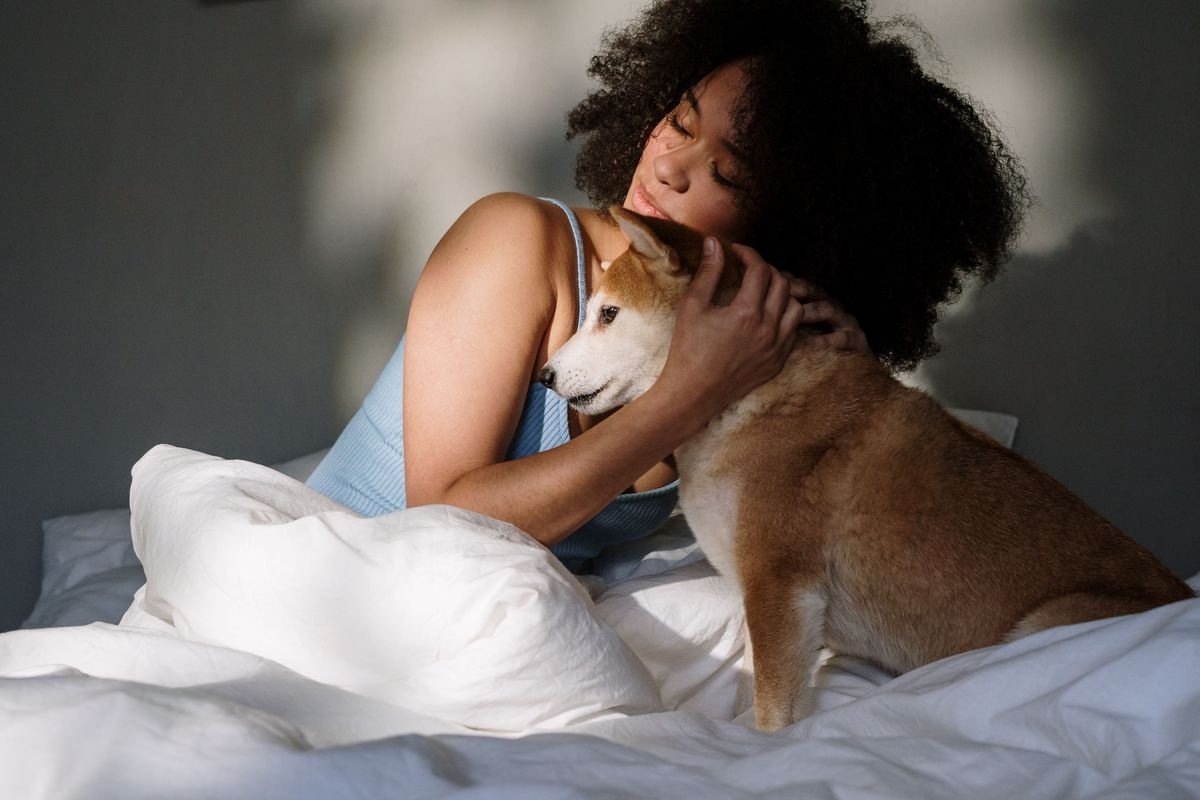
If you’ve ever noticed your dog acting a little differently around you during that time of the month, you’re not alone. Many dog owners report that their pets seem to know when they are on their period, showing signs of increased attention, sniffing, or clinginess. But is this just coincidence, or can dogs really detect menstruation?
The answer lies in your dog’s incredible sense of smell. Dogs have been known to sniff out medical conditions like cancer, low blood sugar, and even seizures. Menstruation involves hormonal shifts that alter your body odor. So, it’s very possible your dog can pick up on these changes. Let’s explore the science behind this canine superpower and what it means for the bond between you and your furry friend.
The Remarkable Canine Sense of Smell
A dog’s nose is a powerful tool. With up to 300 million olfactory receptors compared to a human’s 5 million, dogs can detect scents in parts per trillion. They also have a specialized organ called the vomeronasal organ (Jacobson’s organ) that allows them to pick up on pheromones and other chemical signals.
This extraordinary olfactory ability means your dog can perceive subtle changes in your body chemistry that you might not even notice. Every human has a unique scent signature, and that signature shifts with hormone levels. Your dog, being the scent detective it is, will likely notice these changes.
Hormonal Changes During Menstruation
Throughout your menstrual cycle, your body produces varying levels of estrogen and progesterone. Right before your period, both hormones drop sharply. These hormonal fluctuations affect your body odor, sweat composition, and even your overall scent.
Additionally, during menstruation, you may also experience changes in vaginal pH and discharge, which further alter your scent profile. While these changes might be undetectable to other humans, your dog’s nose is well equipped to pick up on them.
Can Dogs Actually Detect Menstruation?
Anecdotal evidence strongly suggests that dogs can detect when their owners are on their period. Many dog owners report increased sniffing of the genital area, more cuddling, or protective behaviors during that time. But what does science say?
While there is limited direct research on dogs and menstruation detection, studies on dogs detecting ovulation in cows and humans show that dogs can identify hormonal changes. For instance, dogs have been trained to sniff out changes in a woman’s scent before ovulation. Given that dogs can also detect stress, fear, and even COVID-19, it’s logical that they can sense the hormonal shifts of your period.
Veterinarians and animal behaviorists generally agree that dogs can smell the difference, even if they don’t understand what it means. Your dog simply recognizes that your scent has changed, and that may prompt a behavioral response.
Signs Your Dog Knows You’re On Your Period
If you suspect your dog knows when you’re menstruating, look for these common behaviors. Not all dogs react the same way, but many show noticeable changes:
The most obvious sign is increased sniffing, especially around your crotch or underwear. Your dog may also be more physically affectionate, wanting to sit on your lap or press against you. Some dogs become more protective, staying close and even growling at others who approach. Others may seem anxious or restless, following you from room to room. A few dogs may even try to lick your legs or underwear area. These behaviors are your dog’s way of responding to the unusual scent and perhaps sensing your discomfort or mood changes.
Why Do Dogs React This Way?
Dogs are highly attuned to their owners’ emotional and physical states. They can pick up on subtle cues like body language, tone of voice, and scent. When your scent changes, your dog may become curious or concerned. Additionally, if you experience cramps or fatigue, your dog might sense that you’re not feeling well and respond with comfort or vigilance.
Some experts suggest that dogs may even be trying to help, as they would with a sick pack member. Licking can be a soothing behavior, and staying close offers reassurance. So your dog’s reaction is not just about the scent; it’s about the bond you share.
What to Do If Your Dog Acts Differently
If your dog’s behavior during your period is not bothersome, there’s no need to do anything. Enjoy the extra cuddles if you like. However, if your dog becomes overly clingy, anxious, or protective to the point of aggression, you may want to take steps to keep both of you comfortable.
Provide a safe space for your dog, such as a cozy bed in another room, and give it chew toys or puzzles to redirect its focus. Avoid punishing your dog for its behavior; it’s just following its instincts. If your dog is guarding you, gently discourage that by having another family member calmly approach you while you reward your dog for relaxed behavior.
In rare cases where your dog shows aggression, consult a professional dog trainer or behaviorist. They can help you manage the situation in a positive way.
The Bottom Line
So, do dogs know when you’re on your period? Yes, they likely do. Thanks to their incredible sense of smell, they can detect the hormonal changes that accompany menstruation. How they react varies from dog to dog, but common responses include sniffing, clinginess, and protectiveness. This ability is just one more example of how deeply connected dogs are to their human companions.
Next time you’re on your period and your dog acts a little differently, you can appreciate that your furry friend is simply responding to its powerful nose and its caring nature. Embrace the extra companionship, and remember that your dog is always looking out for you, even in ways you might not expect.