
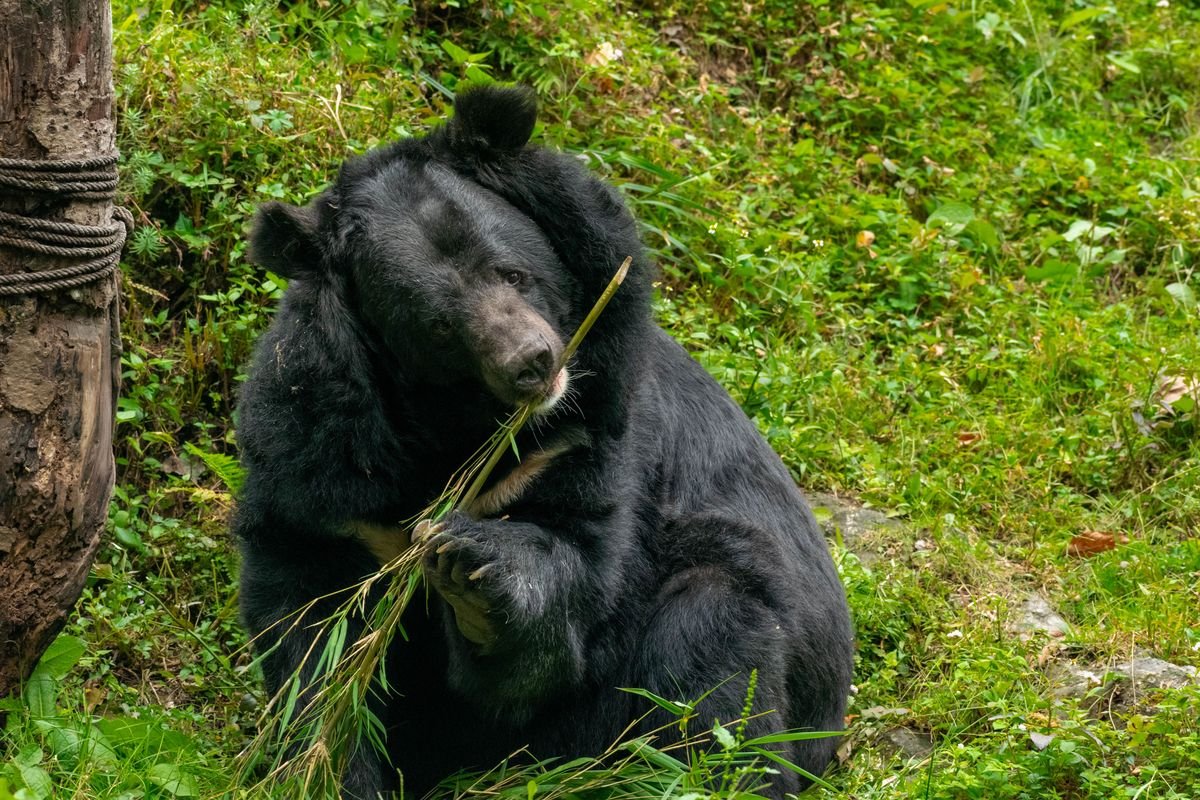
The question ‘do bears eat dogs’ is one that many hikers, campers, and rural pet owners ask with genuine concern. While bears are powerful omnivores with a varied diet, dogs are not a typical prey item for them. However, under certain circumstances, a bear may attack and even kill a dog. Understanding bear behavior, the species involved, and factors that increase risk can help you keep your furry companion safe.
Bears generally avoid confrontation and prefer to eat plants, berries, insects, and small mammals. But a bear that feels threatened, is protecting its cubs or a food source, or is extremely hungry may view a dog as a threat or a potential meal. The outcome depends on the size and aggression of both the bear and the dog, as well as the specific situation.
Bear Diet and Natural Prey
Bears are opportunistic omnivores. Their diet varies by season and region, but typically consists of:
– Vegetation: grasses, berries, nuts, roots, and fruits.
– Insects: ants, bees, and their larvae.
– Fish: especially salmon during spawning runs.
– Small mammals: rodents, rabbits, and carrion.
– Larger prey: deer, elk, or moose calves when available.
Dogs do not naturally appear on this list. Bears do not hunt dogs as a primary food source. Most interactions between bears and dogs are defensive rather than predatory. Bears have evolved to avoid unnecessary risks, and a dog, especially one that barks or appears aggressive, can be perceived as a threat.
Which Bear Species Are Most Likely to Attack Dogs?
Bear behavior varies by species. In North America, the two most common species are black bears and grizzly (brown) bears. Black bears are generally more timid and likely to flee from a dog. Grizzly bears are more aggressive, especially when surprised or near cubs or food. In Eurasia, brown bears (same species as grizzlies) and polar bears pose threats. Polar bears are apex predators and may actively hunt dogs, especially in Arctic regions where food is scarce.
Black bears rarely attack dogs, but when they do, it is usually because the dog is off-leash and chasing the bear, triggering a defensive response. Grizzly bears are more dangerous; they have been known to charge and kill dogs that get too close. In Alaska and Canada, grizzly attacks on dogs during hunting or hiking incidents occur regularly. Polar bears, being more predatory, have been documented preying on sled dogs and other canines when opportunity arises.
Why Might a Bear Attack a Dog?
Categorize the reasons into three main scenarios: defensive, predatory, and food competition.
Defensive attacks are the most common. A mother bear with cubs is extremely protective. If a dog wanders between her and her cubs, she may attack. Similarly, a bear startled at close range by a dog may lash out. The dog’s barking and movement can be interpreted as a threat.
Predatory attacks are rare but do occur. A bear that is starving or has learned to associate dogs with food (e.g., in areas where dogs are fed outdoors) may see a small dog as prey. Predatory behavior is more likely with larger bear species like grizzlies and polar bears.
Food competition can also trigger aggression. If a bear is feeding on a carcass or fish and a dog approaches, the bear may defend its meal. This is common in areas with overlapping bear and dog territories.
Does the Size and Breed of the Dog Matter?
Yes, dog size influences risk. Small dogs (under 25 pounds) are more vulnerable to being viewed as prey by any bear species. Their size makes them a manageable target. Large dogs may be seen as threats rather than prey. A big, aggressive dog can intimidate a black bear, but may still challenge a grizzly, leading to a fight.
Breed temperament also matters. Dogs that bark and stand their ground may deter a bear or provoke an attack. Dogs that flee can trigger a chase response. In general, a calm, well-behaved dog that stays close to its owner is less likely to provoke a bear than a dog that runs and barks.
How to Protect Your Dog from Bears
When hiking or camping in bear country, take these precautions:
– Keep your dog on a leash. This prevents your dog from chasing or surprising a bear.
– Carry bear spray and know how to use it. It is effective against both bears and aggressive dogs.
– Make noise to avoid surprising bears. Talk, clap, or use a bear bell.
– Avoid hiking at dawn, dusk, or night when bears are most active.
– Keep food and trash securely stored. Do not leave pet food outside.
– Train your dog to come when called and to stay close.
– If you encounter a bear, stay calm. Do not run. Back away slowly while keeping your dog under control.
– If a bear charges, use bear spray. Do not try to protect your dog by letting it off leash; that can escalate the situation.
What to Do If a Bear Attacks Your Dog
If a bear attacks your dog, your priority should be your own safety. Do not physically intervene unless absolutely necessary. Use bear spray on the bear if possible. If the bear is attacking your dog, it may be defending itself or its cubs. The best course is to make yourself appear large and loud to scare the bear away. In a predatory attack, the bear may be more determined; in that case, fighting back is warranted. After the incident, seek veterinary care for your dog immediately, even if injuries seem minor.
Real Incidents: Bears Killing Dogs
While not common, there are documented cases. In 2020, a grizzly bear killed a small dog in Montana when the dog wandered off leash. In Alaska, polar bears have killed sled dogs. In Canada, a black bear killed a puppy in a backyard. These incidents often occur when dogs are left unattended or off leash in bear habitat. Understanding that bears are wild animals and that any interaction carries risk is key to prevention.
Conclusion: Should You Worry?
The risk of a bear eating your dog is relatively low in most areas, but not zero. Respecting bear country and taking sensible precautions greatly reduces that risk. Dogs are not a typical food source for bears, but defensive or rare predatory attacks can happen. By keeping your dog leashed, staying aware of your surroundings, and carrying deterrents, you can enjoy the outdoors with your pet with peace of mind.