
Ultrasonic pest repellers emit high-frequency sound waves to deter rodents and insects. Many homeowners use them as a chemical-free alternative to traps and poisons. But if you share your home with a dog, you might wonder whether these devices pose any risk to your furry friend.
The short answer is that most ultrasonic repellers are considered safe for dogs when used correctly. However, there are important nuances regarding their frequency range, your dog’s hearing sensitivity, and potential behavioral effects. This article explores the science behind these devices and offers practical advice for pet owners.
How Ultrasonic Pest Repellers Work
Ultrasonic pest repellers produce sound waves at frequencies above 20 kHz, which is beyond the range of human hearing. Most rodents and many insects can hear these high-pitched sounds, which are intended to irritate or stress them, driving them away from the area.
These devices plug into wall outlets and emit sound in pulses or continuously. The frequencies typically range from 20 kHz to 65 kHz. While effective for some pests, their efficacy is debated, and results vary depending on the environment and the pest species.
Potential Risks to Dogs
Dogs have a much wider hearing range than humans, typically from 40 Hz to 60 kHz. This means they can hear the ultrasonic frequencies emitted by these repellers. However, not all dogs react the same way.
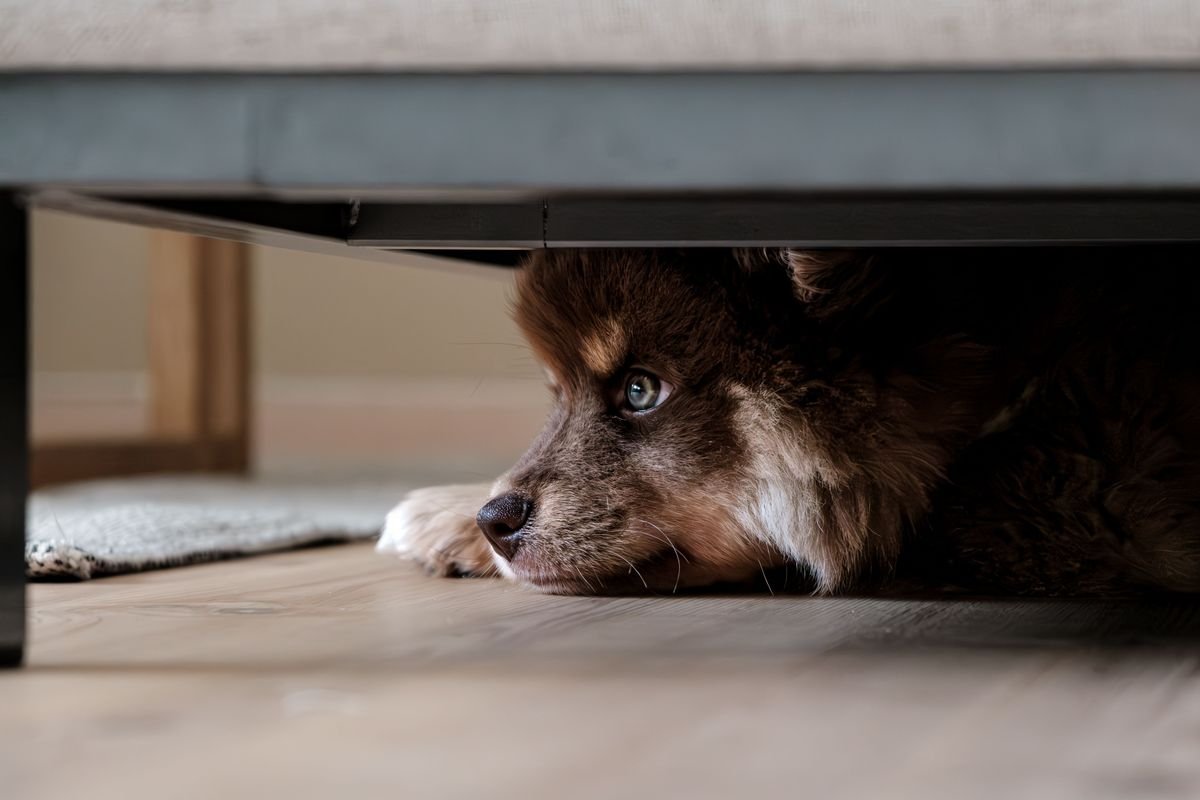
For most dogs, the sound is simply a background noise that they ignore. But some dogs may find it annoying or even stressful. Signs of discomfort include whining, barking, hiding, or attempting to leave the room. Prolonged exposure to high-intensity ultrasonic sound could potentially damage a dog’s hearing, but this is rare with standard household devices.
Another concern is that the sound may interfere with a dog’s ability to hear important environmental cues, such as your commands or approaching dangers. However, the low volume of most repellers makes this unlikely.
What the Research Says
Scientific studies on ultrasonic pest repellers and dogs are limited. A 2018 study published in ‘Applied Animal Behaviour Science’ tested a commercial ultrasonic device on dogs in a controlled setting. The researchers found that while dogs could hear the sound, they showed minimal behavioral changes. The dogs did not exhibit signs of distress or discomfort during short-term exposure.
Another study from the University of Essex examined the effects of ultrasonic noise on farm dogs. It concluded that dogs did not experience hearing loss or chronic stress from devices used in barns. However, the authors noted that individual sensitivity varies, and dogs with pre-existing anxiety might be more affected.
Overall, the consensus is that typical household ultrasonic repellers pose low risk to dogs. But more long-term research is needed, especially regarding puppies and senior dogs with age-related hearing loss.
Comparing Safety for Different Pets
Cats have a hearing range similar to dogs, up to about 64 kHz. They may also hear the ultrasound, but they often seem less bothered by it. Small mammals like hamsters, guinea pigs, and rabbits can hear ultrasonic frequencies and may become stressed. Birds are particularly sensitive and can be harmed by loud, high-pitched sounds.
For dogs, the risk depends on the individual animal’s temperament, the frequency used, and the volume. Most devices emit sound at levels that are not harmful even for sensitive ears. However, if you have multiple pets, it is wise to observe all of them for any signs of distress.
How to Use Ultrasonic Repellers Safely Around Dogs
Choose a device that operates at a frequency above 25 kHz, as dogs are less sensitive to higher frequencies. Some repellers allow you to adjust the frequency or volume. Start by placing the device in an area where your dog spends little time, and monitor their reaction over a few days.
If your dog shows any signs of discomfort, discontinue use or move the device to a room your dog does not access. Never point the device directly at your dog. Ensure the device is from a reputable brand that follows safety guidelines for pets.
Final Thoughts
Ultrasonic pest repellers are generally safe for dogs when used responsibly. The risk of hearing damage or significant stress is low for most pets. However, individual dogs may react differently, so it is important to monitor your pet’s behavior after installation.
If you have any doubts about how your dog will respond, consult your veterinarian. They can offer personalized advice based on your dog’s age, health, and temperament. By taking a cautious approach, you can use ultrasonic repellers effectively while keeping your canine companion safe and comfortable.