
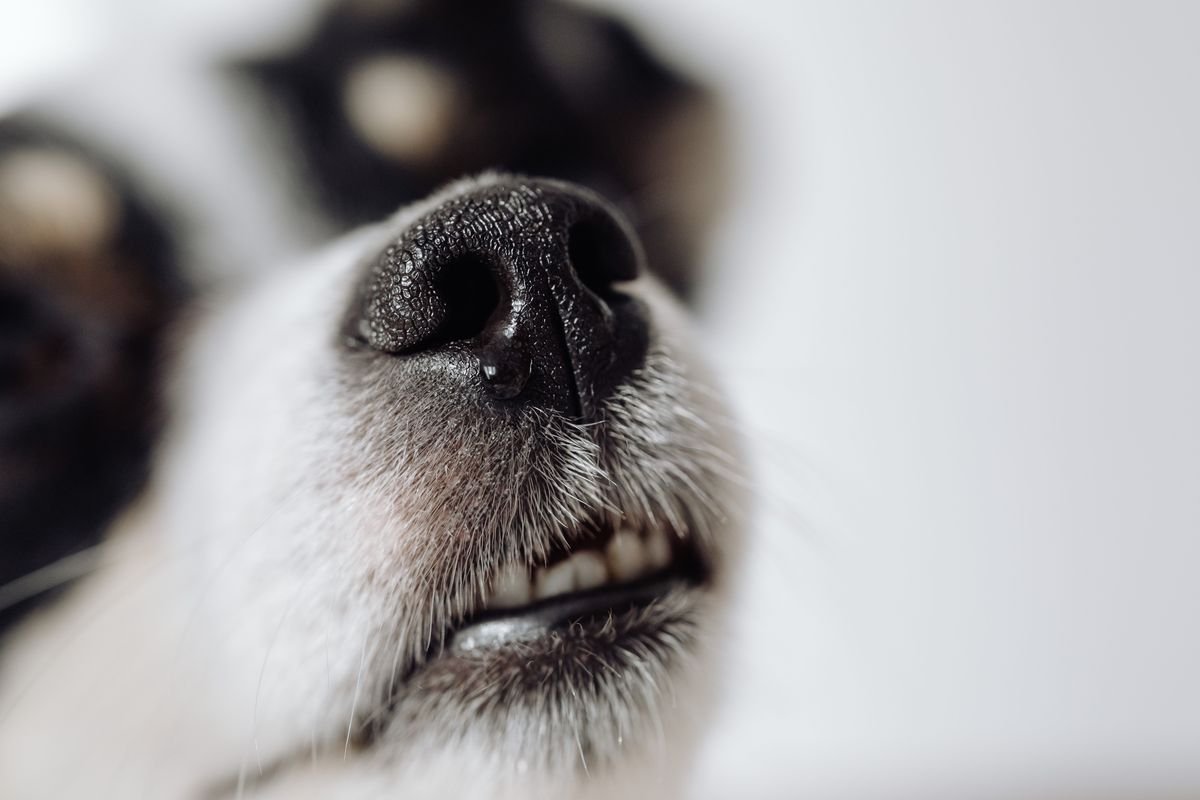
Dog owners often marvel at their pet’s ability to sniff out food, people, or even buried objects. But what happens when a dog tries to smell something underwater? The short answer is that dogs cannot smell underwater in the same way they do in air. However, their noses are remarkably adaptable, and they can still detect scents that are present in or around water. This article explores the fascinating science of canine olfaction in aquatic environments, how dogs use their noses near water, and whether they can be trained to follow underwater scent trails.
How Dogs Smell: The Basics
To understand whether dogs can smell underwater, it helps to first know how their noses work in air. Dogs have up to 300 million olfactory receptors, compared to about 6 million in humans. A special structure called the olfactory epithelium traps odor molecules, and the brain region dedicated to processing smells is about 40 times larger in dogs than in humans.
When a dog sniffs, it inhales air through the nostrils, which then passes over the turbinate bones covered in olfactory epithelium. Odor molecules dissolve in the mucus layer on these bones, triggering receptors that send signals to the brain. This process requires air movement and the ability to inhale odor particles. Underwater, air cannot flow through the nostrils in the same way, which presents a challenge for scent detection.
Can Dogs Actually Smell Underwater?
The direct answer is no: dogs cannot smell underwater while their nose is submerged. When a dog’s nostrils are full of water, they cannot inhale air to carry odor molecules to the olfactory receptors. However, dogs can detect scents that are dissolved in water by using a different mechanism.
The Science of Scent Detection in Water
Odor molecules that are soluble in water can dissolve into the water column. For example, a piece of meat dropped into a pond will release chemicals into the surrounding water. Dogs have been observed to sniff very close to the water surface or even put their nose just beneath the surface and exhale, creating bubbles. This action might help release trapped odor molecules into the air, allowing the dog to detect them. In essence, the dog is not smelling the water itself but rather the air that has been in contact with the water.
Surface Sniffing vs. Underwater Olfaction
When a dog encounters water with a scent, it will often perform ‘surface sniffing’: rapidly inhaling air very close to the water’s surface. This allows odor molecules that have evaporated from the water to be captured. Some dogs may also lap up water and then sniff the air after swallowing, as the water can release volatile compounds when it mixes with saliva. True underwater olfaction, where a submerged nose detects odors, is not possible because the nostrils are blocked by water and cannot inhale.
How Dogs Use Their Nose in and Around Water
Dogs that work in water, such as search and rescue dogs or hunting retrievers, have learned to adapt. They often paddle near the water surface and take frequent breaths that allow them to sample air above the water. If a dog needs to locate a submerged object, it may rely on sight or disturbance cues rather than smell alone.
Some research suggests that dogs can follow a scent trail that passes through water. For instance, if a person walks through a puddle and then continues on dry land, the dog can pick up the scent from the wet footprints. The water may actually help preserve the scent longer in some cases, because moisture can stabilize certain odor molecules.
Training Dogs for Water Scent Work
While dogs cannot smell underwater directly, they can be trained to indicate the presence of a scent in a water environment. Police and search dogs have been taught to find evidence like firearms or drugs that have been dumped in water. Training involves rewarding the dog for showing interest in a water source where a hidden scent is present. Over time, the dog learns to associate the water with a target odor and will signal its handler, often by staring, barking, or pawing at the water.
Handler techniques include using floating scent sources or placing bait close to the water surface so the dog can catch the airborne scent. As the dog becomes proficient, the scent source can be submerged just below the surface, but the dog still relies on surface evaporation to detect it.
Limitations and Myths
A common myth is that dogs ‘smell through water’ like they do through air. This is not accurate. Dogs cannot breathe underwater, so they cannot inhale scent molecules while submerged. However, their keen sense of smell allows them to detect minute traces of odor that have escaped into the air. Another limitation is that water movement can disperse or dilute scents rapidly, making detection harder in moving water compared to still water.
Temperature also plays a role: warmer water releases more volatile compounds, making scents easier to detect. Cold water may trap odors, making it more challenging. Overall, while dogs have impressive olfactory abilities, the underwater realm poses significant restrictions.