
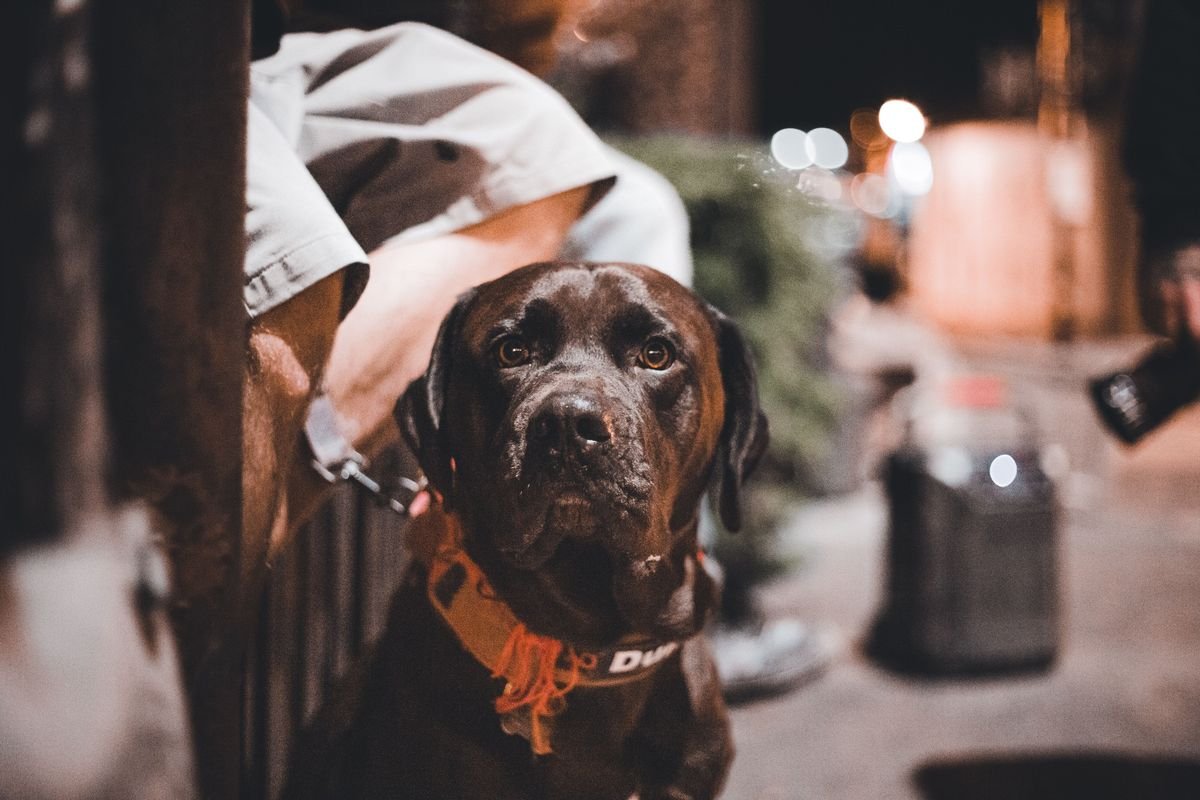
Many dog owners wonder if their furry companions can be afraid of the dark. After all, dogs are often seen as brave and loyal protectors. However, dogs can experience fear or anxiety in low-light situations, though it may not be exactly the same as human fear of the dark. Understanding how dogs perceive darkness and recognizing signs of distress can help you provide comfort and support.
While dogs have superior night vision compared to humans, they still rely on other senses when light is limited. Changes in their environment, past negative experiences, or age-related vision loss can trigger anxiety. This article explores whether dogs can genuinely fear the dark, what causes it, and how you can help your pet feel more secure during nighttime hours.
How Dogs See in the Dark
Dogs are crepuscular animals, meaning they are most active during dawn and dusk. Their eyes have evolved to function well in low light. A dog’s retina contains many rod cells, which are sensitive to dim light, and a reflective layer called the tapetum lucidum that enhances night vision. As a result, dogs see much better than humans in the dark.
However, their vision is not perfect. Dogs have fewer cone cells, so they see fewer colors and less detail. In complete darkness, even a dog’s enhanced vision is limited. They rely heavily on hearing, smell, and memory to navigate. If a dog suddenly cannot see familiar surroundings, they may become disoriented or anxious.
Signs Your Dog May Be Afraid of the Dark
If your dog is afraid of the dark, they may exhibit specific behaviors when lights are off or in dim areas. Common signs include:
– Reluctance to enter a dark room or go outside at night
– Whining, barking, or howling when left in darkness
– Pacing, trembling, or hiding
– Clinging to you or seeking constant reassurance
– Excessive panting or drooling
– Destructive behavior like scratching doors
These signs often appear only in low-light conditions and may indicate that darkness triggers anxiety.
Common Causes of Fear of the Dark in Dogs
Several factors can contribute to a dog’s fear of darkness. Understanding the root cause is key to addressing it effectively.
How to Help a Dog Afraid of the Dark
There are several gentle and effective ways to help your dog overcome their fear of the dark. Start with these strategies:
When to Seek Professional Help
If your dog’s fear of the dark is severe or does not improve with home interventions, consider consulting a professional. A veterinarian can rule out medical issues like vision loss or pain. A certified animal behaviorist can design a tailored behavior modification plan.
In some cases, anti-anxiety medication may be recommended alongside behavior therapy. Never punish your dog for being afraid, as this can worsen anxiety. With patience and the right approach, most dogs can learn to feel safe in the dark.