
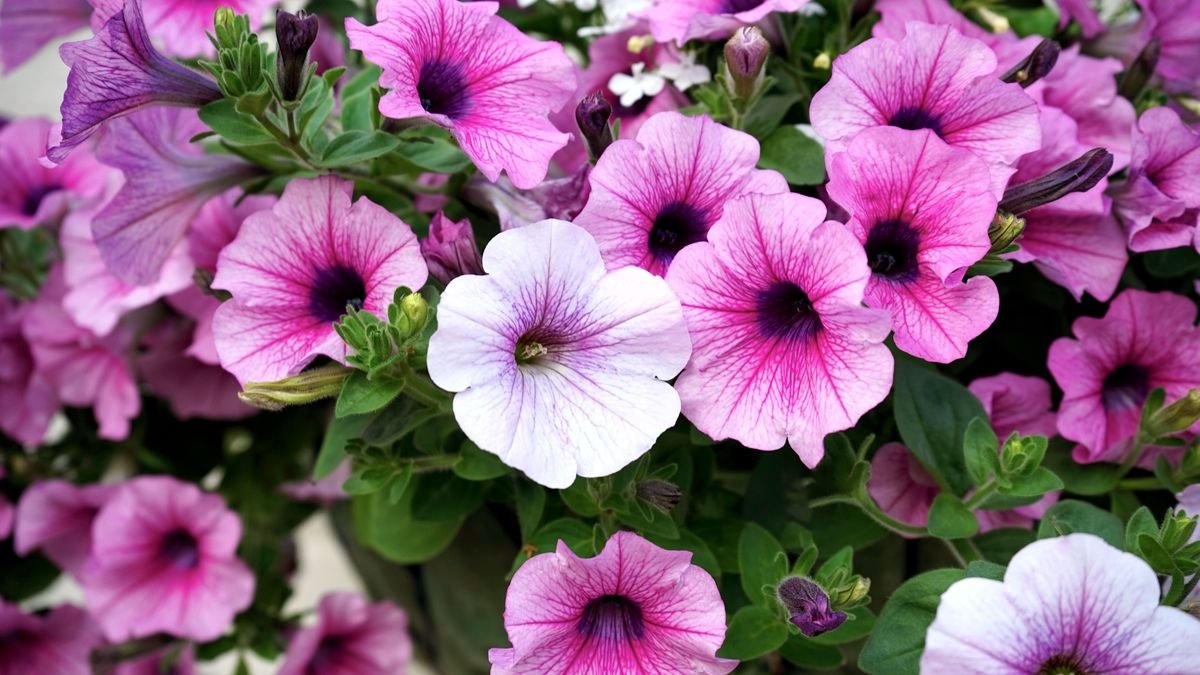
Petunias are a popular choice for gardeners thanks to their vibrant colors and easy care. But if you share your home with a curious dog, you might wonder: are petunias safe for dogs? The good news is that petunias are considered non-toxic to dogs by the ASPCA and other veterinary sources. This means that if your dog takes a nibble of a petunia leaf or flower, it is unlikely to cause serious harm.
However, non-toxic does not mean completely risk-free. Any plant material, even if safe, can cause mild digestive upset in some dogs. In this article, we will explore the safety of petunias for dogs, what to do if your dog eats one, and how to create a dog-friendly garden.
Are Petunias Toxic to Dogs?
According to the American Society for the Prevention of Cruelty to Animals (ASPCA), petunias are listed as non-toxic to dogs, cats, and horses. This classification means that petunias do not contain known toxins that would cause poisoning or severe health issues. Unlike some common garden plants like lilies, sago palms, or azaleas, petunias are generally safe for pets.
That said, non-toxic does not mean edible. Petunias are not meant to be a food source for your dog. The plant itself is not poisonous, but ingesting large amounts could still lead to minor gastrointestinal discomfort. In most cases, a dog that eats a few petunia petals or leaves will not show any adverse effects.
What to Do If Your Dog Eats a Petunia
If you catch your dog snacking on your petunias, stay calm. Since petunias are non-toxic, there is usually no need for emergency treatment. Remove the plant material from your dog’s mouth if possible. Offer fresh water to help wash down any pieces.
Monitor your dog for the next few hours. Watch for signs of mild stomach upset such as drooling, vomiting, or diarrhea. These symptoms are typically mild and resolve on their own. If symptoms persist or worsen, or if your dog has a pre-existing health condition, contact your veterinarian for advice. It is also a good idea to have the ASPCA Animal Poison Control Center number (888-426-4435) saved in your phone for any plant-related concerns.
Common Symptoms to Watch For
Although petunias are non-toxic, some dogs may experience mild reactions after ingestion. These symptoms are usually due to the novelty of the plant material rather than a toxin. Common signs include:
– Drooling or excessive salivation
– Vomiting (usually once or twice)
– Diarrhea (may be soft or watery)
– Loss of appetite (temporary)
– Mild lethargy
These symptoms generally appear within a few hours and last less than 24 hours. If your dog shows more severe signs like difficulty breathing, swelling, or seizures, the cause is likely something else, and you should seek veterinary care immediately.
Why Some Plants Are Harmful and Petunias Are Safe
Plants can be toxic to dogs due to specific chemical compounds such as alkaloids, glycosides, or oxalates. For example, lilies contain compounds that cause kidney failure in cats, and sago palms have cycasin that leads to liver damage. Petunias, on the other hand, do not produce these dangerous substances. Their cellular structure contains compounds that are harmless to mammals.
It is important to note that even safe plants can be treated with pesticides, herbicides, or fertilizers that are toxic. If you use chemical treatments on your petunias, keep your dog away until the products have dried or been absorbed. Always read labels and choose pet-safe gardening products.
Dog-Friendly Alternatives to Petunias
If you want to be extra cautious or simply add more variety to your garden, here are several other pet-safe flowering plants:
– Marigolds: Bright and cheerful, marigolds are non-toxic and can even deter some pests.
– Snapdragons: These tall, colorful spikes are safe for dogs and add vertical interest.
– Sunflowers: Large and fun, sunflowers are completely non-toxic.
– Zinnias: Easy to grow and available in many colors, zinnias are dog-friendly.
– Roses: While the thorns can be a hazard, the petals and leaves are not toxic.
Always double-check with a reliable source like the ASPCA’s list of toxic and non-toxic plants before adding new plants to your garden.
Frequently Asked Questions About Petunias and Dogs
Conclusion
Petunias are a beautiful, low-maintenance flower that poses no toxic threat to your dog. With proper gardening practices and a bit of supervision, you can enjoy a colorful garden without worrying about your furry friend’s safety. Always keep your vet’s number handy and use pet-safe products for peace of mind. Happy gardening!