
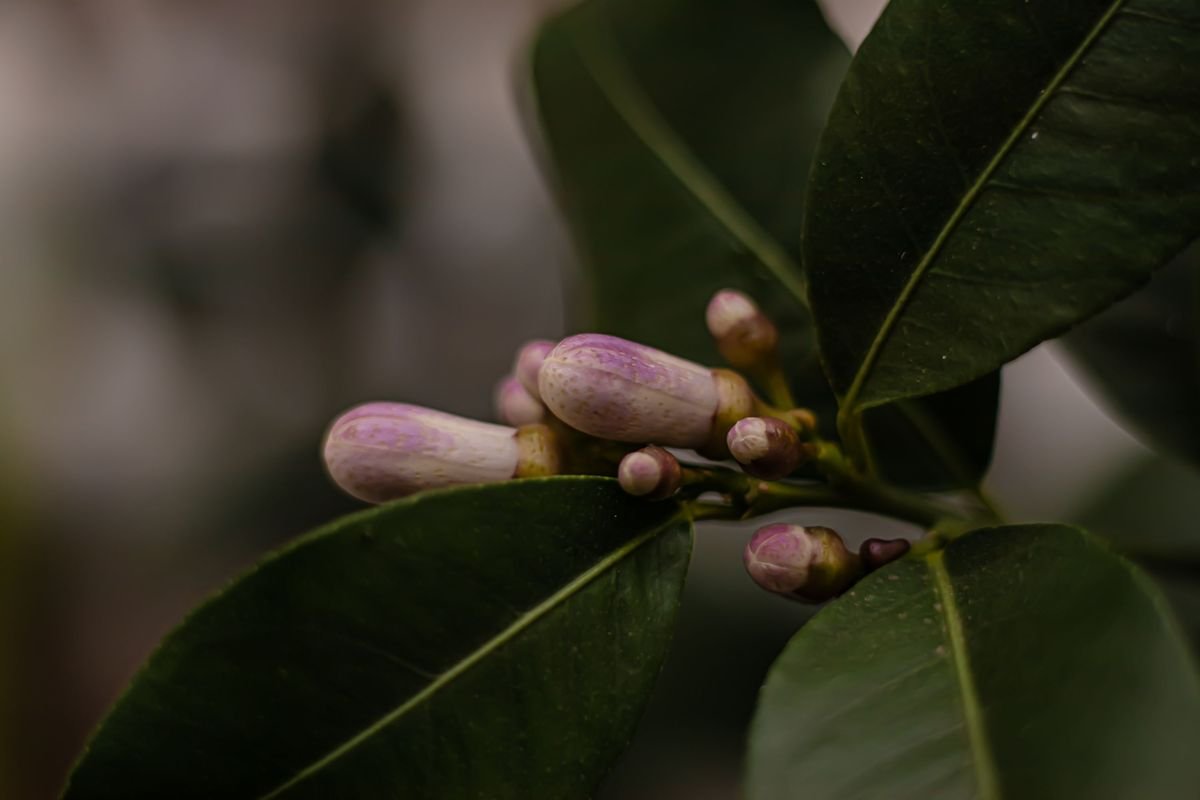
If you have a lemon tree in your yard or a potted citrus plant indoors, you may wonder whether it poses a risk to your dog. The short answer is yes, lemon trees are toxic to dogs. All parts of the lemon tree, including the fruit, peel, leaves, and seeds, contain compounds that can cause gastrointestinal upset and more serious symptoms if ingested in large amounts.
While a small lick of lemon juice might not be an emergency, chewing on leaves, swallowing seeds, or eating a large amount of peel can lead to poisoning. Understanding which parts are harmful and what signs to watch for can help you keep your dog safe.
What Parts of a Lemon Tree Are Toxic to Dogs?
Every part of the lemon tree contains substances that can be harmful to dogs. The concentration of toxins varies, but no part is considered safe for consumption.
Let’s break down the risks by plant part.
Lemon Fruit and Juice
The flesh of the lemon contains citric acid, which can cause stomach upset, vomiting, and diarrhea in dogs if eaten in sufficient quantity. The high acidity may also irritate the mouth and esophagus. While a small slice or a few drips of juice rarely cause serious harm, larger amounts can lead to significant gastrointestinal distress.
Lemon Peels
The peel is more dangerous than the flesh because it contains higher concentrations of essential oils, such as limonene and linalool. These oils can cause depression, weakness, and even liver damage in severe cases. Additionally, the peel may be difficult to digest and could cause an intestinal blockage if consumed in large pieces.
Leaves and Stems
Lemon tree leaves and stems contain psoralens and essential oils. When chewed or swallowed, they can cause vomiting, diarrhea, and skin sensitivity to sunlight (photosensitivity). In some dogs, even small amounts of leaves can trigger a reaction. The rough texture may also cause oral irritation.
Seeds
Lemon seeds are a choking hazard and, like the rest of the plant, contain small amounts of the compound amygdalin, which can break down into cyanide in the body. However, the amount in a few seeds is usually not enough to cause cyanide poisoning unless ingested in very large quantities. Still, it’s best to keep seeds away from dogs.
The Toxic Compounds in Lemon Trees
Several naturally occurring chemicals in lemon trees contribute to their toxicity in dogs. Understanding these compounds can help you recognize the potential risks.
Psoralens
Psoralens are phototoxic compounds found in the leaves, fruit, and peel. They can cause a reaction when the skin is exposed to sunlight after contact, leading to redness, blistering, and pain. Ingesting psoralens can also cause vomiting and photosensitivity. This is similar to the reaction seen in some people after handling limes and then going into the sun.
Essential Oils (Limonene and Linalool)
Limonene and linalool are the main essential oils in lemons that impart the citrus scent. These oils can be toxic to dogs, particularly in concentrated forms. When ingested in high amounts, they cause drooling, tremors, low blood pressure, and even coma. While the amount in a whole lemon peel may not reach that level, caution is still warranted.
Citric Acid
Citric acid is responsible for the sour taste of lemons. In large quantities, it can cause gastrointestinal upset, but it is less dangerous than the essential oils. However, dogs that eat a significant amount of lemon fruit may experience persistent vomiting and diarrhea leading to dehydration.
Symptoms of Lemon Tree Poisoning in Dogs
Symptoms of lemon tree toxicity typically appear within a few hours of ingestion. They can range from mild to severe depending on the amount consumed and the dog’s size.
Common symptoms include:
– Vomiting, often with chunks of plant material
– Diarrhea
– Drooling or hypersalivation
– Lethargy or weakness
– Skin irritation or rash (especially after contact with leaves or peel, then sunlight)
– Loss of appetite
– In severe cases: tremors, difficulty walking, low blood pressure, or collapse
If you notice any of these signs after your dog has been near a lemon tree, contact your veterinarian immediately.
What to Do If Your Dog Eats Part of a Lemon Tree
If you catch your dog chewing on a lemon tree or suspect they have ingested any part of it, take action promptly.
First, remove any remaining plant material from your dog’s mouth. Offer water to help wash down any residue. Do not induce vomiting unless instructed by a veterinarian, as some compounds can cause more harm if vomited.
Next, call your veterinarian or a pet poison hotline (such as the ASPCA Animal Poison Control Center at 888-426-4435). Be ready to provide information about which part of the plant was eaten, how much, and when. Follow their advice, which may include monitoring at home or bringing your dog in for treatment.
In most cases, mild ingestion requires only supportive care, such as bland diet and anti-nausea medication. But for significant amounts, your vet may administer activated charcoal to absorb toxins, IV fluids to prevent dehydration, and skin treatments if photosensitivity occurs.
Can Dogs Be Around Lemon Trees Safely?
Yes, you can have a lemon tree and a dog as long as you take precautions. Dogs that are not tempted to chew or eat the plant can coexist without issues. However, some dogs are curious and may try to sample leaves or fallen fruit.
To minimize risk, consider fencing off the tree or using a deterrent spray with bitter apple. Regularly pick up fallen lemons and leaves from the ground. If you have a potted lemon tree indoors, place it in an area your dog cannot reach. Supervise your dog during outdoor time to prevent unsupervised snacking.
Safe Citrus Alternatives for Dog-Friendly Gardens
If you are concerned about lemon trees but love citrus, consider growing certain other citrus plants that are less toxic or more manageable. For example, kumquats are small and often eaten with the peel, but their high sugar content can cause stomach upset. In general, all citrus trees contain some toxic compounds, so it is safest to choose non-citrus plants.
Dog-safe fruit trees include apple (avoid seeds and core), banana (peel-free), and blueberries or strawberries. Herbs like rosemary, basil, and mint are also safe and can be grown near lemon trees without worry.
Always research any plant before adding it to your garden to ensure it is non-toxic to dogs.