
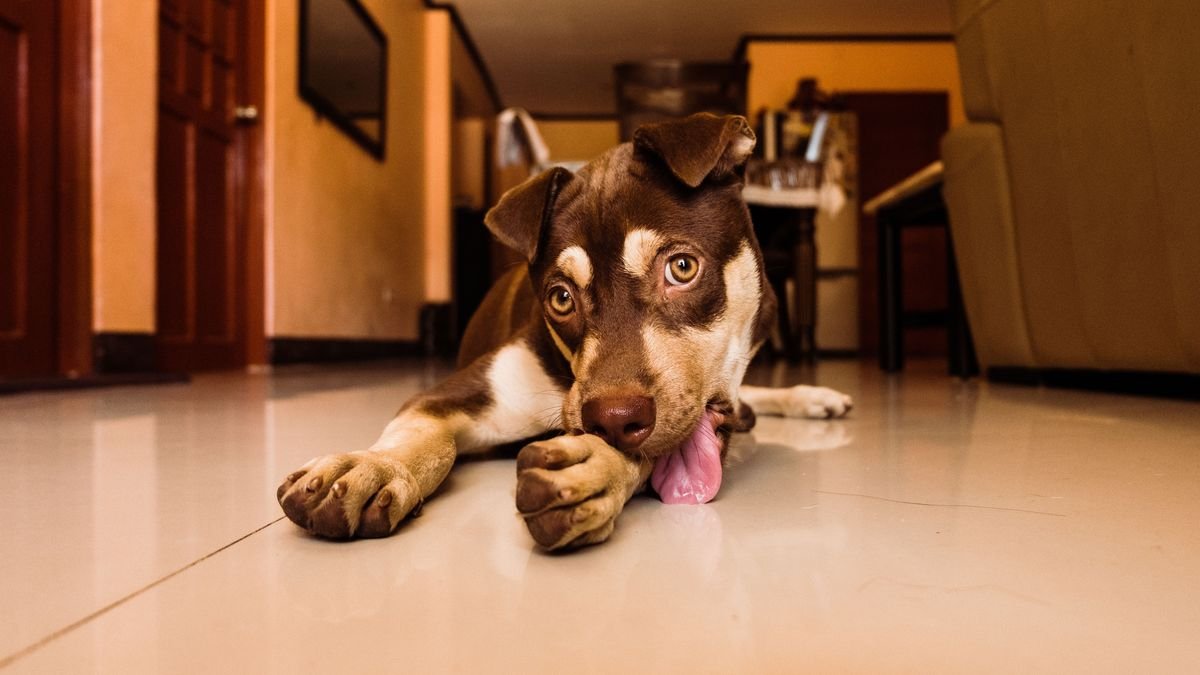
It’s normal for dogs to groom their paws occasionally, but when licking becomes excessive, it often signals an underlying issue. Persistent paw licking can stem from medical problems like allergies, injuries, or infections, as well as behavioral factors such as boredom or anxiety. Understanding the root cause is the first step toward helping your dog feel better.
This article explores the most common reasons dogs lick their paws and offers practical guidance on when to consult a vet and how to address the behavior at home.
Common Medical Causes of Paw Licking
Excessive paw licking often points to a physical health issue. Dogs lick to soothe discomfort, clean a wound, or respond to itching. If the licking is focused on one paw or appears suddenly, a medical cause is more likely.
Here are the most frequent medical reasons your dog might be licking their paws.
Allergies
Allergies are a leading cause of paw licking. Dogs can be allergic to environmental triggers like pollen, mold, or dust mites. Food allergies, especially to proteins such as chicken or beef, also commonly affect the paws. Contact allergies from grass, carpet cleaners, or de-icing salts can cause localized irritation.
Allergic reactions often create itchy, red, or inflamed skin between the paw pads and toes. Your dog may lick to relieve the sensation. If you notice seasonal patterns or changes after eating certain foods, allergies may be the culprit.
Injuries and Pain
A cut, splinter, thorn, or insect sting can make a dog obsessively lick one paw. Paw licking can also signal deeper pain, such as arthritis in the joints of the leg or paw. Dogs often lick painful areas as a self-soothing mechanism.
Check your dog’s paw pads for visible wounds, swelling, or foreign objects. If the licking is accompanied by limping or reluctance to walk, an injury or arthritis might be responsible.
Parasites
Fleas, ticks, and mites can cause intense itching, especially around the paws. Flea allergy dermatitis is common in dogs and can trigger licking even after a single flea bite. Mites like demodex or scabies can also lead to hair loss and redness on the feet.
If your dog is licking multiple paws and scratching elsewhere, parasites may be to blame. A vet can run skin scrapings or recommend flea control products.
Dry Skin or Infections
Dry, cracked paw pads can occur in dry weather or from frequent walking on hot pavement. This discomfort leads to licking. Bacterial or fungal infections, such as yeast infections, are also common between the toes. Yeast infections often produce a musty odor and cause the skin to turn pink or brown.
If the paw skin looks greasy, smells bad, or shows crusts, an infection is likely. Your vet can prescribe medicated wipes or topical treatments.
Behavioral Reasons for Paw Licking
When medical causes are ruled out, the behavior may have a psychological root. Dogs lick their paws to cope with emotional distress or because the habit itself becomes rewarding.
Behavioral licking often affects both front paws and may happen during specific situations like when left alone or after a stressful event.
Boredom or Lack of Stimulation
Dogs that don’t get enough physical exercise or mental enrichment may develop repetitive behaviors like paw licking. It becomes a way to pass the time or self-entertain. This is especially common in high-energy breeds left alone for long periods.
Increasing daily walks, providing puzzle toys, or practicing training exercises can reduce boredom-driven licking.
Anxiety or Stress
Dogs with separation anxiety, noise phobias, or general stress may lick their paws as a calming mechanism. The repetitive licking releases endorphins and can become a compulsive coping strategy.
If paw licking coincides with events like thunderstorms, being left alone, or changes in routine, anxiety may be the cause. A veterinarian or behaviorist can help develop a management plan.
Obsessive Compulsive Behavior
Some dogs develop a compulsive disorder similar to OCD in humans. They lick their paws excessively even when no underlying medical or emotional trigger is present. The behavior is ritualistic and hard to interrupt.
Compulsive licking often results in hair loss, skin thickening, or lick granulomas (raw, raised sores). Treatment usually involves a combination of behavior modification and medication prescribed by a vet.
When to See a Vet
Occasional paw licking is normal, but you should consult a veterinarian if:
– The licking is persistent and lasts more than a few days.
– The paw appears red, swollen, bleeding, or has a foul odor.
– Your dog is limping or favoring one leg.
– You notice hair loss, scabs, or sores on the paws.
– The behavior is accompanied by other signs like vomiting, diarrhea, or changes in appetite.
A vet can perform tests to identify allergies, infections, or systemic conditions. Early intervention prevents complications like secondary infections or chronic skin damage.
How to Help Your Dog Stop Licking Their Paws
Treatment depends on the cause, but general strategies include:
– For allergies: identify and avoid triggers; consider hypoallergenic diets or allergy medications.
– For infections: use prescribed medicated shampoos, wipes, or oral medications.
– For injuries: clean and bandage minor wounds; for deeper issues, follow vet instructions.
– For boredom: increase exercise and provide interactive toys.
– For anxiety: create a safe space, use calming aids like pheromone diffusers, or consult a behaviorist.
– To prevent further damage: use an Elizabethan collar (cone) or paw bandages temporarily while addressing the root cause.
Never punish your dog for licking; it is a symptom, not defiance. Addressing the underlying issue is the only permanent solution.