
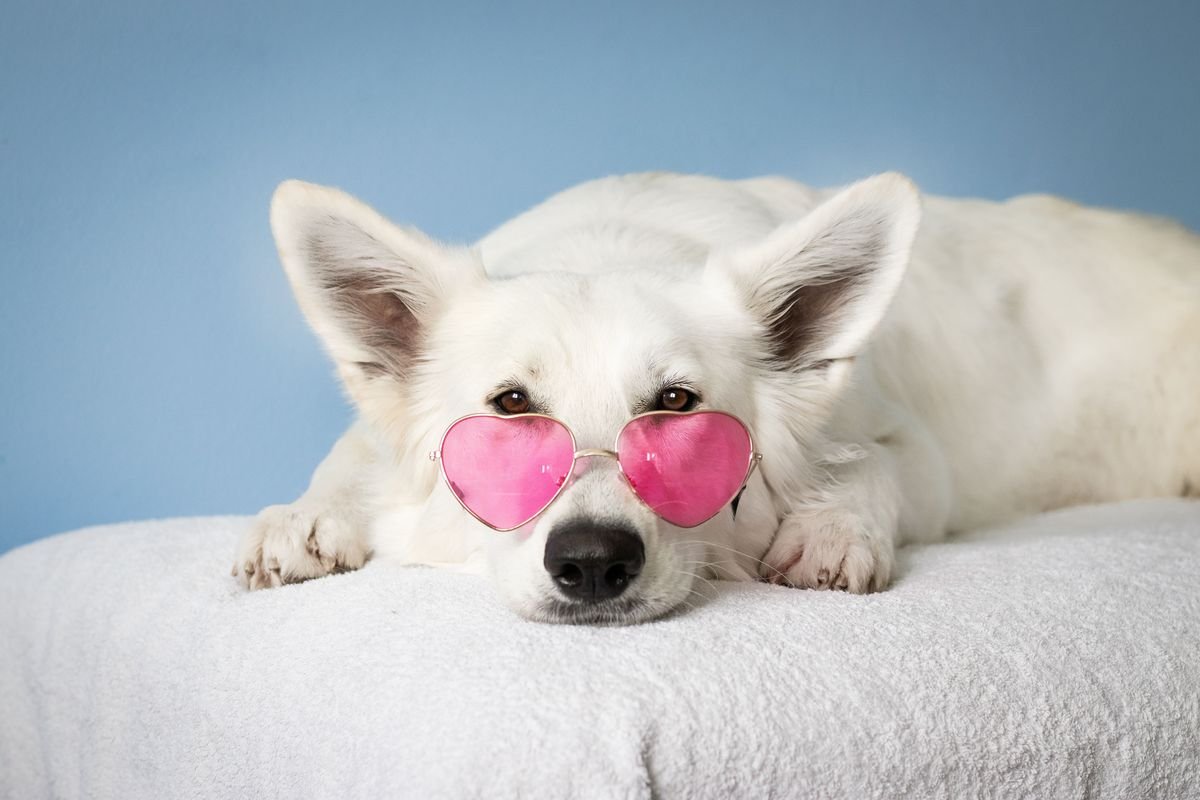
When you see a dog wearing glasses in a photo, it usually looks cute but puzzling. Do dogs actually need glasses? While most dogs don’t require prescription eyewear for everyday life, there are situations where protective goggles or even therapeutic contact lenses become necessary. This article explores how dogs see the world, common vision problems, and whether your pup might benefit from eyewear.
Dog vision differs significantly from human vision. Dogs have fewer cone cells in their retinas, so they see fewer colors and have lower visual acuity. However, they excel at detecting motion and seeing in dim light. Understanding these differences helps you recognize when your dog’s eyes might need professional attention.
How Well Do Dogs See?
A dog’s vision is adapted for hunting and survival rather than reading fine print. Their visual acuity is estimated at 20/75, meaning they see at 20 feet what a human with normal vision sees at 75 feet. This is why dogs rely more on their sense of smell and hearing.
Dogs have a wider field of view (around 240 degrees compared to humans’ 180 degrees) and superior night vision thanks to the tapetum lucidum, a reflective layer behind the retina. They are also highly sensitive to movement, which helps them detect prey or potential threats.
Common Canine Eye Problems
Many eye conditions in dogs can lead to vision impairment or discomfort. Recognizing symptoms early can prevent permanent damage.
Cataracts
Cataracts cause the lens to become cloudy, leading to blurred vision. They can be inherited, age-related, or caused by diabetes. Surgery is often effective, but post-surgery sunglasses may be needed to protect the eyes from UV light.
Glaucoma
Increased pressure inside the eye damages the optic nerve. Symptoms include redness, cloudiness, and pain. Treatment may involve medication or surgery, and protective eyewear can help if the eye becomes sensitive to light.
Progressive Retinal Atrophy (PRA)
PRA is a degenerative disease that leads to blindness. There is no cure, but dogs adapt remarkably well. While glasses won’t help, UV-protective goggles can shield the eyes from harmful rays if the dog still has some vision.
Dry Eye (Keratoconjunctivitis Sicca)
Insufficient tear production causes irritation and infection risk. Treatment includes artificial tears. In severe cases, contact lenses (therapeutic bandage lenses) can protect the cornea.
When Do Dogs Actually Need Glasses?
Prescription eyeglasses for refractive errors are extremely rare in dogs because their visual system is less reliant on sharp focus. However, there are specific scenarios where eyewear is beneficial.
After Eye Surgery
Following cataract surgery or corneal repair, dogs often need protective goggles (often called ‘doggles’) to prevent rubbing, scratching, and exposure to bright light. These are not corrective but serve as a barrier.
Sun Protection
Dogs with light-colored skin around the eyes or those with conditions like pannus (a corneal inflammation) require UV-blocking goggles. Some breeds, like Pugs and Bulldogs, are more prone to eye issues and can benefit from shaded lenses.
Foreign Body Protection
Working dogs or dogs that ride with their heads out of car windows need goggles to shield eyes from debris, wind, and insects. This prevents corneal scratches and infections.
Therapeutic Contact Lenses
Veterinary ophthalmologists sometimes use soft contact lenses as a bandage for persistent corneal ulcers or dry eye. These lenses are not for vision correction but for healing.
Alternatives to Glasses: Surgery and Medications
Depending on the condition, there are treatments that address the root cause rather than relying on eyewear. For cataracts, surgery restores vision. For glaucoma, medications or surgery lower eye pressure. Dry eye can be managed with artificial tears or immune-suppressing drops. Always consult a veterinary ophthalmologist for a proper diagnosis and treatment plan.
Can Dogs Wear Human Glasses?
No. Human prescription glasses are not designed for canine facial anatomy. Dog goggles are specially shaped to fit a dog’s head and allow peripheral vision. If your dog needs visual aids, your vet can refer you to canine eyewear brands that offer proper fit and UV protection.
When to See a Vet About Your Dog’s Eyes
Signs that your dog may have vision problems include bumping into furniture, reluctance to navigate stairs, red or cloudy eyes, excessive squinting, or pawing at the face. Regular veterinary eye exams can catch issues early. If you notice any changes, schedule an appointment promptly.
Remember, most dogs see well enough without glasses. But for those with specific needs, the right eyewear or treatment can greatly improve their quality of life.