
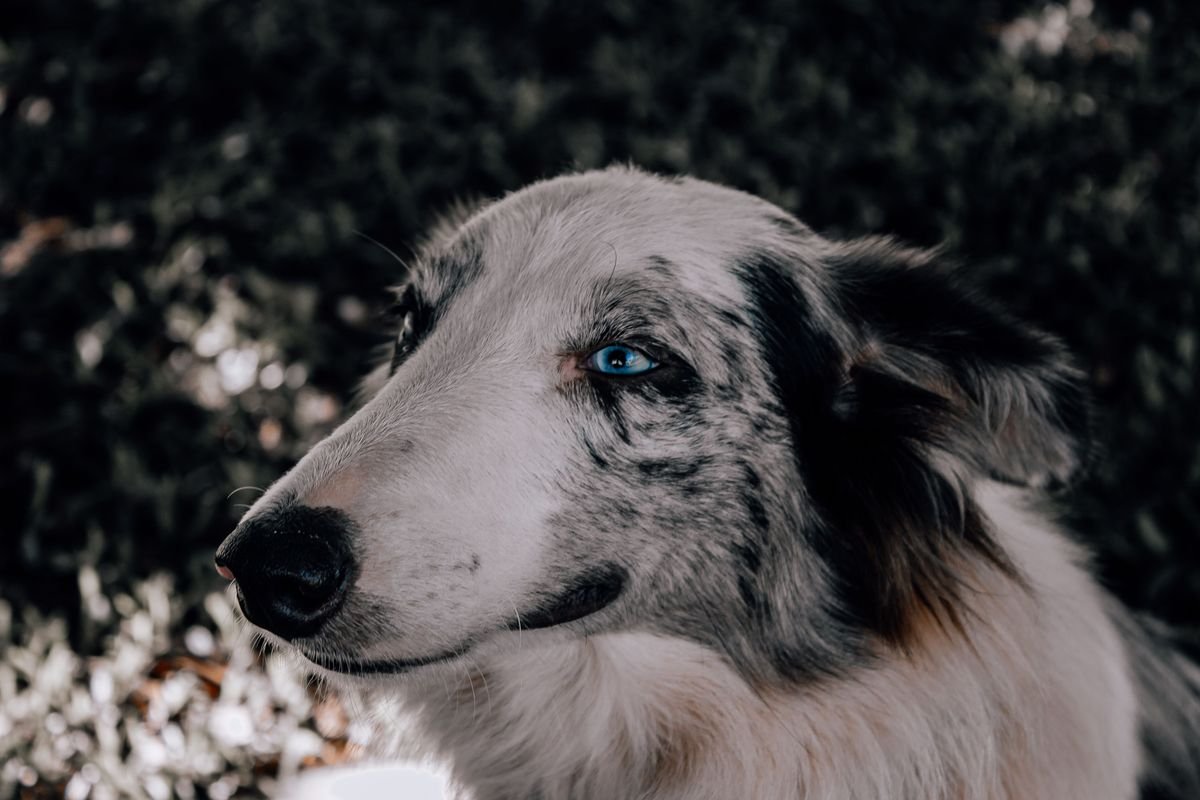
If you have ever caught your dog dragging its bottom across the floor, you are not alone. This behavior, known as scooting, is common among dogs and often leaves owners puzzled or amused. However, scooting is usually a sign that something is bothering your dog, and it warrants attention. Understanding the underlying reasons can help you address the issue and keep your furry friend comfortable.
Scooting occurs when a dog sits and drags its rear end along the ground. While it may look funny, it often indicates discomfort or irritation in the anal area. The most common causes range from full anal glands to allergies or parasites. In many cases, the solution is simple, but some situations require a veterinarian’s help.
Common Causes of Scooting in Dogs
Scooting is not a disease itself but a symptom of an underlying problem. The key is to identify what is causing the irritation. Below are the most frequent reasons dogs scoot.
Anal Gland Issues
Dogs have two small scent glands located on either side of their anus. These glands produce a strong-smelling fluid that is normally released when they poop. If the glands do not empty properly, they can become impacted, infected, or even abscessed. This causes itching and pain, prompting the dog to scoot in an attempt to relieve the pressure.
Anal gland problems are one of the most common reasons for scooting. Dogs that are overweight, have soft stools, or suffer from chronic diarrhea are more prone to impacted glands. If your dog scoots frequently, a veterinarian can express the glands manually or recommend dietary changes to firm up the stool.
Allergies
Environmental or food allergies can cause intense itching around the anus. Just like humans, dogs can react to pollen, dust mites, or certain ingredients in their food. This allergic reaction leads to inflammation and discomfort, leading to scooting.
If your dog also chews its paws, rubs its face, or has recurrent ear infections, allergies may be the culprit. Your vet can help identify the allergen through elimination diets or allergy testing and prescribe treatments such as antihistamines or special shampoos.
Parasites
Intestinal parasites like tapeworms can cause anal itching. Tapeworm segments, which look like grains of rice, often crawl out of the anus and irritate the skin. Dogs may scoot to scratch the itch caused by these parasites.
Other worms, such as roundworms or hookworms, can also lead to general discomfort. A fecal exam by your veterinarian can detect parasites, and deworming medications are usually effective. Regular preventive care helps keep parasites at bay.
Less Common but Serious Causes
While most scooting is due to benign issues, some underlying conditions require prompt medical attention.
Anal Sac Disease or Tumors
In rare cases, chronic scooting may indicate anal sac disease such as sacculitis (inflammation) or even tumors in the anal area. These conditions can be painful and may cause blood or pus in the stool. If you notice swelling, discharge, or a lump near the anus, have your dog examined immediately. Early detection improves treatment outcomes.
Skin Infections or Injuries
Bacterial or fungal infections in the anal region can cause itching and discomfort. Injuries from foreign objects like grass awns or burrs can also become lodged near the anus, leading to scooting. Check your dog’s rear end for redness, swelling, or visible foreign material. If you find anything unusual, do not try to remove it yourself; let a vet handle it.
What to Do When Your Dog Scoots
Now that you know why dogs scoot, here are steps to take when you see this behavior.
Monitor and Observe
Note how often your dog scoots and whether it happens after pooping, eating certain foods, or during specific seasons. Also check for other signs like licking the area, a bad odor, or changes in stool. This information helps your vet narrow down the cause.
Check the Anal Area
Gently lift your dog’s tail and inspect the anus and surrounding skin. Look for redness, swelling, discharge, or visible parasites. If you see tapeworm segments (small white rice-like pieces), your dog likely has tapeworms. For anal gland issues, you may notice a foul fishy smell. However, be careful not to squeeze the glands yourself unless instructed by a vet, as improper technique can worsen the problem.
Visit the Veterinarian
If scooting persists for more than a day or two, or if your dog shows signs of pain, blood, or swelling, schedule a vet appointment. The vet can express full anal glands, prescribe medication for infections or allergies, and rule out serious conditions. Routine wellness checks can also prevent many causes of scooting.
How to Prevent Scooting
Prevention focuses on maintaining overall health and addressing common triggers.
Diet and Hydration
Feed your dog a high-quality diet with adequate fiber to promote firm, bulky stools. Firm stools help naturally express the anal glands during defecation. Adequate water intake also supports digestive health. If your dog has soft stools, consider adding a fiber supplement like canned pumpkin or psyllium husk (with vet approval).
Regular Parasite Control
Use monthly preventatives for fleas, ticks, and intestinal parasites as recommended by your vet. Regular fecal exams at least once a year can catch infections early.
Grooming and Hygiene
Keep the area around your dog’s anus clean and trimmed. Long-haired breeds may need regular grooming to prevent matting and fecal matter from clinging to the fur. Use pet-safe wipes if needed, but avoid over-wiping which can cause irritation.
When to Worry: Red Flags
Most scooting is harmless, but certain signs warrant immediate veterinary care: scooting accompanied by crying or yelping, visible blood or pus, a lump near the anus, sudden weight loss, or changes in appetite or energy. Also, if your dog scoots relentlessly and cannot seem to stop, it may indicate a serious anal gland abscess or other condition that requires urgent treatment.
Final Thoughts
Scooting is your dog’s way of telling you something is off down there. While it can be a simple fix like expressing anal glands or deworming, it can also signal a deeper health issue. By paying attention and working with your veterinarian, you can get to the root of the problem and help your dog feel better. Remember, a healthy dog is a happy dog, and a happy dog does not drag its butt on the carpet.