
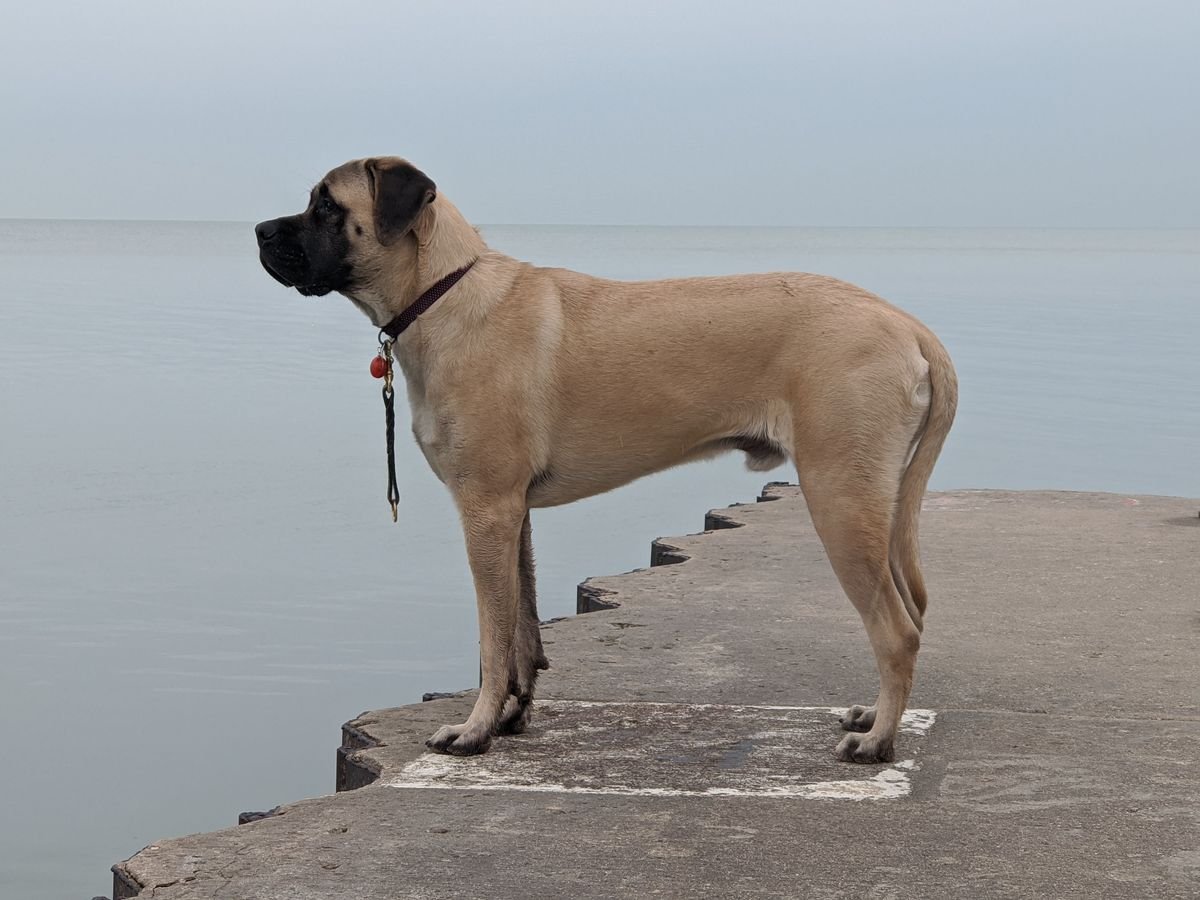
If you have noticed a soft, fleshy pouch of skin hanging from your dog’s neck, you might be wondering what it is and whether it is normal. This pocket of fat and skin is often called a dewlap or a neck fold. While common in certain breeds, it can also signal health issues in others. Understanding the causes and implications of neck fat in dogs helps you care for your pet better. This article explores what the fat in a dog’s neck is, which breeds have it, and when it might require veterinary attention.
What Is the Fat in a Dog’s Neck?
The fat in a dog’s neck is typically a combination of loose skin and subcutaneous fat. It forms a fold or pouch that hangs from the lower neck to the upper chest. This structure is known anatomically as the dewlap. In some breeds, the dewlap is a breed standard feature, while in others it may develop due to weight gain, aging, or genetics. The skin itself is loose and elastic, allowing the fat to accumulate and create a noticeable bulge.
Breeds Prone to Neck Fat
Certain dog breeds are genetically predisposed to have prominent neck folds or dewlaps. These include:
– Shar Pei: Known for their deep wrinkles all over the body, including the neck.
– Bloodhound: Loose skin and a pronounced dewlap help them trap scents.
– Mastiff and Neapolitan Mastiff: Massive breeds with heavy, loose skin.
– Basset Hound: Short legs and a thick neck fold are breed characteristics.
– Bulldog (English and French): Short snouts and heavy neck folds.
– Chinese Shar Pei: Extremely wrinkled skin, especially around the neck.
– Saint Bernard: Drop jowls and a thick neck.
– Boxer, Great Dane, and Dogue de Bordeaux also often have loose neck skin.
In these breeds, the neck fat is normal and part of their appearance. However, any dog can develop a fatty neck if they become overweight or as they age.
Causes of Neck Fat in Dogs
Neck fat can have several causes. Knowing the reason helps determine if it is a concern.
Genetics and Breed Characteristics
As mentioned, many breeds are born with loose skin and fat pads around the neck. This is a natural trait and does not require treatment. The fat serves no specific function but is part of the breed’s structure.
Obesity and Weight Gain
Excess body weight leads to fat deposits in various areas, including the neck. A dog that is overweight may develop a noticeable fat pad behind the neck or under the chin. This fat is similar to belly fat and increases the dog’s risk of health problems like diabetes, joint issues, and heart disease.
Aging and Loss of Skin Elasticity
As dogs age, their skin loses collagen and elasticity. Combined with natural gravity, the skin can sag and create a pouch. Older dogs often develop a dewlap even if they did not have one before. This is a normal age-related change.
Medical Conditions
Rarely, a swelling or lump in the neck may be mistaken for fat. Conditions such as thyroid enlargement (goiter), cysts, tumors, or abscesses can cause a visible bulge. Unlike simple fat, these are usually firm, warm, or painful. If the neck lump appears suddenly or changes size, consult a veterinarian.
Is Neck Fat in Dogs a Health Concern?
For most dogs, a loose dewlap or neck fat is harmless. However, there are situations where it may indicate a problem. If your dog is overweight, the neck fat is part of a larger obesity issue that requires diet and exercise management. In breeds like the Shar Pei or Bulldog, the skin folds can trap moisture and bacteria, leading to skin infections. Regular cleaning and drying of the folds is essential to prevent dermatitis. Additionally, if the neck fat is firm, asymmetrical, or growing rapidly, it could be a tumor or cyst. Always monitor changes and consult your vet if you have concerns.
How to Care for a Dog with Neck Fat
Caring for a dog with neck fat depends on the underlying cause. For breed-related dewlaps, keep the skin folds clean and dry. Use a damp cloth to wipe between the folds and dry thoroughly. For overweight dogs, work with your vet on a weight loss plan. Regular exercise and a balanced diet can reduce overall body fat, including neck fat. For older dogs, gentle skincare and monitoring for lumps is sufficient. Never attempt to drain or cut any lump yourself; always seek professional veterinary advice.
When to See a Veterinarian
Schedule a vet visit if you notice any of the following:
– The neck fat suddenly appears or grows rapidly.
– The area feels hard, warm, or painful to your dog.
– Your dog shows signs of discomfort, such as scratching, head shaking, or reluctance to wear a collar.
– There is discharge, redness, or an unpleasant odor from the skin folds.
– Your dog is obese and you need help with a weight management plan.
– You notice any other changes in your dog’s overall health, such as lethargy or appetite loss.
A veterinarian can perform a physical exam, possibly needle aspiration or imaging, to determine if the lump is simply fat or something that requires treatment.
Conclusion
The fat in a dog’s neck is usually a normal, breed-specific feature called a dewlap. It can also develop from weight gain or aging. While generally harmless, it requires attention if it changes character or causes skin problems. By understanding what is normal for your dog and keeping an eye on any changes, you can ensure your pet stays healthy and comfortable.