
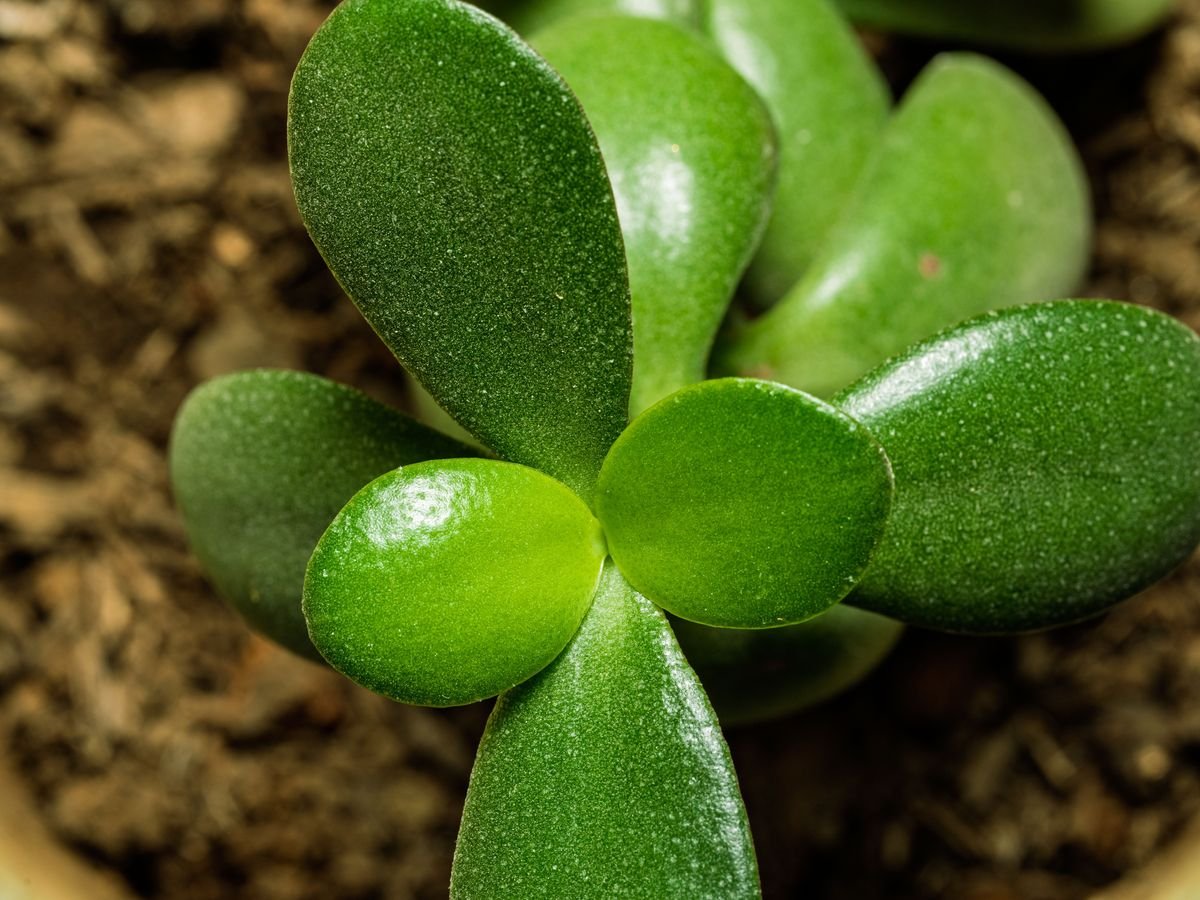
If you have a dog and a jade plant (Crassula ovata) in your home, you may be wondering whether this popular succulent poses a danger to your furry friend. The short answer is yes: jade plants are mildly toxic to dogs. While serious poisoning is rare, ingesting any part of the plant can cause unpleasant symptoms. In this article, we’ll explain exactly what makes jade plants toxic, the signs of poisoning, and what you should do if your dog takes a bite.
Understanding the risks is the first step in preventing an accident. Jade plants contain compounds called saponins, which are believed to be responsible for their toxic effects. Although jade plant poisoning is usually not life-threatening, it’s still important to act quickly and know how to keep your dog safe.
What Makes Jade Plants Toxic to Dogs?
The toxicity of jade plants is attributed to the presence of saponins. Saponins are naturally occurring chemicals found in many plants, including legumes and some herbs. In jade plants, these compounds act as a defense mechanism against herbivores. When a dog ingests jade plant leaves or stems, the saponins can irritate the gastrointestinal tract and, in some cases, affect the nervous system.
It’s important to note that the level of toxicity is considered mild to moderate. The exact concentration of saponins varies among different Crassula species, but Crassula ovata (the common jade plant) is the most frequently grown. Other common names include lucky plant, money tree (not to be confused with Pachira aquatica), and friendship tree. Regardless of the name, the potential for toxicity remains the same.
Symptoms of Jade Plant Poisoning in Dogs
Symptoms typically appear within a few hours of ingestion. The most common signs are related to the digestive system, but more serious neurological effects can also occur, especially if a large amount is eaten. If you notice any of these symptoms, contact your veterinarian promptly.
While individual dogs may react differently, the following are the most commonly reported symptoms.
Gastrointestinal Symptoms
The most frequent signs of jade plant poisoning are vomiting and drooling. Your dog may also have diarrhea, loss of appetite, or show signs of nausea such as lip licking or excessive swallowing. These symptoms can be mild and resolve on their own, but they should never be ignored, as they could indicate other health problems as well.
In some cases, the irritation to the stomach and intestines can cause blood in the vomit or stool. If you see blood, seek veterinary care immediately. Dehydration from prolonged vomiting or diarrhea can also be a concern, especially in small dogs.
Neurological Symptoms
More concerning are the neurological effects. Some dogs may experience depression, lethargy, or a lack of coordination (ataxia). They might seem unusually sleepy or disoriented, and in severe cases, tremors or seizures have been reported. These signs indicate that the toxin has affected the central nervous system and require urgent veterinary attention.
Fortunately, severe neurological symptoms are uncommon. Most dogs only suffer from mild gastrointestinal upset and recover fully with supportive care. However, because the severity can vary, it’s always best to err on the side of caution.
What to Do If Your Dog Eats a Jade Plant
If you catch your dog eating a jade plant or suspect they have, follow these steps:
1. Remove any remaining plant material from your dog’s mouth and keep the plant away to prevent further ingestion.
2. Call your veterinarian or a pet poison hotline immediately. In the U.S., the ASPCA Animal Poison Control Center (APCC) at (888) 426-4435 can provide guidance (a consultation fee may apply).
3. Provide as much information as possible: what part of the plant was eaten, how much, and when it happened. If you have a sample of the plant, bring it to the vet.
4. Do not induce vomiting unless specifically instructed by a professional. In some cases, vomiting can cause more harm, especially if the dog already has neurological symptoms.
5. Follow your vet’s advice. Treatment may include administering activated charcoal to absorb toxins, intravenous fluids to prevent dehydration, or medication to control vomiting and seizures. Most dogs recover within 24 to 48 hours with appropriate care.
How to Prevent Jade Plant Poisoning
Prevention is the best approach. Since jade plants are commonly kept as indoor houseplants, the simplest solution is to place them in areas your dog cannot reach. Consider high shelves, hanging baskets, or rooms that are off-limits to your pet.
Training your dog to avoid plants can also help. Teaching commands like ‘leave it’ can be effective. However, dogs, especially puppies, are naturally curious and may still nibble. If you’re concerned, choose pet-safe plants instead. Some non-toxic alternatives for households with dogs include spider plants, Boston ferns, and certain succulents like haworthia (though always double-check).
If you have an outdoor jade plant, supervise your dog when in the yard. While the strong smell of the plant may deter some dogs, others might still try to chew on it. Regularly check for fallen leaves, which can be just as toxic as the whole plant. Promptly remove any debris that your dog could access.
Are Other Succulents Toxic to Dogs?
Jade plants are not the only succulents that can be harmful to dogs. Many popular succulent species contain compounds that can cause mild to severe poisoning. For example, aloe vera is toxic to dogs and can cause vomiting, diarrhea, and lethargy. Similarly, certain euphorbias (such as pencil cactus or crown of thorns) produce a milky sap that irritates the skin and mucous membranes and can cause gastrointestinal upset if ingested.
On the other hand, many succulents are considered non-toxic. Echeveria, Sempervivum (hens and chicks), and Haworthia are generally safe for dogs. However, it’s always wise to research any new plant before bringing it into your home. The ASPCA maintains a comprehensive list of toxic and non-toxic plants for pets, which is a reliable resource for pet owners.
Remember that even non-toxic plants can cause minor stomach upset if eaten in large amounts due to the fiber content. The goal is to choose plants that won’t cause serious health issues, but supervision is still recommended.