
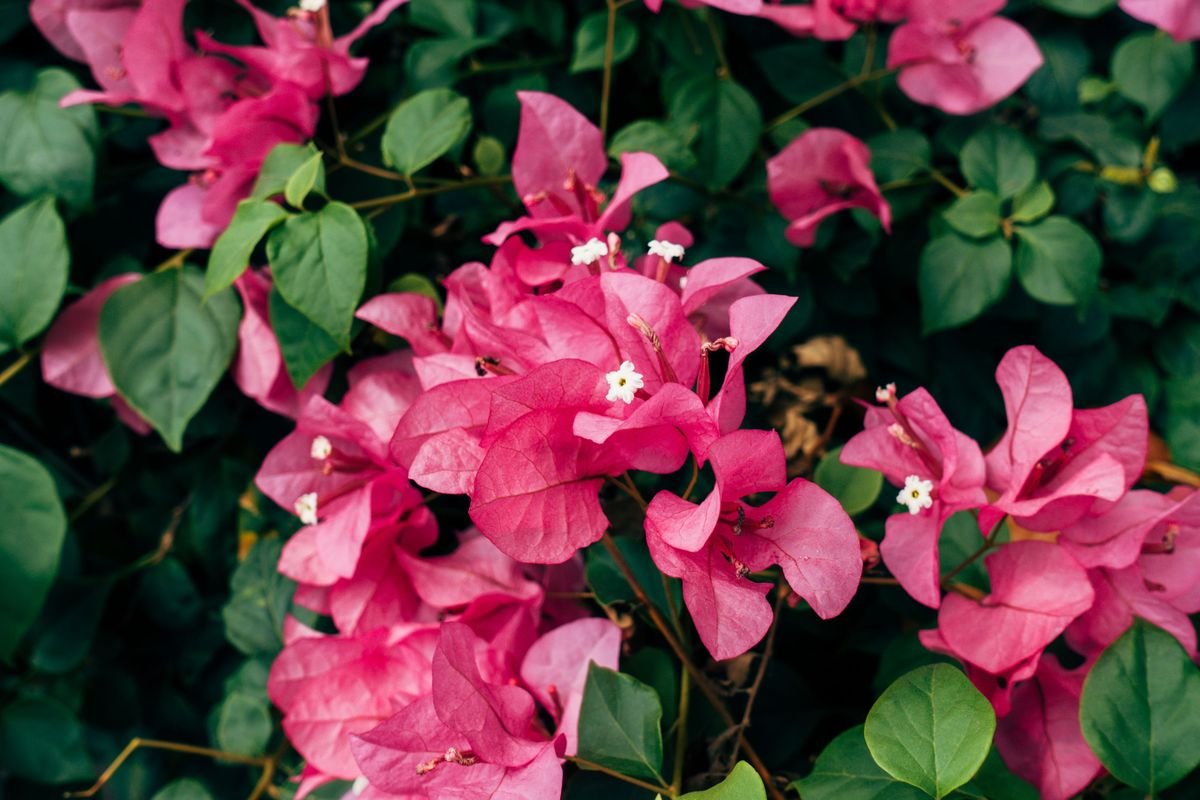
If you have a garden and a curious dog, you might worry about which plants are safe. Bougainvillea, with its vibrant bracts and thorny stems, is a popular ornamental plant in warm climates. But is bougainvillea toxic to dogs? The short answer is yes, it is mildly toxic. While it rarely causes severe poisoning, ingestion can lead to gastrointestinal upset, and the thorns can cause physical injury. Understanding the risks can help you keep your furry friend safe.
Understanding Bougainvillea Toxicity
Bougainvillea contains compounds called saponins, which are found in many plants and can cause mild toxicity when ingested. The sap also contains irritants that may cause skin reactions. However, bougainvillea is generally considered low in toxicity compared to plants like oleander or sago palm. The primary concerns are gastrointestinal distress and mechanical injury from the thorns, not life-threatening poisoning.
What Makes Bougainvillea Potentially Harmful?
The main toxic components are saponins, which are natural detergents that can irritate the digestive tract. In dogs, this often results in vomiting, diarrhea, and drooling. Additionally, the sap can cause contact dermatitis in sensitive pets or humans. The thorns are another concern: they can puncture the skin, mouth, or paws, leading to pain, swelling, or infection. While the toxicity is mild, the combination of chemical and physical risks means vigilance is warranted.
Are All Parts of the Plant Toxic?
Every part of the bougainvillea plant contains saponins, including the leaves, flowers, stems, and bracts (the colorful modified leaves often mistaken for flowers). However, the concentration is relatively low, so a small nibble might cause only minor symptoms. The thorns are present on the stems and are a separate hazard. The roots also contain saponins but are less likely to be accessed by dogs.
Symptoms of Bougainvillea Poisoning in Dogs
Symptoms after ingestion are usually mild and self-limiting, but it is important to recognize them. The most common signs appear within a few hours. Watch for vomiting, diarrhea, excessive drooling, and loss of appetite. If your dog has a skin reaction to the sap, you may see redness, itching, or a rash around the mouth or paws. Thorn injuries can cause limping, paw licking, or swelling.
Gastrointestinal Symptoms
The most frequent symptoms are gastrointestinal. Your dog may vomit once or repeatedly, have diarrhea, or show signs of nausea like lip licking or swallowing excessively. Drooling is also common because the sap can be bitter and irritating. These symptoms typically resolve within 24 hours with supportive care.
Dermatitis and Irritation from Thorns
If your dog brushes against the plant, the thorns can scratch or puncture the skin. This can cause localized pain, redness, and swelling. In some cases, a thorn may break off and become embedded, leading to abscess formation. If your dog chews the stems, thorns can injure the mouth, tongue, or gums, causing bleeding or difficulty eating.
When to Contact a Vet
Although bougainvillea poisoning is rarely an emergency, you should call your veterinarian if your dog shows persistent vomiting, diarrhea with blood, signs of dehydration (lethargy, dry gums), or if a thorn injury appears infected. Also contact a vet if your dog has a pre-existing health condition or if you are unsure how much was ingested. For minor symptoms, you can monitor at home, but professional advice is always a good idea.
What to Do If Your Dog Ingests Bougainvillea
If you catch your dog eating bougainvillea, stay calm. First, remove any plant material from their mouth and rinse the area with water. Offer fresh water to drink to help dilute any remaining sap. Do not induce vomiting unless directed by a veterinarian. Observe your dog for symptoms over the next few hours. If they develop mild vomiting or diarrhea, withhold food for a few hours, then offer a bland diet. Provide plenty of water to prevent dehydration.
First Aid Steps
Remove the dog from the plant. Check the mouth for thorns or plant particles and gently remove them. Rinse the mouth and paws with cool water. If the dog has skin contact, wash the area with mild soap and water. Keep the dog calm and monitor for symptoms. For minor gastrointestinal upset, fasting for 12 to 24 hours (unless the dog is very young or has health issues) can help the stomach settle.
When to Seek Veterinary Care
Seek veterinary care if symptoms are severe or persist longer than 24 hours. Also if your dog has eaten a large amount of the plant, is very small, or has underlying health problems. Signs that require urgent attention include repeated vomiting, bloody diarrhea, extreme lethargy, or signs of an allergic reaction such as facial swelling. If a thorn is deeply embedded or causing significant pain, a vet may need to remove it and prescribe antibiotics.
Preventing Bougainvillea Poisoning
Prevention is the best approach. If you have bougainvillea in your garden, consider placing it in an area your dog cannot access, such as behind a fence or in a raised bed. Regularly prune dead leaves and flowers that fall to the ground. Teach your dog a solid “leave it” command to discourage chewing on plants. Supervise outdoor time, especially for puppies or dogs that like to explore with their mouths.
Safe Gardening Practices
Plant bougainvillea in locations that are less frequented by your dog. Use physical barriers like decorative fencing or plant cages. Consider using raised planters that are out of reach. Clean up fallen flowers and leaves promptly, as these are easier for a dog to ingest. If you use mulch, choose a non-toxic variety, as some mulches can also be harmful if eaten.
Training Your Dog
Training is essential. Teach your dog commands like “leave it” and “drop it” to prevent them from picking up plants. Reward them for ignoring the bougainvillea. Provide plenty of appropriate chew toys and mental stimulation to reduce the urge to explore plants. If your dog is a persistent chewer, consider muzzling during walks if they try to eat plants off the ground.
Safer Plant Alternatives for Dog-Friendly Gardens
If you are concerned about bougainvillea, consider replacing it with non-toxic alternatives that still offer beauty. Some dog-safe options include roses (thornless varieties if worried about thorns), hibiscus, camellias, and snapdragons. Always check with a reliable source before adding new plants to your garden. The ASPCA has a comprehensive list of toxic and non-toxic plants for dogs.
Frequently Asked Questions
Q: Can bougainvillea kill a dog? A: It is highly unlikely. Bougainvillea is considered mildly toxic and typically only causes gastrointestinal upset. Death from bougainvillea poisoning is extremely rare unless a dog has an underlying condition or ingests a massive amount. Q: Are bougainvillea thorns dangerous? A: Yes, they can cause physical injury, infection, and pain. Seek veterinary care if a thorn is embedded or the wound becomes infected. Q: How much bougainvillea is toxic? A: There is no established toxic dose, but even a small amount can cause mild symptoms. Lighter dogs may be more affected by small amounts. Q: My dog licked the sap. What should I do? A: Rinse the mouth with water and monitor for drooling or mouth irritation. Symptoms are usually mild and resolve quickly.