
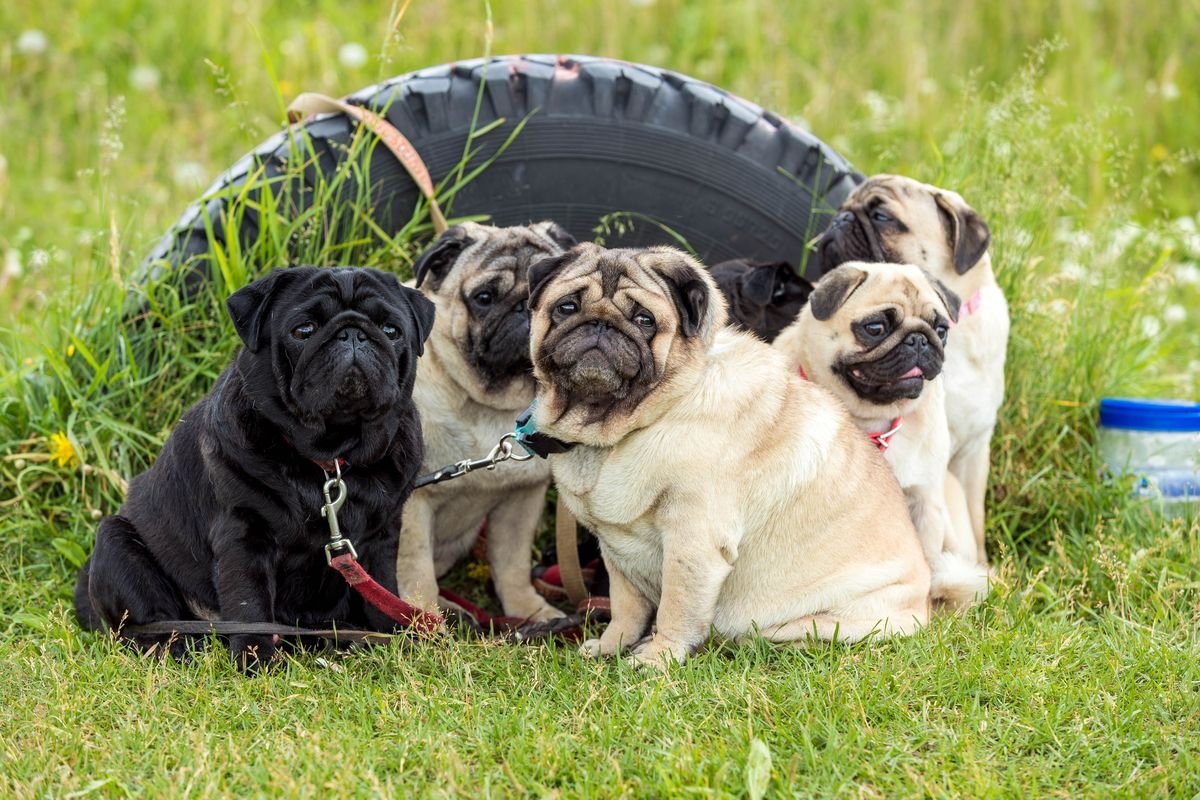
If you are considering adding a pug to your family, you might be wondering: do pug dogs shed? The short answer is yes, pugs shed a lot. In fact, they are known for being heavy shedders throughout the year. But shedding is not just a simple yes or no. There is a lot more to understand about their coat type, shedding cycles, and how to manage the fur. This article will cover everything you need to know about pug shedding so you can be prepared.
Pugs have a double coat, which means they have a soft, dense undercoat and a coarser topcoat. This double coat is what makes them shed so much. Unlike single-coated breeds, pugs shed their undercoat seasonally and their topcoat year-round. If you live with a pug, you will find dog hair on your furniture, clothes, and floors. But with the right grooming habits, you can reduce the amount of loose hair and keep your home relatively fur-free.
How Much Do Pug Dogs Shed?
Pugs are considered heavy shedders. A healthy pug sheds consistently throughout the year, with two major shedding seasons in spring and fall when they ‘blow’ their undercoat. During these times, you will notice a significant increase in loose hair. Even outside of peak shedding seasons, you can expect daily hair loss. If you have allergies or a strong dislike for pet hair, a pug may not be the best choice for you.
Why Do Pugs Shed So Much?
The main reason pugs shed heavily is their double coat. The double coat evolved to regulate body temperature in different climates. The undercoat provides insulation, keeping them warm in cold weather and cool in hot weather. The topcoat protects against dirt and moisture. Because pugs have a history as companion dogs in various climates, they retain this coat. Additionally, pugs are brachycephalic (flat-faced), which can make them prone to overheating, so shedding helps them stay cool.
The Role of Double Coat
A double coat means two layers of hair: a soft, downy undercoat and a coarser outer coat. The undercoat grows and sheds in cycles, while the outer coat sheds continuously. This combination leads to year-round shedding with seasonal peaks. Breeds with single coats, like the poodle, shed much less because they lack that dense underlayer.
Seasonal Shedding Patterns
Pugs typically have two major shedding seasons: spring and fall. In spring, they shed their thick winter undercoat to prepare for warmer weather. In fall, they shed their summer coat to grow a heavier winter coat. During these times, you will need to groom more frequently. However, because pugs are indoor dogs and are exposed to artificial lighting and consistent temperatures, their shedding may become less seasonal and more continuous.
When Do Pug Puppies Start Shedding?
Pug puppies are born with a soft, single coat. They start shedding their puppy coat around 4 to 6 months of age, when their adult double coat begins to grow in. This is the first heavy shedding period. You may notice a dramatic increase in loose hair as the adult coat replaces the puppy fur. After this transition, they will shed regularly like adult pugs.
Health Factors That Affect Shedding
Excessive shedding can sometimes indicate an underlying health issue. If you notice sudden, patchy hair loss, bald spots, or your pug seems constantly itchy, it may be due to allergies, skin infections, parasites, or hormonal imbalances. A healthy pug sheds evenly across the body. If you suspect a problem, consult your veterinarian. Proper nutrition also plays a key role; a diet rich in omega-3 fatty acids and high-quality protein helps maintain a healthy coat and reduces excessive shedding.
How to Manage Pug Shedding
You cannot stop a pug from shedding, but you can manage it effectively. The key is regular grooming and proper care. Here are the best ways to reduce loose hair in your home.
Brush Your Pug Daily
Daily brushing is essential for pug owners. Use a grooming tool designed for double-coated breeds, such as a slicker brush, a rubber curry brush, or a shedding blade. Brushing removes loose fur before it falls onto your furniture. It also distributes natural oils, keeping the skin and coat healthy. During heavy shedding seasons, brush twice a day if possible. A thorough brushing session should take about 10 to 15 minutes.
Bathe Your Pug Routinely
Bathing helps remove dead hair and dirt. Pugs should be bathed every 4 to 6 weeks, but not too frequently as it can strip natural oils. Use a gentle dog shampoo and conditioner. After bathing, towel dry thoroughly and brush again to remove loosened hair. Be careful not to get water in their facial folds, as moisture can cause skin infections.
Feed a High-Quality Diet
A balanced diet rich in protein and fatty acids supports coat health and reduces excessive shedding. Look for dog foods that list meat as the first ingredient and contain omega-3 and omega-6 fatty acids. You can also add supplements like fish oil after consulting your vet. Avoid cheap fillers like corn and soy, which can lead to poor coat condition.
Keep Your Home Clean
Vacuum regularly with a pet-friendly vacuum. Use lint rollers on furniture and clothing. Consider washable covers for sofas and beds. Air purifiers with HEPA filters can help reduce airborne dander and hair. Designate a specific pet bed for your pug to contain much of the shedding to one area.
Use De-Shedding Tools
Invest in a quality de-shedding tool like the FURminator, designed for double-coated breeds. These tools reach deep into the undercoat to remove loose hair before it sheds. Use them carefully and not too frequently, as overuse can damage the coat. Once a week during non-shedding seasons and two to three times a week during peak shedding is generally safe.
Do Pug Dogs Shed More Than Other Breeds?
Compared to other breeds, pugs are among the heaviest shedders. They shed more than short-haired breeds like the Beagle and slightly less than breeds known for extreme shedding like the Labrador Retriever or German Shepherd during their shedding seasons. However, because pugs are small, the total volume of hair is less than larger dogs. But the hair is dense and can be very noticeable on dark fabrics. If you compare pugs to non-shedding breeds like the Poodle or Bichon Frise, the difference is dramatic.
Frequently Asked Questions About Pug Shedding
Here are some common questions new pug owners have.
Are pugs hypoallergenic?
No, pugs are not hypoallergenic. They produce dander, saliva, and urine proteins that trigger allergies. Their heavy shedding also spreads dander around the home. If you have allergies, spend time with a pug before committing to see how you react.
Can I shave my pug to reduce shedding?
You should never shave a pug. Their double coat provides insulation and sun protection. Shaving can lead to overheating, skin damage, and improper regrowth. It will not stop shedding; the hair will just grow back in a different texture. Stick to regular brushing and grooming.
Does shedding mean my pug is unhealthy?
Not necessarily. Normal shedding is a natural process. But if you see bald patches, excessive scratching, redness, or flaky skin, those are signs of an issue. A vet check is recommended if you are concerned.
Final Thoughts
So, do pug dogs shed? Absolutely. They are heavy shedders with a double coat that requires consistent grooming. But with daily brushing, proper nutrition, and regular cleaning, you can manage the fur and enjoy all the wonderful traits of this loving breed. If you are prepared for some extra vacuuming, a pug can make a fantastic companion.