
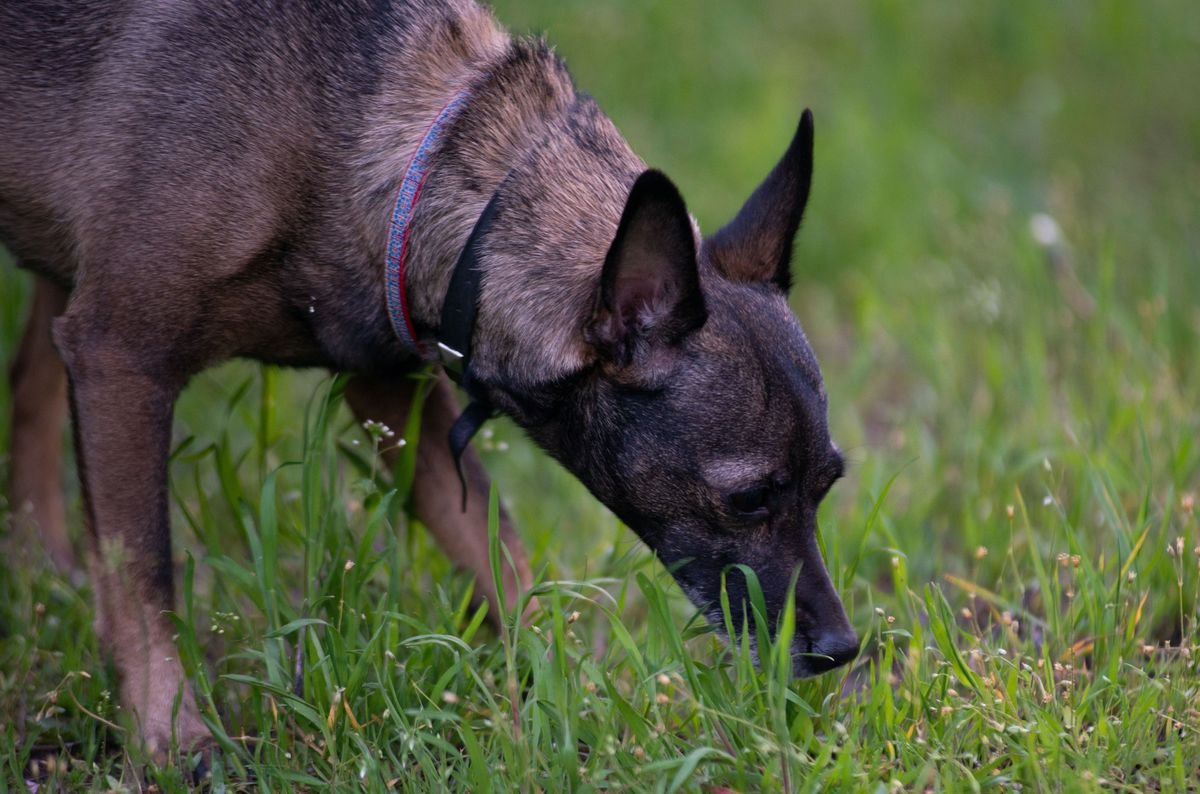
If you have ever let your dog into the backyard for five minutes and come back to a dog that smells like a swamp, you are not alone. Many pet owners notice that their furry friend develops a distinct odor after spending time outdoors. The smell can range from earthy and musky to downright pungent, often leaving you wondering what they rolled in.
While it may seem like a mystery, there are several scientific and behavioral reasons why dogs smell after being outside. Understanding these causes can help you manage and minimize the odors, keeping your home fresh and your pup clean.
Common Reasons Your Dog Picks Up Odors Outdoors
Rolling in Strong Smells
One of the most common reasons is that dogs intentionally roll in strong-smelling substances. This behavior is believed to be an instinct from their wild ancestors, who would roll in carcasses or feces to mask their own scent for hunting or to bring news back to the pack. Your dog might find a dead bird, a pile of deer droppings, or even a patch of particularly stinky mud and decide to rub all over it. The result is a powerful smell that clings to their fur.
Wet Dog Smell from Moisture
If your dog gets wet from rain, puddles, or even high humidity, the classic ‘wet dog’ smell quickly emerges. This odor comes from microorganisms like yeast and bacteria that live naturally on your dog’s skin. When water mixes with these microbes and their byproducts, the smell intensifies. The damp fur traps the odor, and as it dries, the volatile compounds are released into the air.
Dirt and Mud Trapping Scents
Dirt and mud themselves are not odorless. Soil contains a variety of organic matter, fungi, and bacteria, each with its own scent. When your dog digs, rolls, or simply walks through muddy areas, these particles get lodged in their coat. The longer they stay, the more they combine with your dog’s natural oils, creating a blended earthy smell. Plus, dried mud can be difficult to brush out, prolonging the odor.
Anal Gland Secretions
Dogs have two small scent sacs on either side of their anus that release a strong-smelling liquid. Sometimes, when a dog is excited, scared, or during a bowel movement, a small amount of this secretion can escape. If your dog has been outside and suddenly smells fishy or metallic, it might be due to anal gland leakage. This can happen when they strain during play or become frightened by something in the environment.
Biological Factors That Contribute to Odor
Sweat and Sebaceous Glands
Unlike humans, dogs primarily sweat through their paw pads. However, they have sebaceous glands all over their skin that produce an oily secretion called sebum. Sebum helps keep the skin and coat healthy, but it also provides a food source for bacteria and yeast. When your dog is active outdoors, they may produce more sebum, and the combination of sweat on the paws and sebum on the body can create a musky smell.
Yeast and Bacteria on the Skin
Every dog has a normal population of yeast (Malassezia) and bacteria on their skin. In healthy dogs, these microorganisms are kept in check. However, if your dog gets dirty, sweaty, or if there is an underlying skin condition, the microbes can overgrow. This overgrowth produces a distinct sour or cheesy odor. The outdoors can introduce new microbes or upset the balance, leading to a stronger smell after being outside.
Environmental Sources of Smell
Plants and Pollen
Your dog’s coat acts like a magnet for various plant materials. Pollen from grasses and flowers can be very fragrant, especially during allergy season. Additionally, certain plants like skunk cabbage, garlic mustard, or even common lawn weeds have strong odors that transfer to your dog’s fur upon contact. If your dog brushes against these plants, the smell may cling until you wash it off.
Chemical Odors
If you or your neighbors use fertilizers, pesticides, herbicides, or even lawn treatments like weed killer, these chemicals can leave a lingering odor on your dog’s coat. Even after the product dries, the chemical residue can be picked up by your dog. These smells are often sharp and unpleasant. It is a good idea to keep your dog off treated lawns until the product has fully dried or been watered in.
When to Worry About Outdoor Odors
Most outdoor smells are harmless and will fade with a bath or brushing. However, if your dog develops a persistent foul odor that does not go away or changes in character, it could indicate a medical issue. For example, a fishy or metallic smell may signal anal gland problems. A musty or yeasty odor might point to a skin infection. Similarly, if your dog is scratching excessively or showing signs of discomfort, the smell could be a symptom of allergies or dermatitis. In these cases, consult your veterinarian.
How to Reduce or Prevent Outdoor Smells
Grooming Tips
Regular brushing helps remove dirt, pollen, and dead hair before they settle. For dogs that love to roll in smelly things, a quick rinse with water and a mild dog shampoo can work wonders. Use a conditioner to keep the coat healthy and reduce static that attracts debris. Also, do not forget to trim the fur around the paws and belly, as these areas pick up the most grime.
Paw and Coat Care
Your dog’s paws are prime odor collectors. After each walk, wipe your dog’s paws with a damp cloth or a pet-safe wipe. Check between the pads for debris, mud, or signs of irritation. For the coat, a leave-in spray or dry shampoo can neutralize odors between baths. Be sure to choose products formulated for dogs, as human products can be harmful.
Quick Rinse or Wipe Down
If the weather permits, a quick hose-down or a wipe with a damp microfibre cloth can remove surface smells. Pay special attention to the head, neck, and rear areas. For dogs that consistently come in smelling strong, consider keeping a towel near the door and make it a habit to wipe them down before entering the house.