
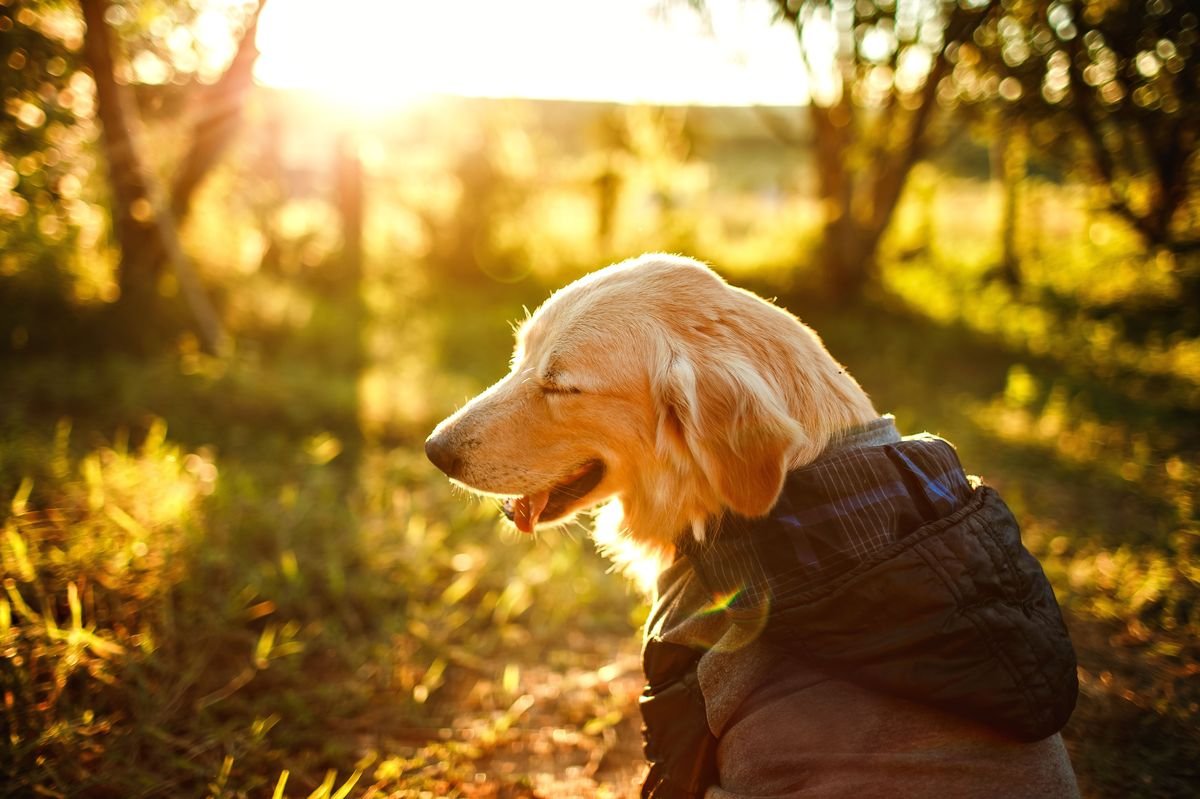
Many dog owners wonder if their pets truly need sunlight. While dogs do not synthesize vitamin D through their skin like humans do, natural light still plays an important role in their overall health. Sunlight helps regulate circadian rhythms, boosts mood, and provides mental stimulation. However, too much sun can lead to burns and overheating. This article explores the benefits and risks of sun exposure for dogs and offers practical tips for keeping your pup safe.
How Sunlight Affects Your Dog’s Health
Sunlight influences several aspects of your dog’s health, from sleep cycles to emotional wellbeing. Understanding these effects can help you make informed decisions about your dog’s daily routine.
Vitamin D and Sunlight in Dogs
Unlike humans, dogs cannot obtain vitamin D from sun exposure. Their skin lacks the necessary enzymes to convert sunlight into vitamin D. Instead, dogs must get this essential nutrient from their diet, primarily through high quality commercial dog foods or supplements. However, sunlight still supports vitamin D metabolism indirectly by helping maintain healthy skin and coat. Be aware that excessive sun can damage the skin, potentially interfering with what little vitamin D production may occur.
Sunlight and Circadian Rhythms
Exposure to natural light helps regulate your dog’s internal clock. Dogs, like humans, have circadian rhythms that control sleep wake cycles, hormone release, and even digestion. Morning sunlight signals the brain to reduce melatonin and increase cortisol, promoting alertness during the day. Without adequate natural light, some dogs may experience disrupted sleep patterns or lethargy. A daily dose of sunshine, especially in the morning, can help keep your dog’s biological rhythms in sync.
Even on cloudy days, outdoor light is much brighter than indoor lighting and provides the necessary cues for a healthy sleep wake cycle. If your dog spends most of the day indoors, consider opening curtains or taking short walks to maximize natural light exposure.
Mood and Mental Stimulation
Sunlight positively impacts your dog’s mood. Time outdoors exposes dogs to a variety of sights, sounds, and smells, providing mental enrichment that indoor environments cannot replicate. Basking in a sunny spot can be relaxing and comforting for many dogs. The warmth of the sun may also soothe achy joints in older dogs, similar to heat therapy. Conversely, insufficient sunlight or spending too much time in dimly lit spaces may contribute to boredom or even depression in some sensitive dogs.
Risks of Too Much Sun Exposure for Dogs
While sunlight offers benefits, overexposure can be harmful. Dogs can suffer from sunburn, heatstroke, and long term skin damage. Understanding these risks is crucial for responsible pet care.
Sunburn and Skin Cancer
Dogs with thin or light colored fur, such as Dalmatians or White Boxers, are especially prone to sunburn. Areas with minimal fur coverage like the nose, ears, belly, and groin are most vulnerable. Repeated sunburns increase the risk of developing skin cancer, including squamous cell carcinoma and hemangioma. Signs of sunburn in dogs include redness, peeling, and sensitivity to touch. If you notice these symptoms, move your dog to the shade and consult your veterinarian. Long term prevention is key: limit sun exposure during peak UV hours and consider protective clothing or pet safe sunscreen for high risk breeds.
Overheating and Dehydration
Dogs cannot regulate body temperature as efficiently as humans. They primarily cool themselves by panting and through the pads of their paws. Prolonged sun exposure, especially combined with exercise, can quickly lead to heat exhaustion or heatstroke. Symptoms include excessive panting, drooling, weakness, vomiting, and collapse. Always provide access to shade and fresh water when your dog is outdoors. Never leave your dog in a parked car, even with windows cracked, as temperatures can rise to deadly levels within minutes.
Safe Sunlight Practices for Dogs
You can help your dog enjoy the benefits of sunlight while minimizing risks by following a few simple guidelines.
Best Times for Sun Exposure
The safest times for sun exposure are early morning (before 10 a.m.) and late afternoon (after 4 p.m.) when UV rays are less intense. Limit sessions to 15 to 30 minutes at a time, especially for dogs with sensitive skin. During peak hours, keep your dog indoors or in shaded areas. Gradually acclimating your dog to sun exposure can also help prevent overexposure.
Providing Shade and Water
When your dog is outside, always ensure there is a shaded spot to retreat from direct sun. A covered porch, a tree, or a canopy works well. Fresh, cool water should be available at all times. For extra cooling, you can offer a kiddie pool or a damp towel for your dog to lie on. Monitor your dog’s behavior and bring them inside if they show signs of overheating.
Sunscreen for Dogs?
Yes, pet safe sunscreens exist and are recommended for dogs with light skin or thin fur, especially on their noses and ears. Never use human sunscreen, as it may contain zinc oxide or other ingredients toxic to dogs. Look for sunscreens specifically formulated for dogs, and apply it 15 minutes before exposure. Reapply according to the product instructions. As with any product, test a small area first to ensure your dog doesn’t have an adverse reaction.
What If Your Dog Doesn’t Get Sunlight?
Some dogs live in homes with limited natural light or have medical conditions that restrict sun exposure. In these cases, you can still support your dog’s health through alternative means.
Alternatives to Natural Sunlight
If your dog cannot go outside, consider using full spectrum light bulbs designed to mimic sunlight. These can help regulate circadian rhythms, though they are not a perfect substitute for real sunlight. Provide plenty of mental stimulation through interactive toys, puzzle feeders, and indoor play. Maintain a consistent daily routine for meals, walks (even short ones), and sleep to support your dog’s internal clock. Consult your veterinarian if you have concerns about your dog’s mood or energy levels, as they can recommend supplements or other adjustments.
Key Takeaways for Dog Owners
Sunlight offers real benefits for dogs, including mood enhancement and circadian rhythm regulation, but it is not a primary source of vitamin D. The key is moderation and protection. Allow your dog supervised, limited sun exposure during safe hours, and always provide shade and water. For vulnerable dogs, use pet safe sunscreen or protective clothing. By balancing sun time with safety, you can help your furry friend enjoy the outdoors without harm.