
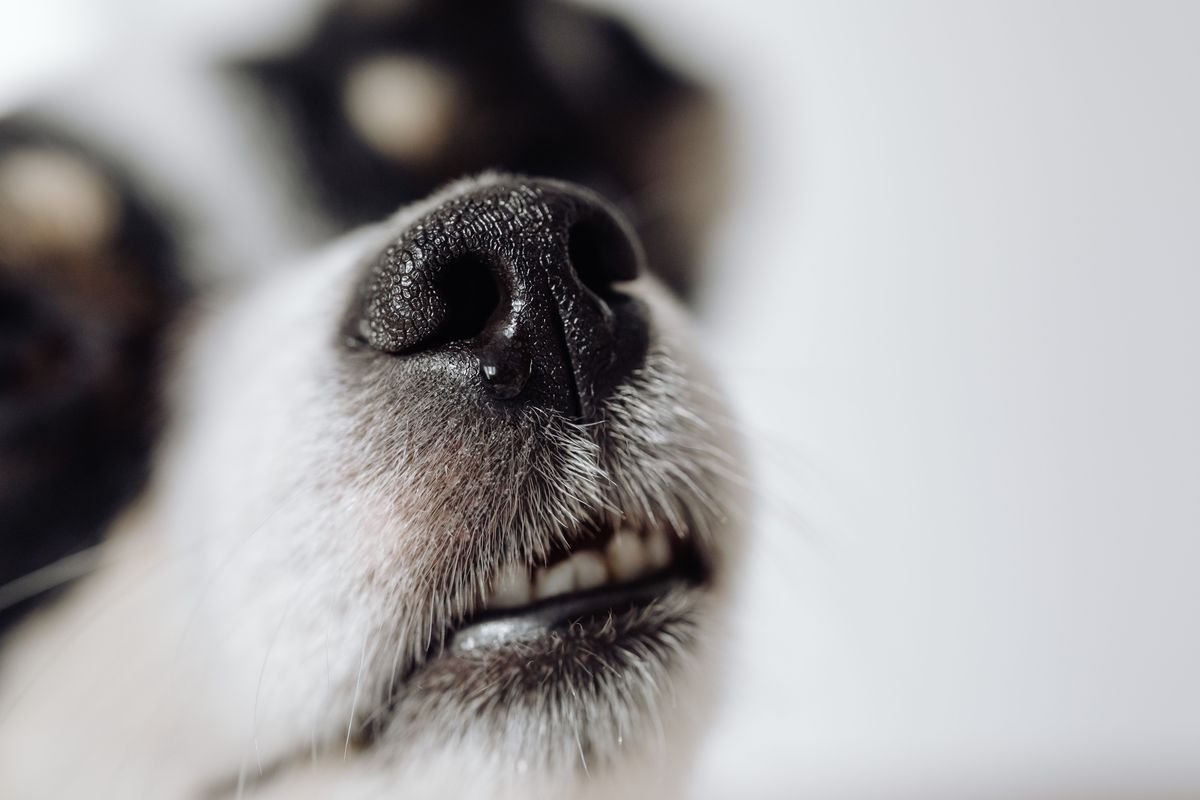
Many of us enjoy the fresh, invigorating scent of peppermint. It is common in candles, essential oils, and even treats. But if you have a dog, you may wonder: do dogs like the smell of peppermint? The answer is not straightforward. While some dogs appear indifferent or curious, others find peppermint overwhelming or even irritating. Understanding how your dog perceives this strong aroma can help you make safer choices for your pet.
Peppermint contains a compound called menthol, which gives it that cooling, sharp scent. Dogs have a much more powerful sense of smell than humans, so what seems pleasant to us can be intense for them. This article explores the science behind canine olfaction, how dogs typically react to peppermint, and important safety considerations for pet owners.
How Dogs Experience Smell
Dogs rely heavily on their sense of smell to interpret the world. Their noses have up to 300 million olfactory receptors, compared to about 6 million in humans. This means smells that are mild to us can be overpowering to a dog. The part of a dog’s brain dedicated to analyzing scents is about 40 times larger than that of a human. This keen sense helps them identify food, danger, and even emotions.
When it comes to strong odors like peppermint, the intensity can be startling. A scent that is refreshing to you might be similar to a blast of air freshener in a small room for your dog. Some dogs may avoid it, while others might be drawn to investigate. Individual personality and past experiences also play a role.
Typical Dog Reactions to Peppermint Scent
There is no single reaction that applies to all dogs. Some dogs show no interest or may walk away. Others might sniff curiously, lick the source, or even show signs of discomfort like sneezing, shaking their head, or pawing at their nose. A negative reaction often indicates the smell is too strong or unpleasant for them.
On the other hand, some dogs seem to enjoy peppermint. You may see them linger near a peppermint plant or chew on a toy infused with peppermint extract. This could be because menthol has a mild numbing effect or because the scent is associated with something positive, like a treat. However, enjoyment is not universal, and caution is advised.
Why Some Dogs May Dislike Peppermint
The strong menthol odor can irritate a dog’s sensitive nasal passages. In the wild, pungent smells often signal something to avoid, like spoiled food or predator markings. Peppermint does not naturally occur in most dog environments, so it may be unfamiliar and off-putting. Also, concentrated peppermint essential oil can be harsh. If your dog shows avoidance, it is best not to force exposure.
Signs Your Dog Is Uncomfortable with the Smell
Watch for behaviors such as sneezing, coughing, rubbing their face on furniture, excessive drooling, or trying to leave the area. If your dog licks the source and then drools or vomits, it could indicate nausea. These signs mean the scent is too strong. Remove the source and provide fresh air.
Potential Benefits of Peppermint for Dogs
In small, diluted amounts, peppermint can have some benefits. It is sometimes used in natural flea repellents, though effectiveness varies. The scent may also help mask other odors that encourage marking. Some dog shampoos include peppermint for its deodorizing and mild cooling effect, which can soothe itchy skin. Always choose products formulated specifically for dogs.
Peppermint can also be used as a short-term appetite stimulant for some dogs under veterinary guidance. However, these uses should be discussed with a vet before trying at home.
Risks and Safety Concerns with Peppermint
While the smell alone is rarely dangerous, certain forms of peppermint pose risks. Peppermint essential oil is highly concentrated and can be toxic if ingested or applied to the skin. Inhalation of diffused oil can also cause respiratory irritation, especially in dogs with asthma or brachycephalic breeds (like pugs and bulldogs). Peppermint candy often contains xylitol, an artificial sweetener that is extremely poisonous to dogs, and chocolate, which is toxic.
Ingesting large amounts of peppermint leaves can cause digestive upset, including vomiting and diarrhea. The ASPCA lists peppermint as toxic to dogs if consumed in large quantities due to the essential oils. Stick to dog-safe products and always supervise your pet around peppermint.
What to Do If Your Dog Ingests Peppermint
If your dog eats a small amount of plain peppermint leaf, they may have mild stomach upset. Offer water and watch for signs of distress. If they consume candy with xylitol or chocolate, or any significant amount of essential oil, contact your veterinarian or a pet poison helpline immediately. Symptoms of toxicity include vomiting, weakness, tremors, and difficulty breathing.
How to Safely Introduce Peppermint to Your Dog
Start with a very mild exposure. Crush a small, fresh peppermint leaf and let your dog sniff it from a distance. Watch their reaction. If they show interest without signs of stress, you can bring it closer. Never apply peppermint oil directly to your dog’s skin or fur without diluting it heavily and checking with a vet. Avoid using peppermint in a diffuser in a closed room where your dog cannot leave. Offer only dog-safe peppermint treats from reputable brands.
The best approach is to observe your individual dog. Some dogs will clearly tell you they love or hate the scent. Respect their preference. When in doubt, choose a milder, dog-friendly alternative like chamomile or lavender, which are generally well-tolerated.
The Verdict: Do Dogs Like the Smell of Peppermint?
There is no one-size-fits-all answer. Many dogs are indifferent or dislike the strong peppermint scent because it overpowers their sensitive noses. A minority may find it pleasant, especially if associated with a positive experience and in a mild form. The key is to prioritize your dog’s comfort and safety. If you use peppermint products, choose those specifically made for dogs, use them sparingly, and always offer an escape route. Ultimately, your dog’s body language will guide you. Watch and listen, and you will know their preference.