
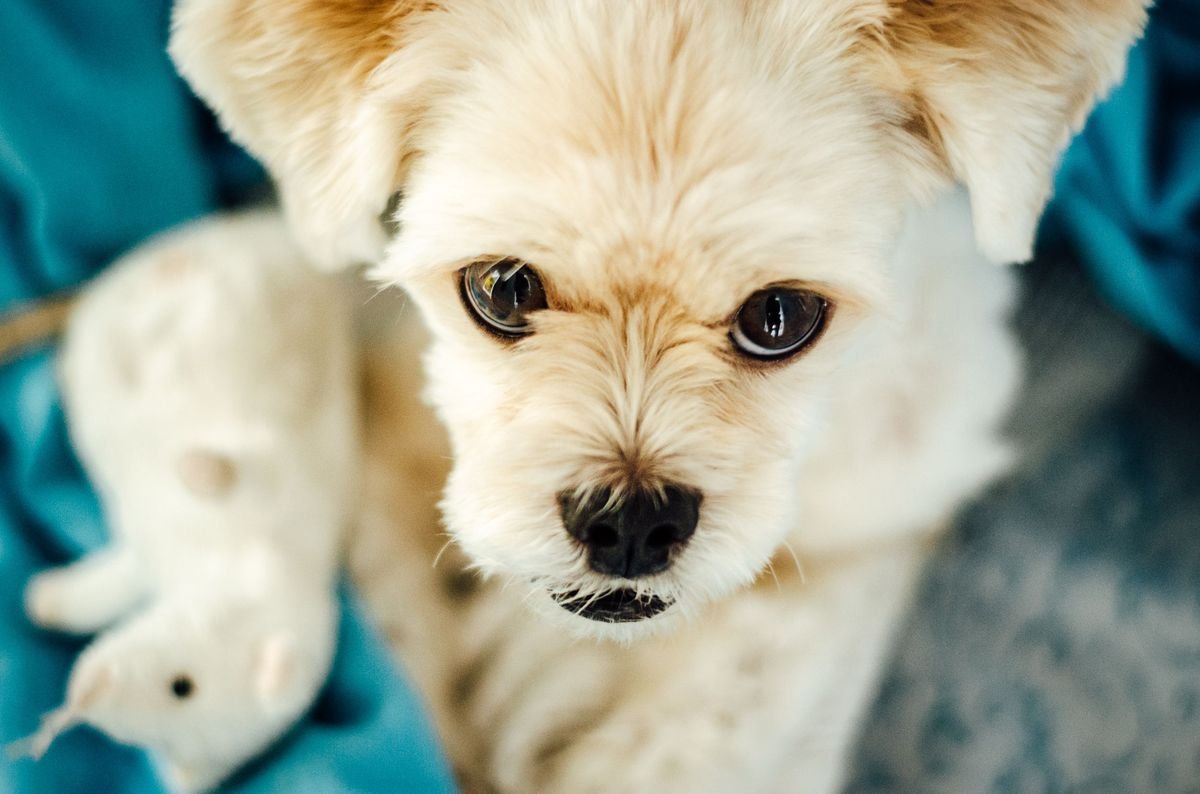
Yes, dogs can get styes on their eyes just like humans. A stye, medically known as a hordeolum, is a red, painful lump that forms on the eyelid. It happens when an oil gland near the eyelash follicle becomes infected. While styes are usually not serious, they can be uncomfortable for your dog. Understanding the causes, symptoms, and proper treatment can help you manage the condition and know when to see a veterinarian.
What Is a Stye in Dogs?
A stye is a small, red bump that appears on the edge of the eyelid. It looks similar to a pimple and can be tender to the touch. Styes occur when bacteria infect the meibomian glands (oil glands) at the base of the eyelashes. In dogs, styes are most often caused by Staphylococcus bacteria. They can develop on the upper or lower eyelid, and sometimes more than one stye appears at a time.
It is important to distinguish a stye from other eye conditions. A chalazion, for example, is a blocked oil gland that is not infected and is usually painless. Conjunctivitis (pink eye) causes redness and discharge but does not form a distinct lump. A stye is specifically a localized infection with pus formation.
Causes of Styes in Dogs
The primary cause of a stye is a bacterial infection. However, certain factors can increase your dog’s risk. Poor eyelid hygiene allows bacteria to accumulate. Dogs with skin conditions like blepharitis (inflammation of the eyelids) are more prone to styes. Allergies, which cause rubbing and scratching, can introduce bacteria. Additionally, dogs with long or droopy eyelids may have more problems with drainage and lubrication.
Styes are not contagious between dogs or from dogs to humans. They develop from a dog’s own bacterial flora. However, if your dog has recurring styes, it may signal an underlying issue such as a weakened immune system or a chronic eye condition.
Common Symptoms of a Stye in Dogs
If your dog has a stye, you may notice one or more of these signs: a small red or white bump on the eyelid, swelling around the eye, discharge that is clear or yellowish, squinting or blinking excessively, rubbing the eye against furniture or with a paw, and sensitivity to light. Your dog might also show mild discomfort or paw at the area.
Most styes are not painful unless touched. However, if the infection spreads, the entire eyelid may become swollen and red. In severe cases, the eye itself can become irritated. Always monitor the size and appearance of the bump. If it grows quickly or your dog seems to be in pain, consult a vet.
How to Treat a Stye in Dogs at Home
For a simple stye, home care is often effective. The most important treatment is applying warm compresses. Soak a clean cloth in warm water, wring it out, and hold it gently against your dog’s closed eye for 5 to 10 minutes, three to four times a day. The warmth helps drain the gland and speeds healing. You can also use a warm tea bag (black tea is fine) as a compress, as the tannins may have mild anti-inflammatory properties.
Never try to pop or squeeze a stye. Doing so can spread the infection deeper into the eyelid or into the eye itself. Keep the area clean by gently wiping away any discharge with a damp cloth. Prevent your dog from rubbing the eye. An Elizabethan collar may be necessary if your dog keeps pawing at the face.
When to See a Veterinarian
Most styes resolve within a few days with home treatment. But you should see a vet if: the stye does not improve after 5 to 7 days, the swelling gets worse, your dog seems to be in significant pain, the eye itself becomes red or cloudy, or your dog stops eating or seems lethargic. Also seek immediate care if your dog’s vision appears affected or if the stye bleeds.
Veterinary treatment may include antibiotic ointment or oral antibiotics to clear the infection. In rare cases, a vet might need to lance and drain a stye under local anesthesia. They can also check for underlying conditions like blepharitis or dry eye that could be contributing to recurrent styes.
Preventing Styes in Dogs
Good hygiene is the best prevention. Regularly clean your dog’s face, especially the area around the eyes. Use a damp cloth to wipe away tear stains and debris. If your dog has long hair around the eyes, keep it trimmed to reduce irritation. Maintain a healthy diet to support the immune system. For dogs prone to allergies, manage triggers and keep them from rubbing their eyes.
Check your dog’s eyes daily for any signs of redness, swelling, or discharge. Early detection makes treatment easier. If your dog has had styes before, ask your vet about using a gentle eyelid cleanser specifically made for dogs.
Can Styes in Dogs Be a Sign of a Deeper Problem?
Occasional styes are not worrisome. However, frequent or recurring styes may indicate an underlying issue. Conditions like blepharitis, meibomian gland dysfunction, or seborrhea can predispose a dog to styes. Dry eye (keratoconjunctivitis sicca) reduces tear production, allowing bacteria to thrive. Immune-mediated diseases can also cause recurrent infections.
If your dog gets styes often, a veterinary ophthalmologist can perform tests to rule out these conditions. They may recommend long-term management with eyelid cleansers, tear supplements, or anti-inflammatory medications.
Key Takeaways
Dogs do get styes on their eyes, and they are usually harmless. A stye is a bacterial infection of an eyelid gland that forms a red bump. Warm compresses and good hygiene help most styes heal within a week. Never pop a stye, and see a vet if it does not improve or if your dog shows signs of pain or vision changes. Prevent styes by keeping your dog’s face clean and addressing any underlying health issues.