
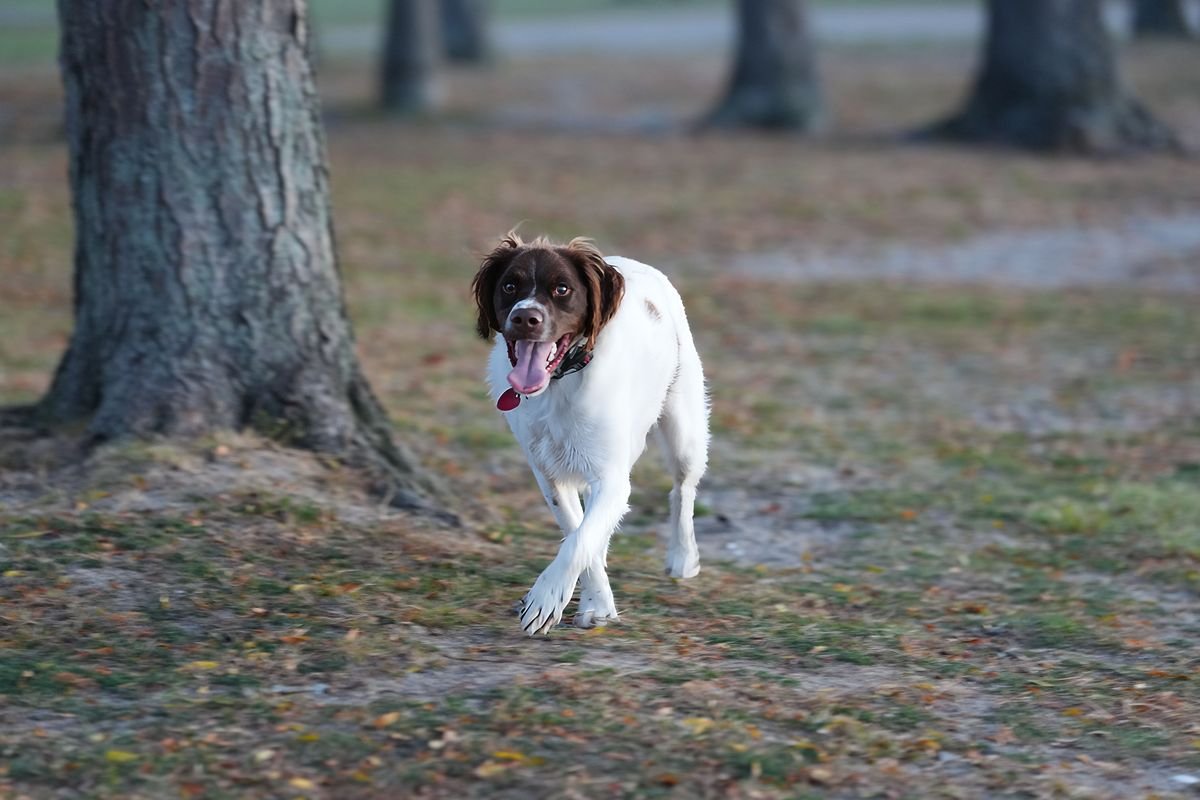
If you are considering adding a Brittany to your family, one common question is whether they shed. The short answer is yes, Brittany dogs do shed, but not excessively. They are considered moderate shedders, meaning you will find some loose hair around your home, but it is manageable with regular grooming.
Brittany dogs have a single coat that is fine, dense, and either flat or wavy. Unlike double-coated breeds, they lack a thick undercoat, which reduces the volume of shedding. However, they still lose hair year-round, with heavier seasonal blows in spring and fall. Understanding their shedding patterns and grooming needs helps keep your home cleaner and your dog healthier.
Brittany Dog Coat Type and Shedding Level
The Brittany’s coat is a single layer of fine, dense hair that lies close to the body. It is not a heavy shedder compared to breeds like Labrador Retrievers or German Shepherds. The American Kennel Club describes the coat as ‘fine and dense, flat or wavy, never curly.’ This texture means loose hair can become trapped in the coat before falling out, so regular brushing is essential.
Shedding level: moderate. On a scale of 1 (no shedding) to 10 (heavy shedding), Brittanys rank about a 5 or 6. They are not hypoallergenic but produce less dander than heavy shedders.
Seasonal Shedding Patterns
Like most dogs, Brittanys shed more during seasonal transitions. In spring, they lose their thicker winter coat to prepare for warmer weather. In fall, they shed summer hair to make way for a denser winter coat. During these times, you may notice increased loose hair on furniture and clothing.
Indoor Brittanys may shed more consistently year-round due to artificial lighting and temperature control, but seasonal peaks still occur. Expect heavier shedding for about 2 to 3 weeks each season.
Factors That Influence Shedding
Several factors affect how much a Brittany sheds:
Grooming Tips to Manage Shedding
Regular grooming is key to keeping loose hair under control. For a Brittany, brushing 2 to 3 times per week is sufficient outside of heavy shedding seasons. During seasonal blows, daily brushing helps remove dead hair before it lands on your floors.
Use a slicker brush or a rubber curry brush to capture loose hair from the topcoat. A deshedding tool (like a Furminator) can be used carefully once a week during peak shedding. Avoid excessive force to avoid skin irritation.
Bathing every 4 to 6 weeks with a gentle dog shampoo helps remove loose hair and dander. Follow with a conditioner to keep the coat moisturized. After bathing, thorough brushing when the coat is dry further reduces shedding.
Do Brittanys Shed More Than Other Breeds?
Compared to breeds like the Border Collie or Australian Shepherd, Brittanys shed less because they lack a thick undercoat. They shed more than low-shedding breeds such as Poodles or Bichon Frises. Among sporting breeds, they are on the lower end of the shedding spectrum, similar to Vizslas and Weimaraners.
If you are concerned about allergies, no dog is truly hypoallergenic, but Brittanys produce less dander and shed less with regular grooming.
Living With a Brittany and Shedding
Brittany dogs are active, affectionate, and generally clean. Their single coat does not trap dirt as much as double coats, so they do not bring in as much outdoor debris. Frequent vacuuming and washing of bedding can keep shedding manageable.
Consider using furniture covers or washable throws on couches. A good quality air purifier can reduce airborne dander. Accepting that some hair is part of the package makes life with a Brittany more enjoyable.
Frequently Asked Questions About Brittany Shedding
Do Brittany dogs shed a lot? No, they are moderate shedders. Expect some hair but not constant clumps.
Are Brittanys good for allergy sufferers? They are not hypoallergenic but are better than many breeds due to lower dander and shedding.
Do Brittanys need haircuts? Their coat is not meant to be clipped except for sanitary trims. Over-clipping can damage the texture and natural protection.
How do I reduce Brittany shedding? Regular brushing, a healthy diet, and controlling parasites are the most effective ways.