
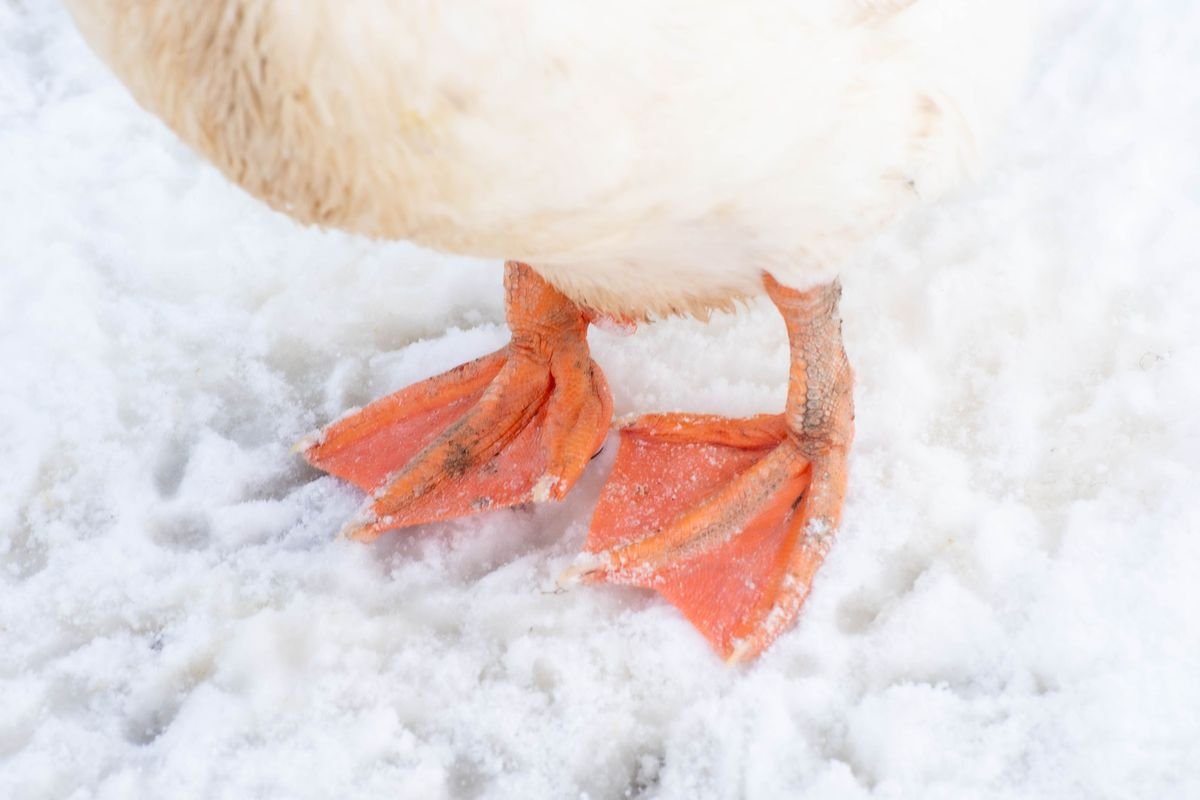
If you have ever looked closely at your dog’s paws, you may have noticed a thin flap of skin between the toes. This is called webbing, and it is more prominent in some breeds than others. But do all dogs have webbed toes? The short answer is: yes, all dogs have some degree of webbing between their toes. However, the amount and functionality of that webbing vary significantly from breed to breed.
In this article, we will explore the anatomy of dog paws, which breeds have the most webbing, why some dogs have more than others, and how this trait helps certain working dogs perform their jobs. By the end, you will understand why webbed toes are not just a quirk but an evolutionary adaptation that has been selectively bred for specific purposes.
What Does Webbed Toes Mean in Dogs?
Webbed toes refer to skin that connects the toes, extending partially or fully between the digits. In dogs, this webbing is not as pronounced as in ducks or frogs, but it is present in all breeds to some extent. The webbing is made of skin and connective tissue, and it helps distribute the weight of the paw and provides traction on soft or uneven surfaces.
All dog paws have a small amount of webbing at the base of the toes. The difference lies in how far the webbing extends toward the tips of the toes. In breeds bred for swimming or working in marshes, the webbing often reaches closer to the nail, giving them a paddle-like foot.
Dog Breeds With the Most Webbed Toes
Some dog breeds are famous for their well-developed webbed feet. These breeds were historically used for water retrieval, fishing, or hunting in wet environments. Here are the most notable examples:
Do All Dog Breeds Have the Same Amount of Webbing?
No. While all dogs have some webbing at the base of their toes, the extent varies widely. In breeds not specifically bred for aquatic work, the webbing is minimal and does not extend far from the toe base. For example, sight hounds like Greyhounds or Whippets have very little webbing because they were bred for running on dry land, where extra skin between toes could hinder speed or cause injury. Similarly, many toy and companion breeds have only the basic genetic webbing present in all canids.
The Evolutionary Purpose of Webbed Toes in Dogs
Webbed toes are an evolutionary adaptation that helped ancestral dogs survive in varying environments. The common ancestor of modern dogs probably had moderate webbing that aided in walking on soft ground, digging, and swimming. As humans selectively bred dogs for specific tasks, the webbing became more pronounced in water-loving breeds and less so in those used for speed or digging.
Webbing provides several benefits:
– Improved swimming ability: The extra surface area pushes more water, increasing propulsion.
– Better traction on mud and sand: The skin spreads the weight and prevents sinking.
– Increased stability on uneven terrain: Webbing helps the paw conform to the ground.
– Protection for the foot pads: The webbing can act as a barrier against sharp objects and cold surfaces.
Can Webbed Toes Be a Health Concern?
In most dogs, webbed toes are perfectly normal and not a cause for concern. However, if you notice excessive webbing that extends far up the toe, or if the webbing appears to be fused or causing the toes to spread abnormally, it could be a sign of a condition called syndactyly. This is when two or more toes are fused together by skin or bone. While syndactyly is rare and often harmless, it can sometimes lead to discomfort or difficulty walking.
If your dog has webbing that seems unusual, or if you notice redness, swelling, or odor between the toes, it is best to consult a veterinarian. They can rule out infections, allergies, or other issues. Routine paw care, such as keeping the hair trimmed between the toes and checking for debris, can prevent problems in breeds with heavy webbing.
How to Care for Your Dog’s Webbed Paws
Regardless of how much webbing your dog has, proper paw care is essential. For breeds with significant webbing, keep the area dry after swimming or bathing to prevent skin infections. Regularly check for cuts, thorns, or ice balls between the toes. Trim the hair around the paw pads to keep the webbing visible and clean. Use a paw balm in extreme weather to prevent cracking.
Exercise caution when walking on hot pavement or rough terrain, as the webbing can be sensitive. With proper care, your dog’s webbed toes will remain healthy and functional, whether they are paddling in a lake or simply playing fetch in the backyard.