
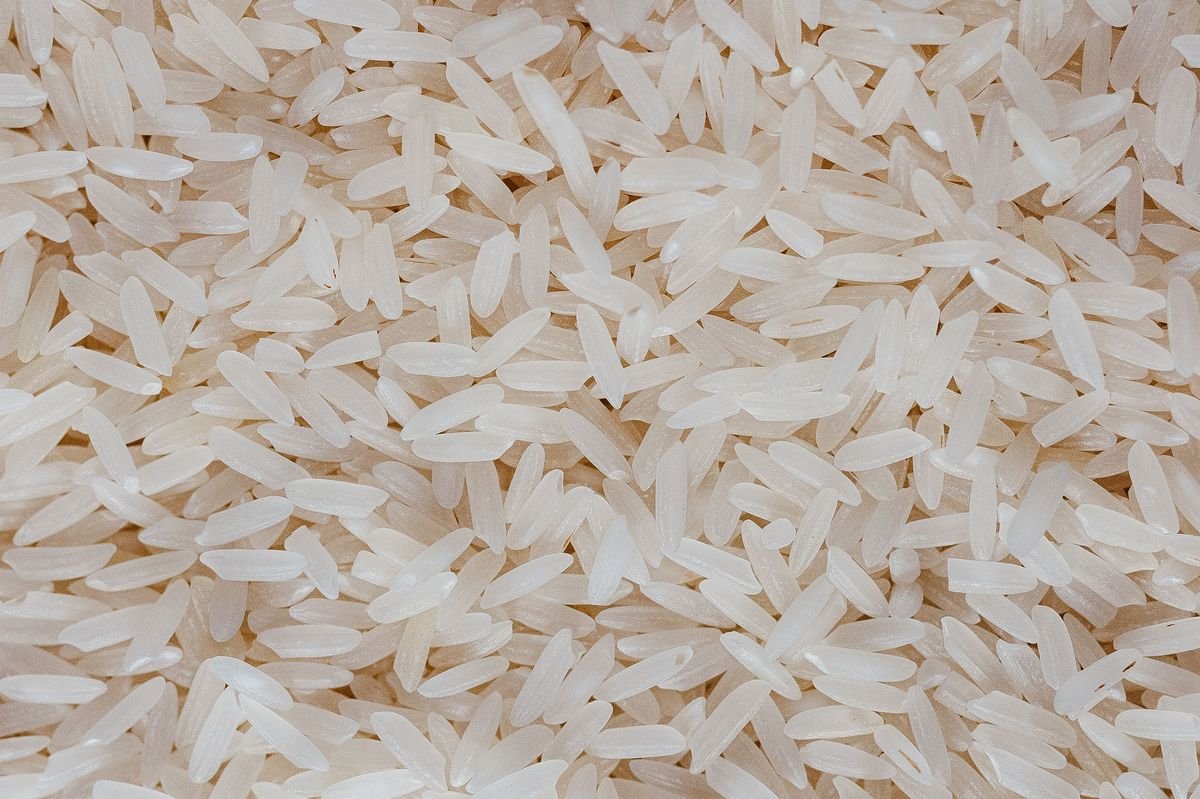
Many dog owners wonder about sharing human foods with their pets, and rice is a common question. While cooked rice is often recommended for dogs with upset stomachs, uncooked rice is a different story. The short answer is that dogs should not eat uncooked rice. Raw rice poses several health risks, including digestive problems and potential choking hazards. This article explains why uncooked rice is dangerous for dogs, what to do if your dog eats it, and how to safely prepare rice for your canine companion.
Why Uncooked Rice Is Unsafe for Dogs
Uncooked rice is hard, dry, and difficult to digest. A dog’s digestive system is not designed to break down raw grains effectively. When a dog eats raw rice, the grains expand in the stomach due to moisture absorption. This can lead to bloating, discomfort, and in severe cases, gastric dilation volvulus (bloat), which is a life-threatening emergency.
Additionally, raw rice may contain naturally occurring lectins and other antinutrients that can interfere with digestion and nutrient absorption. These compounds are significantly reduced by cooking.
Choking and Blockage Hazards
Uncooked rice grains are small but hard. They can easily become lodged in a dog’s throat, especially in small breeds. Even if swallowed, the gritty texture can irritate the esophagus and stomach lining. Larger amounts of raw rice can clump together and form a mass, potentially causing an intestinal obstruction. Symptoms include vomiting, abdominal pain, lethargy, and loss of appetite. Obstruction often requires surgical intervention.
Risk of Digestive Upset
Because uncooked rice is tough to digest, it can cause gastrointestinal issues such as gas, bloating, diarrhea, or constipation. The expanding grains can cause stomach distension, leading to discomfort. Dogs with sensitive stomachs or underlying health issues are at higher risk. Even a small amount of raw rice can trigger vomiting or diarrhea in some dogs.
What to Do If Your Dog Eats Uncooked Rice
If your dog accidentally ingests a small amount of uncooked rice, monitor them closely for signs of distress. Most healthy adult dogs will pass small quantities without serious issues. Encourage fresh water to help the rice soften in the stomach. However, if your dog shows symptoms like vomiting, excessive drooling, abdominal pain, or difficulty passing stool, contact your veterinarian immediately.
For larger amounts, especially in small or toy breeds, it is best to seek veterinary advice right away. The vet may induce vomiting or recommend observation. Do not attempt to force your dog to vomit at home without professional guidance, as raw rice could cause more harm coming up.
Benefits of Cooked Rice for Dogs
Cooked rice, particularly white rice, is often recommended for dogs with digestive issues. It is easily digestible and can help bind stools during bouts of diarrhea. Brown rice retains more fiber and nutrients, but it is also harder to digest; it should be served in moderation. Always cook rice thoroughly without any seasonings, oils, or additives. Plain, cooked rice can be a gentle addition to a bland diet.
Cooked rice is safe in moderate amounts. It should not replace a balanced commercial diet but can be a healthy occasional treat or meal component. Portion size depends on your dog’s size and activity level. A general guideline is no more than 10% of daily caloric intake from treats or extras.
How to Safely Prepare Rice for Dogs
Use plain white or brown rice. Rinse the rice first to remove excess starch, then cook according to package directions with water. Do not add salt, butter, oil, or any flavorings. Once cooked, allow it to cool completely before serving. Fluff with a fork to break up clumps. For extra safety, you can puree or mash the rice for small dogs or those with dental issues. Always introduce any new food gradually to watch for adverse reactions.
Alternatives to Uncooked Rice
If you are looking for a raw or crunchy treat for your dog, there are safer options than uncooked rice. Consider offering raw vegetables like carrots, cucumber slices, or apple pieces (without seeds). These provide crunch and nutrients without the expansion risk. Commercial dental chews or bones can also satisfy your dog’s desire to chew. Always supervise your dog when offering any treat.
Frequently Asked Questions
Can dogs eat rice cereal? Plain, cooked rice cereal made for babies is safe for dogs in small amounts, as long as it contains no additives. Is wild rice safe? Wild rice is safe when cooked, but it is more fibrous and should be given in small quantities. Can dogs eat rice cakes? Plain, unsalted rice cakes are generally safe in moderation, but check for flavorings. Can puppies eat rice? Puppies can eat cooked rice after weaning, but always consult your vet first.
Final Verdict
Uncooked rice is not recommended for dogs due to the risks of digestive upset, bloating, choking, and potential intestinal blockage. Stick to plain, cooked rice as a safe and beneficial treat. If your dog accidentally ingests raw rice, watch for symptoms and contact your vet if concerns arise. A balanced diet and safe treats will keep your furry friend happy and healthy.