
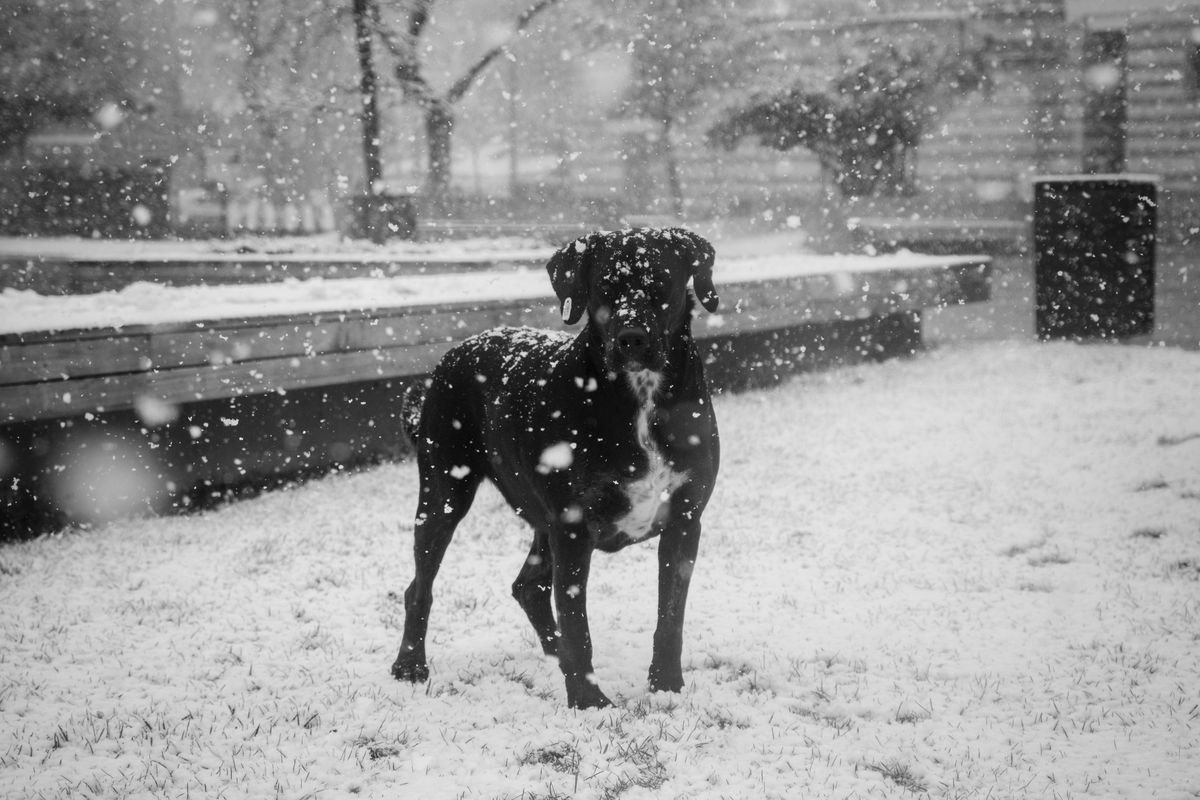
Winter brings snow-covered yards and plenty of opportunities for dogs to play. Many pet owners have seen their dogs scoop up mouthfuls of snow during a walk or play session. But can dogs eat snow safely? The short answer is that snow is generally not toxic to dogs, but there are important considerations to keep in mind.
Snow is simply frozen water, so eating a small amount is unlikely to cause harm. However, snow can contain contaminants, ice chunks, or chemicals that may pose risks. Understanding these factors will help you decide when it’s okay to let your dog indulge and when you should intervene.
Is Snow Safe for Dogs to Eat?
Pure snow, made from clean rainwater or snowfall, is essentially water. Dogs can eat small amounts without issue. But the safety of snow depends on where it falls and what it collects. Snow that has been lying on the ground may pick up dirt, road salt, antifreeze, pesticides, or other chemicals. These contaminants can cause stomach upset or more serious health problems.
In moderation, clean snow is not dangerous. The main concerns are quantity and quality. A few licks here and there are fine. But if your dog eats large amounts, it could lead to digestive upset or even hypothermia because of the drop in body temperature from ingesting cold material.
Potential Risks of Dogs Eating Snow
While snow itself is not toxic, several risks come with snow consumption. Pet owners should watch for these issues.
When Is It Okay for Dogs to Eat Snow?
There are times when letting your dog enjoy a little snow is perfectly fine. Clean, fresh snow that has just fallen in an area free of chemicals and debris is generally safe. If your dog snatches a few mouthfuls while running in an open field or backyard, there is usually no need to panic.
Snow can also be a source of hydration in a pinch (though you should always provide fresh water, as snow is not sufficient). Some dogs simply find snow fun to eat and it adds enrichment to their play. The key is moderation and supervision.
Signs Your Dog Should Not Eat Snow
Some dogs are more sensitive to snow than others. Watch for these signs that indicate snow consumption is a problem:
– Vomiting or diarrhea shortly after eating snow.
– Excessive drooling or pawing at the mouth (could signal ice stuck to teeth or mouth injuries).
– Shivering or lethargy (signs of hypothermia).
– Loss of appetite or abdominal bloating.
If any of these occur, stop allowing snow access and contact your veterinarian if symptoms persist.
Healthy Alternatives to Snow for Dogs
If you prefer not to let your dog eat snow, there are safe alternatives. Provide fresh water frequently during outdoor play. You can also offer ice cubes made from filtered water (supervised, only a few at a time). Some dogs enjoy frozen broth cubes as a treat. These options are cleaner and free from contaminants.
Zylkene or other calming supplements are not related, but ensure your dog has safe chew toys to occupy them instead of munching snow.
What to Do If Your Dog Eats Harmful Snow
If your dog ingests snow that might contain chemicals or a large amount, monitor them closely. Symptoms of toxicity can include vomiting, diarrhea, excessive thirst, disorientation, or seizures. If you suspect antifreeze poisoning, this is a veterinary emergency. Call your vet or a pet poison helpline immediately.
For milder cases, offer fresh water and watch for digestive signs. A bland diet of boiled chicken and rice for a day can help settle the stomach. But when in doubt, always consult a professional.
Final Thoughts on Dogs and Snow
Allowing your dog to eat a little clean snow usually poses no serious risk. The main dangers come from contaminants, physical hazards, and overconsumption. Use common sense: keep your dog away from treated snow, supervise their play, and limit the amount they eat. If you have concerns about your dog’s health or if they have a medical condition, ask your veterinarian for personalized advice.
Winter walks and snow play can be joyful for both you and your pup. By being aware of the potential risks, you can ensure that the fun remains safe.