
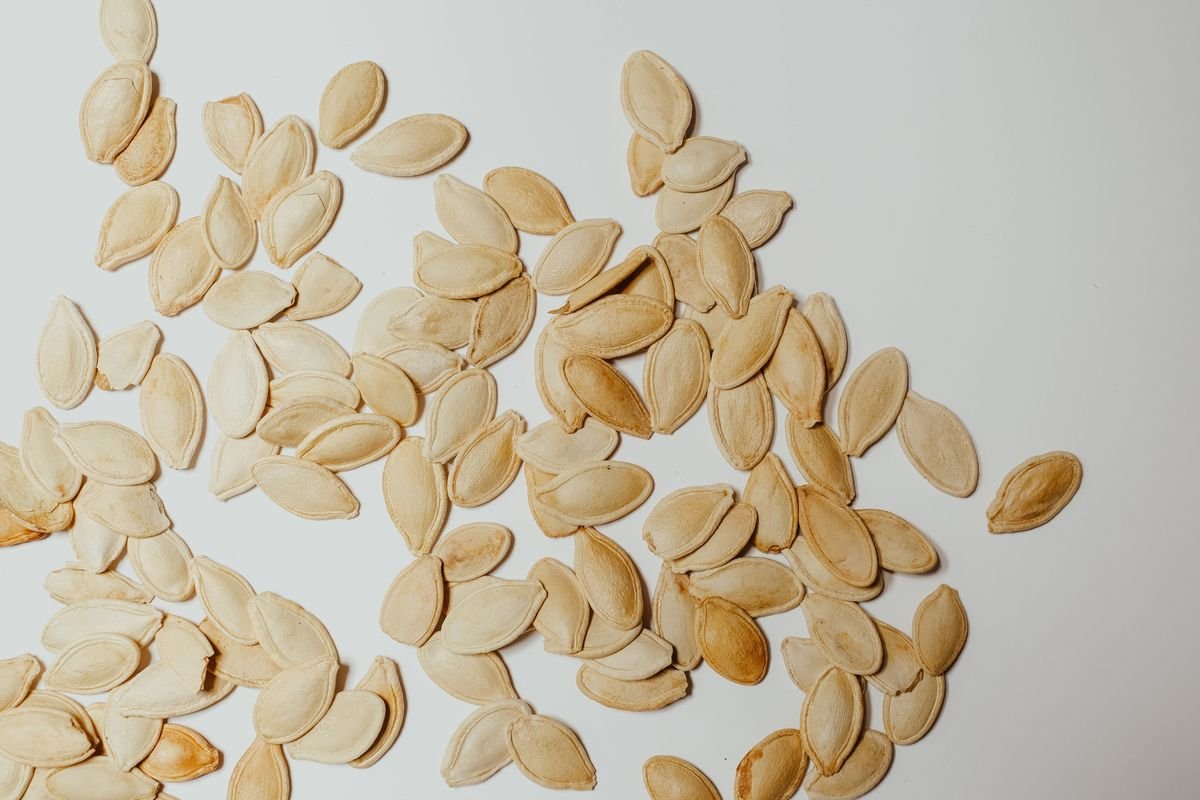
Many dog owners wonder if it is safe to share pumpkin seeds with their pets. The short answer is yes, dogs can eat pumpkin seeds, but there are important precautions to take. When prepared correctly, pumpkin seeds can be a nutritious snack that offers several health benefits. However, feeding them improperly or in excess can cause problems. This guide covers everything you need to know about giving pumpkin seeds to your dog.
Are Pumpkin Seeds Safe for Dogs?
Pumpkin seeds are generally safe for dogs to eat. They are not toxic and can be a healthy addition to your dog’s diet when fed in moderation. However, the seeds must be prepared properly. Raw, unsalted pumpkin seeds are best. Avoid seeds that are roasted with salt, oil, or other seasonings, as these can be harmful to dogs. Also, pumpkin seeds should be given plain and, ideally, ground or crushed to prevent choking or digestive issues.
Health Benefits of Pumpkin Seeds for Dogs
Pumpkin seeds are packed with nutrients that can support your dog’s health. They contain fiber, healthy fats, protein, and several essential vitamins and minerals.
Risks and Precautions
While pumpkin seeds are safe, there are some risks to keep in mind. Overfeeding can lead to digestive upset such as gas, bloating, or diarrhea. The high fat content may contribute to obesity or pancreatitis in susceptible dogs if fed in large amounts. Whole seeds can pose a choking hazard, especially for small dogs. They can also cause intestinal blockage if swallowed without chewing. Always grind or crush the seeds before serving, or buy seed powder. Additionally, never feed pumpkin seeds that are salted, flavored, or coated in oil or sugar. These additives can be toxic or cause pancreatitis.
How to Prepare Pumpkin Seeds for Dogs
Proper preparation is key to making pumpkin seeds safe and digestible for your dog. Start with raw, unshelled pumpkin seeds (the white outer shell is fine). Rinse them to remove any pulp. You can serve them raw or lightly roasted at a low temperature (without oil or salt) to enhance flavor. However, roasting reduces some nutrients. The most important step is to grind or crush the seeds into a powder or smaller pieces. This makes them easier to digest and prevents choking. You can use a food processor, blender, or mortar and pestle. The powder can be sprinkled over your dog’s regular food.
How Many Pumpkin Seeds Can a Dog Eat?
The serving size depends on your dog’s size. A general guideline is to start with a small amount and observe for any adverse reactions. For small dogs (under 10 pounds), give about 1/4 teaspoon of ground pumpkin seeds per day. For medium dogs (10-30 pounds), 1/2 teaspoon daily. For large dogs (over 30 pounds), up to 1 teaspoon per day. These are rough estimates. If your dog has any health conditions, especially pancreatitis or obesity, consult your veterinarian before introducing pumpkin seeds. Do not exceed these amounts, as too much can cause digestive issues.
Other Pumpkin Treats for Dogs
Pumpkin itself is also a healthy treat. Canned pumpkin (not pumpkin pie filling) is a good source of fiber and can help with both diarrhea and constipation. Pumpkin puree can be mixed into your dog’s food or frozen in small treats. Pumpkin stems and leaves should not be fed, as they can be rough and difficult to digest. Stick to the flesh and seeds. Always introduce new foods gradually and in small amounts to avoid upsetting your dog’s stomach.
Conclusion
Pumpkin seeds can be a healthy, nutritious snack for dogs when prepared and served correctly. They offer fiber, healthy fats, and important minerals. However, they should always be ground or crushed, served plain, and given in moderation. Watch for any signs of digestive upset and adjust accordingly. As with any new food, consult your veterinarian, especially if your dog has underlying health issues. With proper precautions, pumpkin seeds can be a beneficial addition to your dog’s diet.