
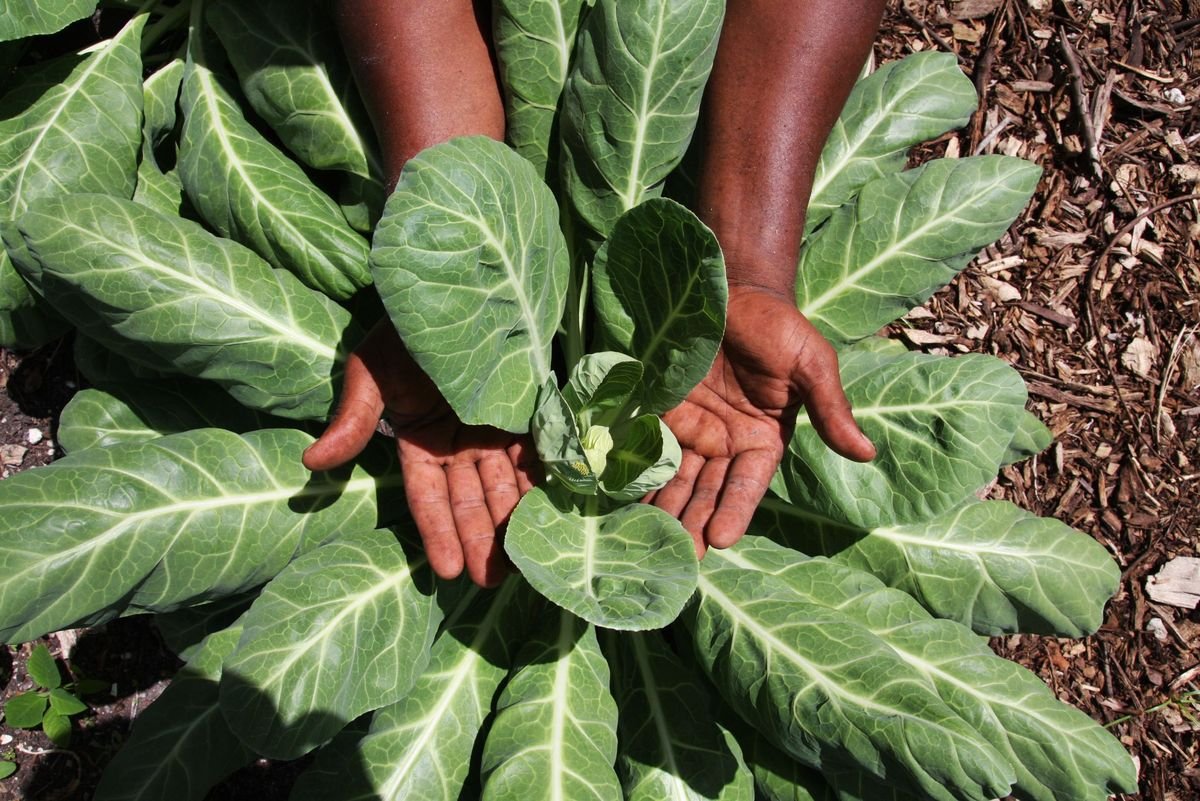
If you’re a dog owner who enjoys collard greens, you may have wondered whether your furry friend can share this leafy green. The short answer is yes, dogs can eat collards in moderation, but there are important precautions to consider.
Collards are packed with nutrients that can benefit your dog, but they also contain compounds that may cause issues if fed improperly or in large amounts. This article covers everything you need to know about feeding collards to dogs safely.
Are Collards Safe for Dogs?
Collard greens are safe for dogs when prepared correctly and given in appropriate amounts. They are non-toxic and can be a healthy addition to your dog’s diet. However, like many human foods, they should only be fed as an occasional treat and not as a staple.
The key is moderation and proper preparation. Raw collards are tough and harder to digest, while cooked collards (without added salt, oils, or seasonings) are more palatable and easier on your dog’s digestive system.
Health Benefits of Collards for Dogs
Collards offer several nutritional benefits that can support your dog’s overall health. They are low in calories but rich in essential vitamins and minerals.
Potential Risks of Feeding Collards to Dogs
While collards are generally safe, there are some risks to be aware of, especially if fed in large quantities or without proper preparation.
How to Prepare Collards for Your Dog
Proper preparation is crucial to make collards safe and digestible for dogs. Follow these steps:
First, wash the collard leaves thoroughly to remove any pesticides or dirt. Remove the tough stems, as they can be a choking hazard and are difficult to chew. Chop the leaves into small, bite-sized pieces to prevent choking and aid digestion.
Steaming or boiling collards until soft is the best cooking method. Do not add any salt, butter, oil, garlic, or onions, as these can be harmful to dogs. Plain, cooked collards are the safest option. Allow them to cool before serving.
How Much Collards Can Dogs Eat?
The serving size depends on your dog’s size and tolerance. As a general guideline:
– Small dogs (under 20 lbs): one to two small leaf pieces (about a tablespoon)
– Medium dogs (20-50 lbs): two to three small leaf pieces
– Large dogs (over 50 lbs): up to half a cup of chopped collards
Collards should only be a treat, making up no more than 10% of your dog’s daily calorie intake. Start with a tiny amount and watch for any adverse reactions. If your dog experiences vomiting, diarrhea, or excessive gas, stop feeding collards and consult your vet.
Can Dogs Eat Collard Greens Raw?
Technically, dogs can eat raw collard greens, but it is not recommended. Raw collards are very tough and fibrous, making them difficult to digest. They can also pose a choking hazard, especially for small dogs. Cooking softens the leaves and breaks down some of the tough cell walls, making nutrients more accessible and reducing the risk of gastrointestinal upset.
If you choose to feed raw collards, chop them very finely and introduce in tiny amounts. However, cooked collards are the safer and more beneficial option.