
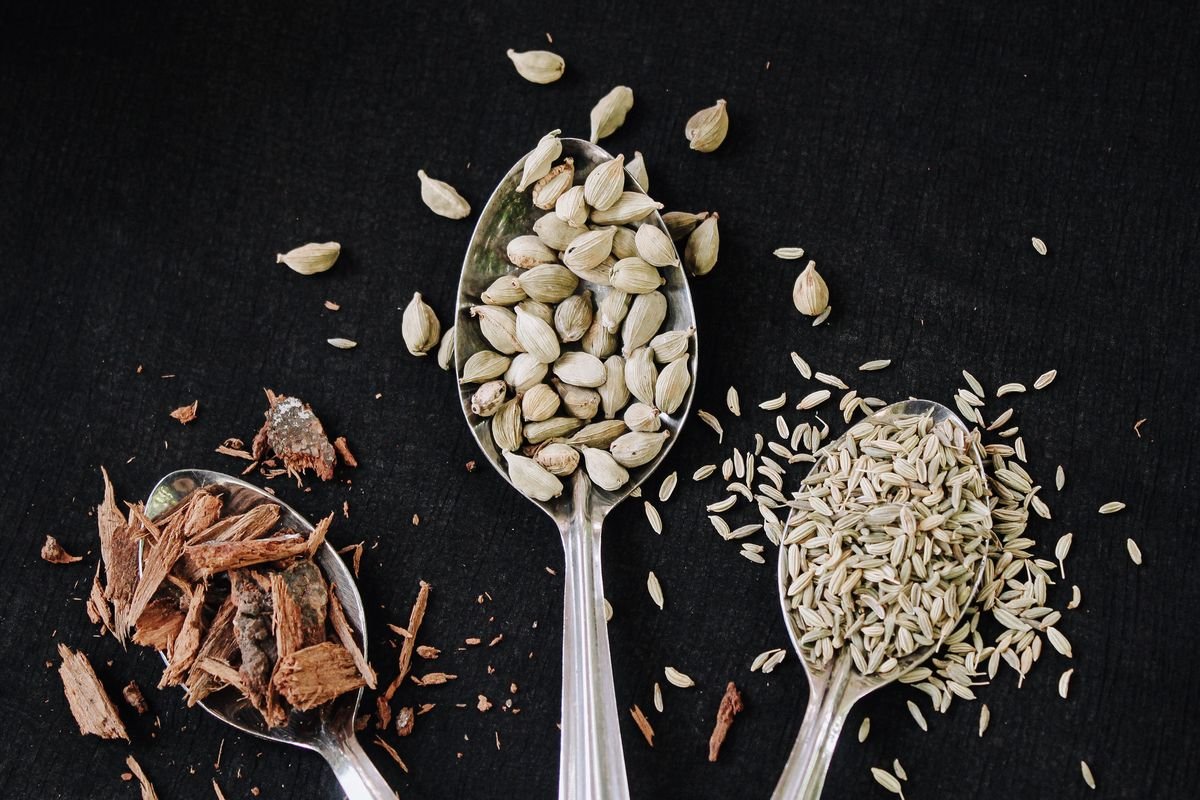
Cardamom is a popular spice known for its aromatic flavor and potential health benefits in humans. But if you are a dog owner, you might wonder: can dogs eat cardamom? The short answer is yes, in very small amounts, cardamom is generally safe for dogs. However, there are important caveats to consider before adding this spice to your dog’s diet. This article explores the safety, benefits, and risks of feeding cardamom to your canine companion.
What Is Cardamom?
Cardamom is a spice that comes from the seeds of plants in the ginger family, native to India and other tropical regions. It is commonly used in both sweet and savory dishes as well as in teas and traditional medicine. Cardamom contains compounds like cineole, limonene, and terpinene, which give it its distinctive flavor and potential health effects.
Potential Benefits of Cardamom for Dogs
Some pet owners consider cardamom for its reported benefits. It is thought to have antioxidant and anti-inflammatory properties. In small amounts, it may aid digestion and freshen breath. However, scientific evidence in dogs is lacking. The benefits are largely anecdotal and extrapolated from human studies. If you decide to offer cardamom, it should never replace veterinary care.
Risks and Side Effects of Cardamom for Dogs
Despite potential benefits, cardamom poses risks, especially in larger quantities. The main concerns include:
Essential oils in cardamom can cause gastrointestinal upset, including vomiting and diarrhea. Some dogs may be allergic to spices. Cardamom contains compounds that may lower blood sugar, which could be dangerous for diabetic dogs or those on medication. It also has a mild blood-thinning effect, so dogs with bleeding disorders or those about to have surgery should avoid it. Lastly, the pods are not digestible and can cause choking or intestinal blockage if swallowed whole.
Safe Consumption Guidelines
If you want to give your dog cardamom, consult your veterinarian first. Only use ground cardamom, not whole pods. Start with a tiny pinch (less than 1/8 teaspoon) mixed into food for a medium-sized dog. Never give cardamom daily; treat it as an occasional spice. Monitor your dog for any adverse reactions. Puppies, pregnant dogs, and dogs with medical conditions should avoid cardamom entirely.
Symptoms of Cardamom Toxicity
While toxicity is rare, too much cardamom can cause problems. Watch for signs such as:
– Vomiting or diarrhea
– Excessive drooling
– Lethargy or weakness
– Loss of appetite
– Pale gums (sign of bleeding issues)
– Changes in behavior
If your dog shows any of these after eating cardamom, contact your veterinarian immediately. Treatment may involve supportive care or, in severe cases, hospitalization.
Safer Spice Alternatives for Dogs
If you want to add flavor to your dog’s food, consider safer spices like turmeric (in moderation), ginger (small amounts), or cinnamon (avoid cassia cinnamon). Pumpkin puree, plain yogurt (if lactose tolerant), or bone broth are also great options. Always introduce new foods slowly and in small quantities.
Conclusion
In summary, dogs can eat cardamom in very small amounts, but it is not necessary or particularly beneficial. The risks outweigh the rewards for most dogs. It is safer to stick with dog-friendly treats and spices that have more established safety profiles. If you suspect your dog has consumed a large amount of cardamom, seek veterinary care promptly. When in doubt, always err on the side of caution and avoid sharing spicy human foods with your furry friend.