
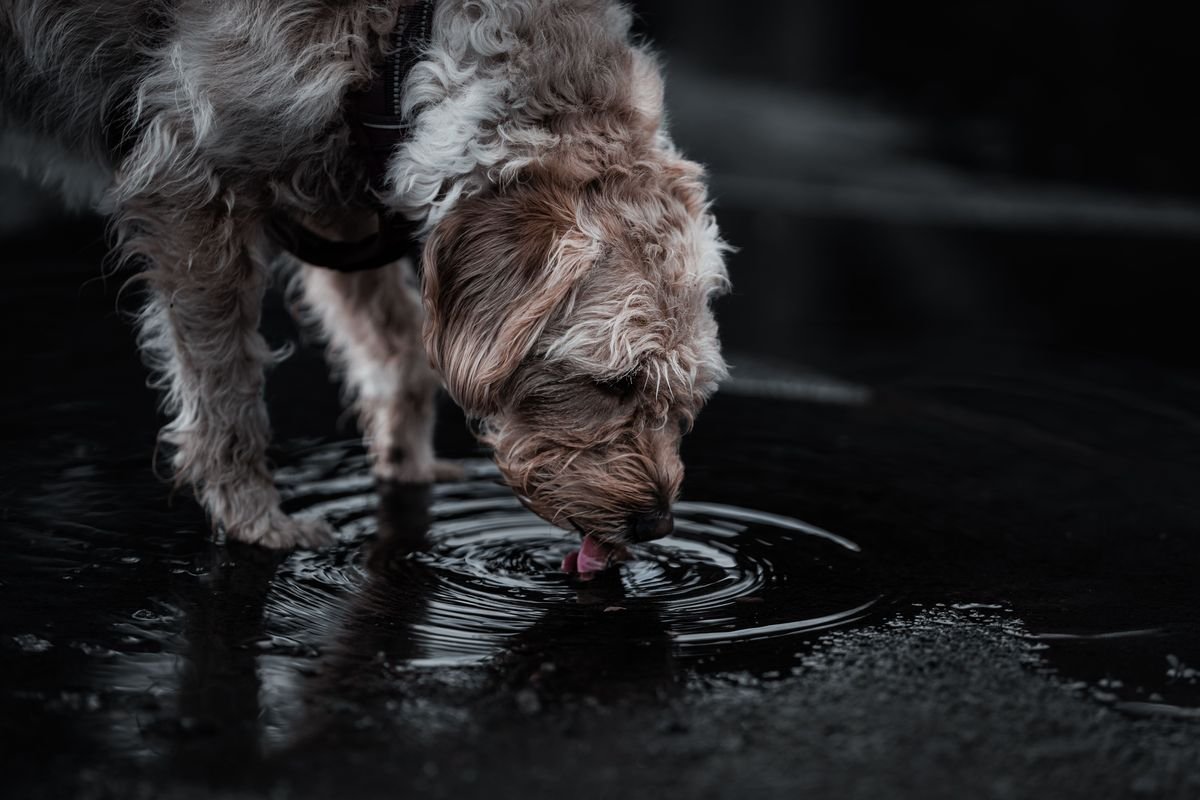
You spot your dog lapping up a puddle after a spring shower and wonder: is it safe? The short answer is that while fresh rain water directly from the sky is generally clean, rain water that has touched the ground or collected in containers can harbor harmful bacteria, parasites, and chemicals. This article breaks down when rain water might be okay for your dog and when you should steer them toward a fresh bowl.
It’s a common sight: a dog excitedly drinking from a puddle or a bucket of rain. But what seems like harmless fun can sometimes lead to an upset stomach or worse. Understanding the potential dangers helps you make an informed decision for your pet’s health.
Is Rain Water Safe for Dogs?
The safety of rain water depends entirely on its source and what it has contacted. Freshly fallen rain that you collect in a clean, covered container and offer to your dog soon after collection is generally safe. Rain water is naturally soft and low in minerals, similar to distilled water. However, once it hits roofs, gutters, lawns, or puddles on the street, it can pick up a variety of contaminants.
Fresh Rain vs. Collected Rain Water
Rain directly from the sky is relatively pure, but it can contain trace pollutants from the atmosphere (like dust, pollen, and industrial emissions). In areas with heavy air pollution, even fresh rain might contain harmful substances. Collected rain water, on the other hand, poses more risks because it accumulates debris, bacteria, and chemicals from surfaces.
Potential Risks of Rain Water for Dogs
Even if the water looks clean, several hidden dangers can lurk in rain water your dog might drink. Understanding these risks helps you decide whether to allow your dog access to rain puddles or buckets.
Bacteria and Parasites
Stagnant puddles and rain barrels are breeding grounds for bacteria like Leptospira, which causes leptospirosis, a serious bacterial infection that can affect dogs and humans. Other pathogens such as Giardia, Cryptosporidium, and E. coli can also contaminate rain water collected from the ground. These can cause vomiting, diarrhea, and dehydration.
Chemical Contaminants
Rain water that runs off roofs can contain tar, asphalt particles, bird droppings, and chemicals from shingles. It may also pick up pesticides, fertilizers, and heavy metals from lawns or gardens. If you have a rain barrel, the water might contain lead from soldered joints or copper from pipes. These contaminants can accumulate over time and harm your dog’s health.
Mold and Algae
Rain water left standing in open containers or puddles can grow mold and blue-green algae (cyanobacteria). Blue-green algae produce toxins that are extremely dangerous to dogs, causing neurological symptoms, liver failure, and even death within hours. If you see a greenish scum on a puddle, keep your dog away.
When Is Rain Water Okay for Dogs?
If you want to give your dog rain water, it is best to collect it in a clean, food-grade container directly from the sky (not off a roof) and use it within 24 hours. Boiling the water can kill most bacteria and parasites, but it won’t remove chemical contaminants. Boiled rain water is similar to distilled water and is safe in moderation. However, for regular hydration, fresh tap water or filtered water is superior.
What to Do If Your Dog Drank Contaminated Rain Water
If your dog drank from a puddle or rain barrel and you are concerned, watch for symptoms such as lethargy, vomiting, diarrhea, loss of appetite, or unusual thirst. Contact your veterinarian immediately if you notice any of these signs, especially if the water could contain blue-green algae or leptospirosis. If your dog seems fine but you are worried, a preventive checkup can provide peace of mind.
Better Alternatives to Rain Water
The safest hydration option for your dog is fresh, clean tap water or filtered water. If you are concerned about tap water quality, use a pet-safe water filter or offer bottled spring water. Avoid giving your dog distilled water exclusively, as it lacks essential minerals. During walks, bring a portable water bottle and bowl to prevent them from drinking from unknown sources. Keeping your dog away from puddles and rain barrels reduces health risks significantly.