
Many dog owners turn to smoked bones as a long-lasting, flavorful chew that keeps their pup busy and helps clean teeth. But are smoked bones safe for dogs? The answer is not straightforward. While smoked bones can offer some benefits, they also carry significant risks that every owner should understand before handing one over.
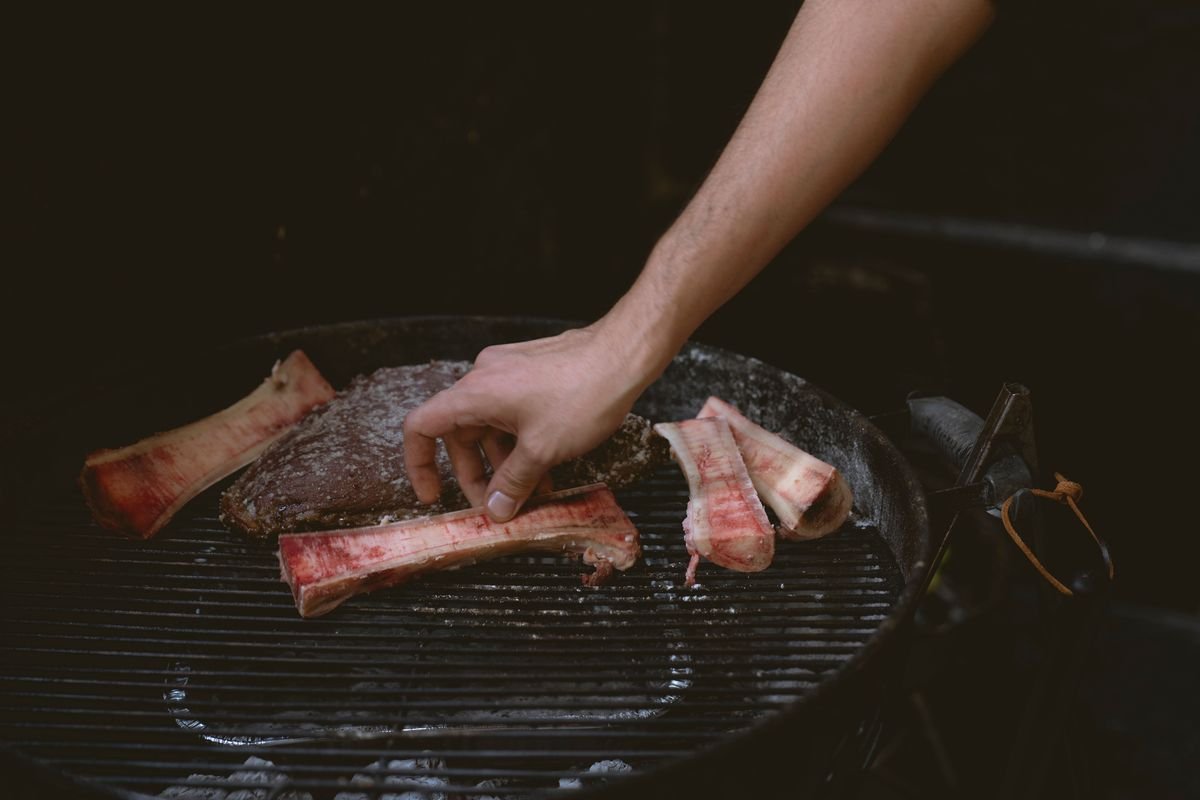
Smoked bones are typically made from beef, bison, or pork bones that have been cooked at low temperatures for hours to infuse smoke flavor and dry them out. Unlike raw bones, which remain pliable, the smoking process hardens the bone, making it more brittle and prone to splintering. This change in texture is where danger often lies.
What Are Smoked Bones and How Are They Made?
Smoked bones are bones that have undergone a smoking process, usually after being cooked at a low temperature. The smoking adds flavor and helps preserve the bone, giving it a longer shelf life. Common sources include beef femur bones, pork knuckles, or bison tibias. The key difference from raw bones is that smoked bones are dry, hard, and brittle, which changes how a dog’s teeth interact with them.
Manufacturers often market smoked bones as ‘natural’ and ‘healthy,’ but the processing can alter the bone’s structure. The heat and smoke remove moisture, making the bone less dense and more likely to crack under pressure. This is a critical point when considering safety.
Potential Benefits of Smoked Bones
Despite the risks, smoked bones do offer some advantages for dogs. They provide mental stimulation and can satisfy a dog’s natural urge to chew. Many dogs find the smoky flavor highly appealing, which can make the bone a rewarding distraction during alone time or travel.
Smoked bones may also help with dental hygiene. The abrasive action of chewing can scrape away plaque and tartar buildup, though it is not a substitute for regular brushing. Additionally, chewing can strengthen jaw muscles and relieve anxiety in some dogs.
The Risks: Are Smoked Bones Dangerous?
The primary concern with smoked bones is their tendency to splinter. Unlike raw bones, which are softer and more flexible, smoked bones become brittle. When a dog bites down with force, the bone can break into sharp shards. These shards can cause a range of injuries.
Common dangers include:
– Mouth and tongue lacerations: Sharp bone fragments can cut gums, the tongue, or the inside of the cheeks.
– Choking: Small pieces may become lodged in the throat.
– Intestinal blockage or perforation: Swallowed fragments can get stuck in the esophagus, stomach, or intestines, requiring emergency surgery.
– Constipation or straining: Bone fragments can compact in the colon, making defecation painful.
– Tooth fractures: Hard smoked bones are a common cause of cracked or broken teeth, especially in aggressive chewers.
Bacterial Contamination
Smoked bones are not sterile. The smoking process may reduce some bacteria, but it does not eliminate all pathogens. Dogs can be exposed to Salmonella, E. coli, or other harmful bacteria from the bone surface. This risk is higher if the bone is not stored properly or if it is left out for extended periods.
Bacterial contamination is not only a danger to dogs but also to humans who handle the bones. Always wash hands after touching smoked bones, and keep them away from food preparation areas.
Nutritional Concerns
Smoked bones are not a balanced food source. They are high in fat from the marrow, which can lead to pancreatitis in sensitive dogs. The calorie content can also contribute to weight gain if given too often. Additionally, consuming too much bone material can cause constipation or create a ‘bone stool’ that is difficult to pass.
How to Offer Smoked Bones More Safely
If you still choose to give your dog a smoked bone, follow these precautions to reduce risk:
– Select the right size: The bone should be larger than your dog’s mouth to prevent swallowing whole. A bone that is too small can become a choking hazard.
– Supervise at all times: Never leave a dog unattended with a smoked bone. Watch for pieces breaking off and remove the bone immediately if it becomes small enough to swallow.
– Limit chewing time: 15 to 20 minutes per session is often enough. Remove the bone after use and store it in the refrigerator to slow bacterial growth.
– Discard when worn: Throw away the bone once it starts to splinter, becomes small, or develops a rough edge.
– Consider your dog’s chewing style: Aggressive chewers who break everything into pieces should avoid smoked bones altogether. Gentle chewers may handle them better.
– Consult your veterinarian: Before introducing any new chew, ask your vet if it is appropriate for your dog’s age, size, health, and chewing habits.
Vet Recommendations and Expert Opinions
Most veterinarians advise caution with smoked bones. The American Kennel Club and other canine health organizations highlight the risks of cooked bones, including smoked ones, due to splintering. Many vets recommend sticking with rawhide-free chews or rubber toys that are less likely to cause injury.
Some vets differentiate between raw and smoked bones. Raw bones are often considered safer because they are softer and less likely to break into sharp shards. However, raw bones carry their own bacterial risks and should be handled with care. Ultimately, the safest approach is to choose an alternative that poses minimal danger.
Safer Alternatives to Smoked Bones
If you are concerned about the risks of smoked bones, there are many safer chew options that still provide mental stimulation and dental benefits:
– Rubber chew toys: Products like KONGs or Nylabones are durable and can be stuffed with treats or peanut butter for added interest.
– Dental chews: Veterinary-approved dental chews are designed to clean teeth without the risk of splintering.
– Raw bones (with supervision): Raw knucklebones or marrow bones from a trusted source are softer and less likely to splinter, but still require supervision.
– Bully sticks: These are high-protein and digestible, though calorically dense. They soften with saliva, reducing breakage risk.
– Vegetable chews: Sweet potato chews or carrot sticks can be a low-calorie option for lighter chewers.
Conclusion: Weighing the Pros and Cons
Smoked bones are not inherently safe for all dogs. The combination of brittleness, bacterial risks, and potential for dental or gastrointestinal injury makes them a gamble. While some dogs may enjoy them without incident, the consequences of a bad outcome can be severe.
If you decide to offer a smoked bone, do so with strict supervision, size awareness, and time limits. For most dogs, safer alternatives provide nearly the same entertainment and dental benefits without the danger. Always prioritize your dog’s health and consult your vet if you have any doubts.