
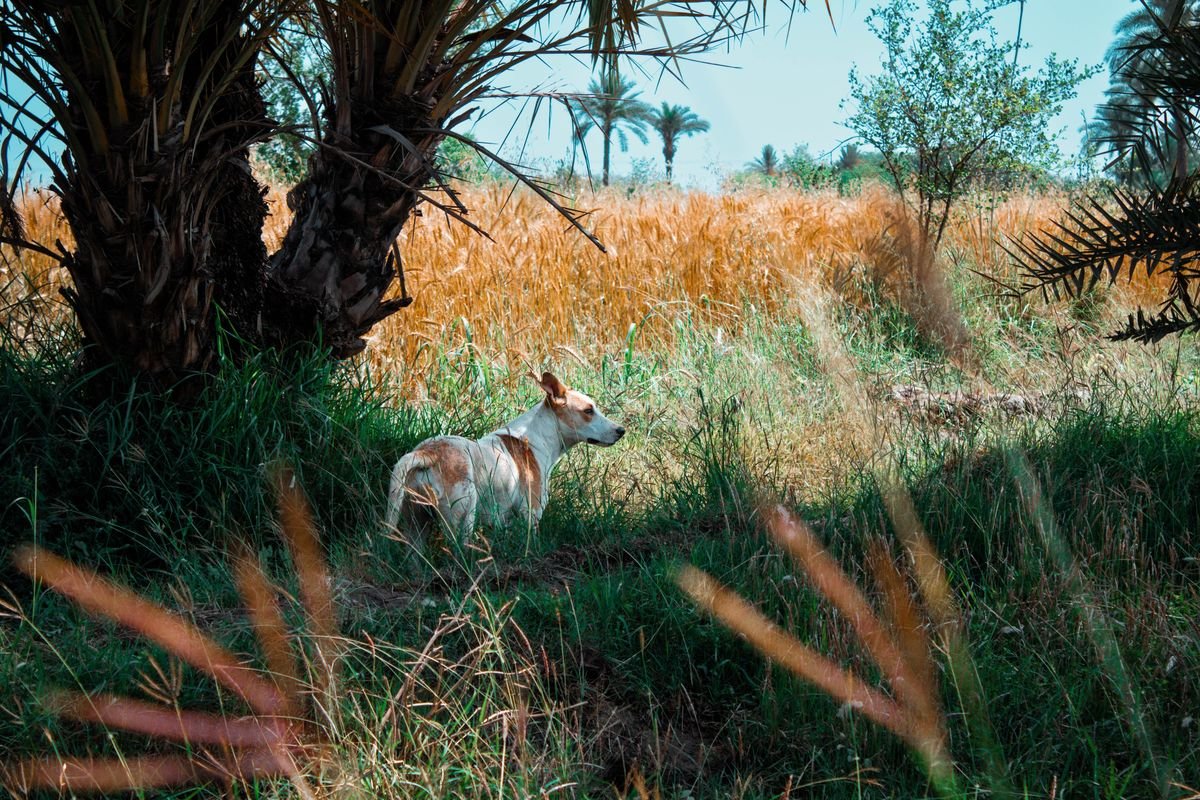
If you have a dog and palm trees in your yard, you may wonder: are palm trees toxic to dogs? The answer isn’t straightforward because it depends on the specific type of palm. Many common ornamental palms, such as areca palms and bamboo palms, are non-toxic and safe for dogs. However, one popular plant often mistaken for a palm, the sago palm, is extremely toxic and can be fatal if ingested.
It’s important to distinguish between true palms and cycads like the sago palm. True palms belong to the family Arecaceae and are generally harmless to dogs. Cycads, like the sago palm (Cycas revoluta), are not true palms but are often grouped with them by gardeners. These cycads contain potent toxins that affect the liver and nervous system. Knowing which plants are in your landscape can prevent an emergency trip to the vet.
True Palms vs. Toxic Look-Alikes
The confusion around palm toxicity often stems from misidentification. Many plants called “palms” are actually cycads, which are ancient seed plants unrelated to true palms. True palms have smooth, unbranching trunks and feather-like or fan-shaped leaves. They produce fruits like coconuts or dates, which are safe for dogs in small amounts (though not recommended as a dietary staple).
Common non-toxic true palms include the areca palm (Dypsis lutescens), bamboo palm (Chamaedorea seifrizii), parlor palm (Chamaedorea elegans), and the majestic palm (Ravenea rivularis). These are safe to have around dogs. Even if a dog nibbles on a leaf or fruit of these palms, it usually causes no more than mild gastrointestinal upset.
On the other hand, the sago palm (Cycas revoluta) and other cycads like the king sago (Cycas circinalis) are highly toxic. They produce seeds or cones that contain cycasin, a toxin that causes severe liver damage and neurological problems. Every part of the sago palm is poisonous, but the seeds (often bright red or orange) are the most dangerous.
Symptoms of Palm Poisoning in Dogs
Symptoms of palm poisoning vary depending on the type of palm ingested and the amount. For true palms, ingestion usually causes mild vomiting, diarrhea, or drooling. These symptoms often resolve on their own, but you should still consult your vet if they persist.
For sago palm poisoning, symptoms can be delayed by several hours to a day. Early signs include vomiting, diarrhea, lethargy, and loss of appetite. As the toxin progresses, you may notice jaundice (yellowing of the skin or eyes), increased thirst, bruising, and neurological signs such as seizures, tremors, or staggering. Without intervention, liver failure develops within days.
Other cycads like the cardboard palm (Zamia furfuracea) also cause similar symptoms, though they are less common in landscapes. Always identifying the plant your dog ate can help your vet choose the right treatment.
What to Do If Your Dog Eats a Palm Plant
If you catch your dog eating any part of a palm or palm-like plant, act quickly. First, remove any remaining plant material from your dog’s mouth. Then, call your veterinarian or a pet poison helpline (such as ASPCA Poison Control at 888-426-4435) for advice. Do not induce vomiting unless instructed by a professional, as some toxins cause more damage when vomited.
Collect a sample of the plant if possible to help with identification. If you are unsure what type of palm it is, take a photo or bring a leaf/fruit to the vet. Many veterinary clinics and emergency hospitals can identify common toxic plants.
Treatment for true palm ingestion is usually supportive care: fluids, anti-nausea medication, and monitoring for dehydration. For sago palm poisoning, aggressive treatment is essential. The vet may induce vomiting (if within a few hours), administer activated charcoal to absorb toxins, and provide intravenous fluids. Liver protectants like N-acetylcysteine may be used. In severe cases, hospitalization and blood transfusions are needed.
Safe Palm Alternatives for Dog-Friendly Landscapes
If you want the tropical look of palms without the risk, choose true palms that are non-toxic. Safe options include the areca palm, bamboo palm, parlor palm, and ponytail palm (Beaucarnea recurvata, which is not a true palm but is also non-toxic). The European fan palm (Chamaerops humilis) and windmill palm (Trachycarpus fortunei) are also safe.
Avoid all cycads: sago palm, cardboard palm, coontie palm (Zamia integrifolia), and queen sago (Cycas circinalis). If you already have a sago palm, remove it or fence it off so your dog cannot access it. Collect fallen seeds regularly because they are attractive to dogs and wildlife.
For indoor pet owners, consider an areca palm or parlor palm as a safe, non-toxic houseplant. Always check the scientific name when purchasing a plant, as common names can be misleading.
Frequently Asked Questions About Palm Toxicity and Dogs
Are palm fronds safe for dogs? True palm fronds are not toxic, but they can cause mechanical injury if sharp edges cut the mouth or gastrointestinal tract. Supervise chewing to avoid splinters.
Can dogs eat palm fruit? Dates from date palms are safe in small amounts, but the pits can cause blockages. Avoid feeding palm fruits as they are high in sugar and fiber.
Are palm seeds poisonous? Seeds of true palms (like coconut) are not toxic, but they pose a choking hazard. Sago palm seeds are extremely poisonous.
Is coconut safe for dogs? Coconut flesh and oil are safe and even beneficial in moderation. The hard shell can be dangerous if swallowed. Coconut water is hydrating but should be given plain.