
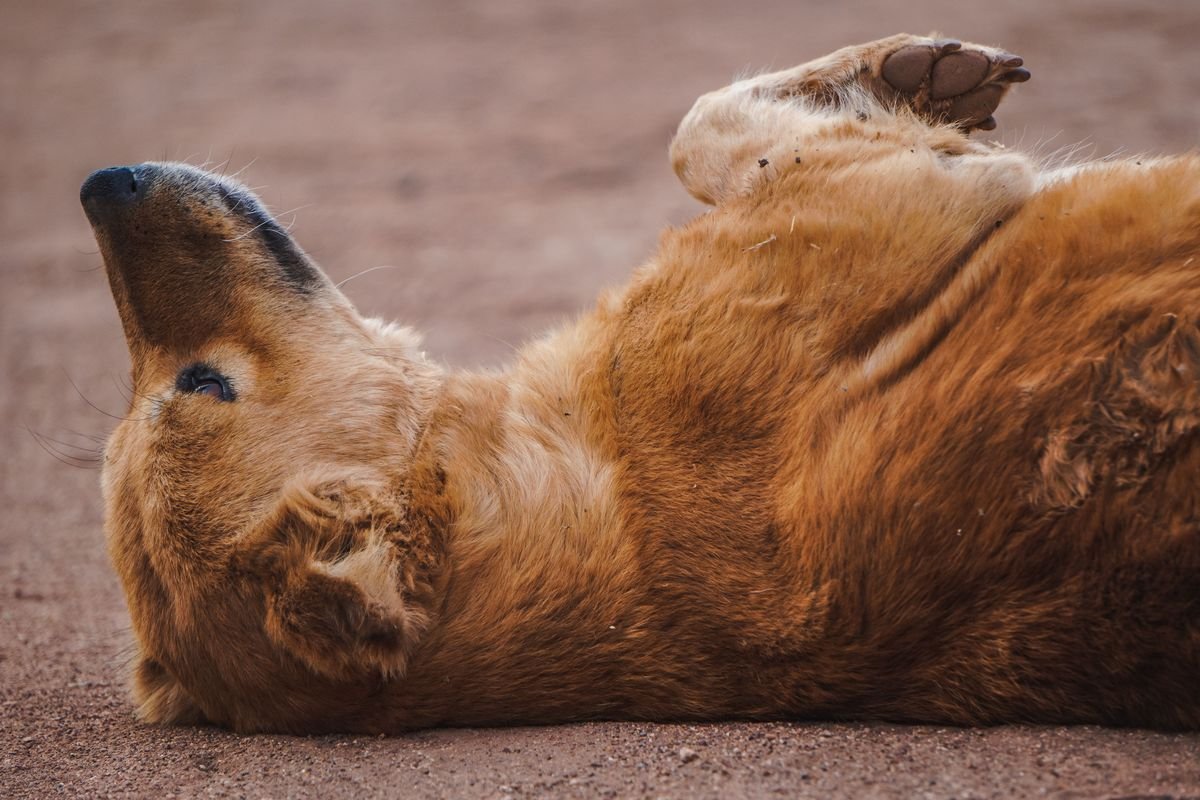
If you have ever watched your beloved dog gleefully roll on a rotting carcass or a pile of animal droppings, you know the mix of horror and confusion it brings. Why do dogs engage in such a foul-smelling ritual? This behavior is not random or malicious. It is deeply rooted in your dog’s evolutionary history.
Dogs are descendants of wolves, and many of their instincts remain intact. Rolling in dead or smelly things is one of those ancient behaviors. While it seems disgusting to us, it serves important functions for your dog. Let’s explore the reasons behind this smelly habit and what it means for your canine companion.
The Ancestral Instinct to Mask Scent
One of the most widely accepted explanations comes from observing wild canids like wolves and foxes. When wolves encounter a strong-smelling carcass, they often roll in it. The leading theory is that this masks their own scent, making them less detectable to prey. By covering themselves with the odor of a dead animal, they become a moving part of the environment rather than a predator.
Your domestic dog retains this instinct. Even though your dog does not need to hunt for food, the genetic drive to conceal its presence remains. Rolling in dead stuff is a way to blend in with the surroundings, a survival tactic passed down through millennia. It is essentially an ancient hunting strategy encoded in your dog’s DNA.
Communicating Through Scent
Dogs experience the world largely through their noses. Scent is their primary language, and rolling in strong odors is a form of communication. This section breaks down two key social functions.
Leaving a Message for the Pack
When a wolf or wild dog rolls in a interesting smell, it returns to the pack carrying the scent. Other pack members sniff the rolled-on dog, effectively receiving information about what the roller has discovered. It is like bringing home news. For your dog, you are its pack. By rolling in dead stuff, your dog is trying to share an exciting discovery with you. The dog may be saying, ‘Look what I found! Smell this amazing scent!’ Of course, your reaction is usually the opposite, but your dog sees it as a communal experience.
Scent as a Sign of Status
Another theory suggests that strong scents can signal status within the group. In some canine social systems, rolling in a particularly potent odor might assert dominance or show that the individual has had an important encounter. While this is less studied, it adds another layer to the communication hypothesis. Your dog’s roll in a dead animal could be a way of carrying a ‘scent trophy’ to display to others.
The Sheer Enjoyment of Strong Odors
Humans often find the smell of death repulsive, but dogs have a completely different olfactory system. They are attracted to strong, pungent smells that we find offensive. What we call ‘stinky’ is, to a dog, a complex and fascinating odor profile. Rolling in it may simply feel good. The texture of the material and the act of rubbing against it might be pleasurable in itself.
Think of it as your dog’s version of applying perfume. Dogs love to cover themselves in odors that are meaningful to them. Dead animal scent is a concentrated cocktail of information much more interesting than the neutral smell of your home. It is an enrichment activity that engages their sense of smell and provides mental stimulation.
Is It Dangerous? Health Considerations
While the behavior is natural, it does come with risks. Dead animals can carry bacteria, parasites, and toxins. A dog that rolls in a carcass may ingest harmful substances while grooming or simply through skin contact. Common dangers include salmonella, clostridium, and botulism. Additionally, the animal might have died from poisoning, and the toxins could transfer to your dog.
There is also the risk of picking up external parasites like fleas or ticks from the carcass. If your dog has any open wounds or sensitive skin, the bacteria could cause infections. While most healthy dogs can handle the occasional exposure, it is wise to prevent your dog from rolling in dead animals, especially if you do not know the cause of death. Always wash your dog thoroughly after such an incident and monitor for signs of illness like vomiting, diarrhea, or lethargy.
How to Discourage the Behavior
Understanding why dogs roll in dead stuff does not mean you have to tolerate it. With patience and training, you can reduce or redirect this behavior. The key is to focus on prevention and alternative activities.
First, work on a reliable recall command. If you see your dog heading toward something suspicious, call them back before they have a chance to roll. Use high-value treats and praise to reinforce coming when called. Second, teach a ‘leave it’ command. Practice with less appealing items and gradually generalize to tempting smells. Keep your dog on a leash in areas where dead animals are common, such as woods or fields.
If your dog does manage to roll, do not punish them. They do not understand that the behavior is wrong; they are following an instinct. Instead, simply clean them up and make a mental note to be more vigilant. Provide plenty of positive outlets for their sense of smell, like scent games or nose work. A dog that is mentally stimulated is less likely to seek out extreme odor experiences on their own.