
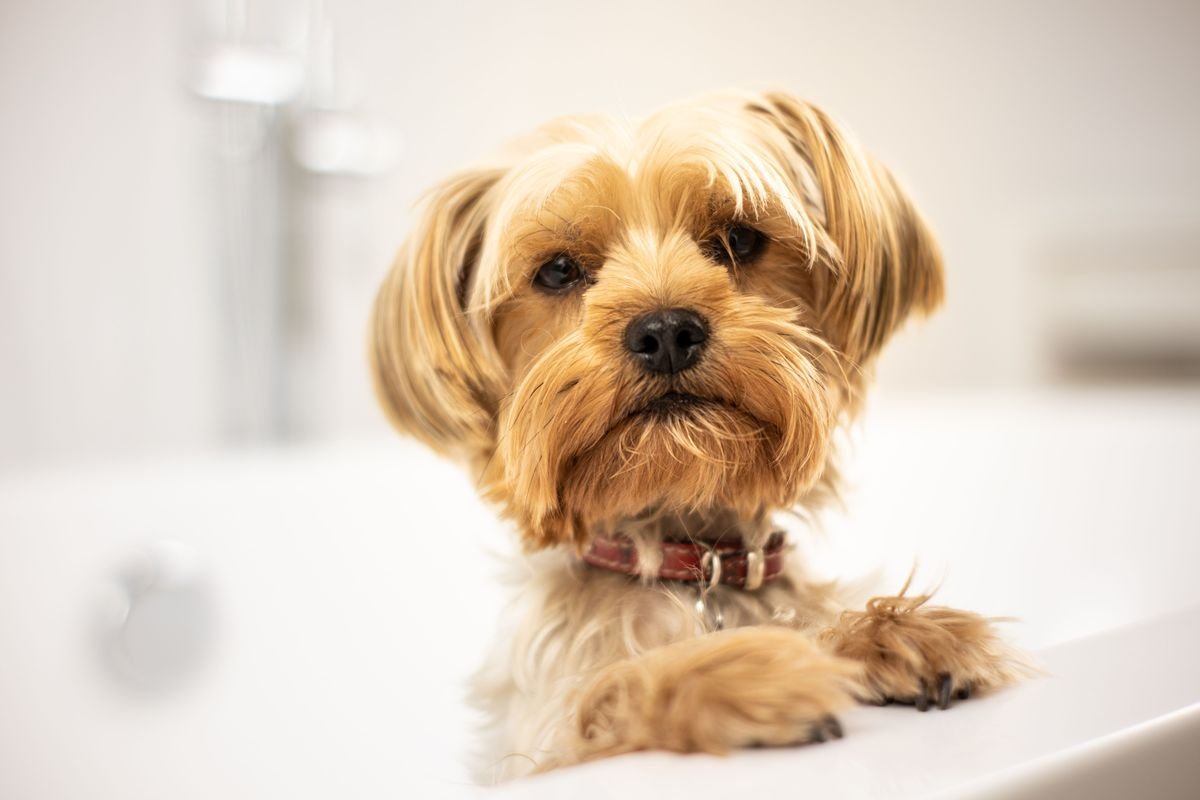
You just spent 20 minutes scrubbing, rinsing, and toweling your dog dry. The moment you release them, they burst into a frenzy of sprinting, rolling, and rubbing against furniture. This common behavior, often called the ‘post-bath zoomies,’ leaves many owners wondering: why do dogs go crazy after a bath?
The answer lies in a combination of instinct, sensory overload, and pure relief. Understanding these reasons can help you better manage the chaos and even appreciate it as a natural canine ritual.
The Frenetic Random Activity Period (FRAP)
The post-bath sprint is a classic example of what animal behaviorists call a Frenetic Random Activity Period, or FRAP. These sudden bursts of energy are normal in dogs of all ages and can be triggered by excitement, stress, or simply a buildup of energy.
A bath is a sensory-filled experience that often leaves dogs feeling both relieved and overstimulated. FRAPs help them release pent-up energy and reset their nervous system. So when your dog tears through the house after a bath, they are literally shaking off the experience.
Sensory Overload: Wet Fur and Soap Scents
Dogs experience the world primarily through their nose and skin. A bath dramatically alters their sensory landscape. Their fur becomes wet, heavy, and smells different. The shampoo they were scrubbed with has a powerful scent that can be overwhelming or even unpleasant to them.
To cope, dogs often rub against carpets, couches, or grass to remove the foreign smell and restore their own familiar odor. This scent recovery is an instinctual behavior. In the wild, a strong unnatural scent could alert prey or predators, so dogs are driven to mask it quickly.
The Need to Dry Off: Shake and Run
After a bath, a dog is wet and uncomfortable. While they can shake their body to remove excess water (the famous wet dog shake), that alone may not be enough. Running and rolling helps further dry their coat by forcing air through the fur and rubbing moisture onto absorbent surfaces like towels, carpets, or grass.
Zoomies can also be a way to speed up the drying process. The physical activity generates body heat and increases evaporation. So when your dog races around, they are essentially using motion to dry off faster.
Stress Relief and Excitement Release
Even though you try to make bath time pleasant, many dogs find it mildly stressful. Being confined, handled, and wet goes against their natural preferences. Once free, the zoomies serve as a release of that accumulated tension.
On the flip side, some dogs genuinely enjoy the bath and the attention. The zoomies can be an expression of excitement and joy. Either way, the post-bath frenzy is a way for your dog to reset emotionally and physically after a significant environmental change.
How to Manage Post-Bath Zoomies Safely
The zoomies themselves are not harmful, but a wet dog running on slippery floors can fall and injure themselves. To keep everyone safe:
– Use a non-slip mat in the bathing area and place rugs on slippery floors.
– Towel dry as much as possible before releasing your dog.
– Provide a safe space like a fenced yard or a carpeted room.
– Offer a toy or a chew to redirect the energy.
– Some dogs benefit from a short walk or gentle play before the bath to tire them out.
Remember that the zoomies are a normal, healthy behavior. Unless your dog shows signs of distress, it is best to let them bounce around until they settle naturally.
Should You Worry About Post-Bath Craziness?
In most cases, no. The post-bath zoomies are a typical canine reaction. However, if your dog seems panicked, tries to escape, or injures themselves, you should reassess your bathing routine. Some dogs are genuinely traumatized by water; for those, positive conditioning and gradual desensitization can help.
Additionally, if your dog’s zoomies are accompanied by excessive panting, drooling, or trembling, it might be stress that needs addressing. Otherwise, enjoy the show. Your dog’s crazy behavior is just their way of saying, ‘I’m clean, I’m free, and life is good.’