
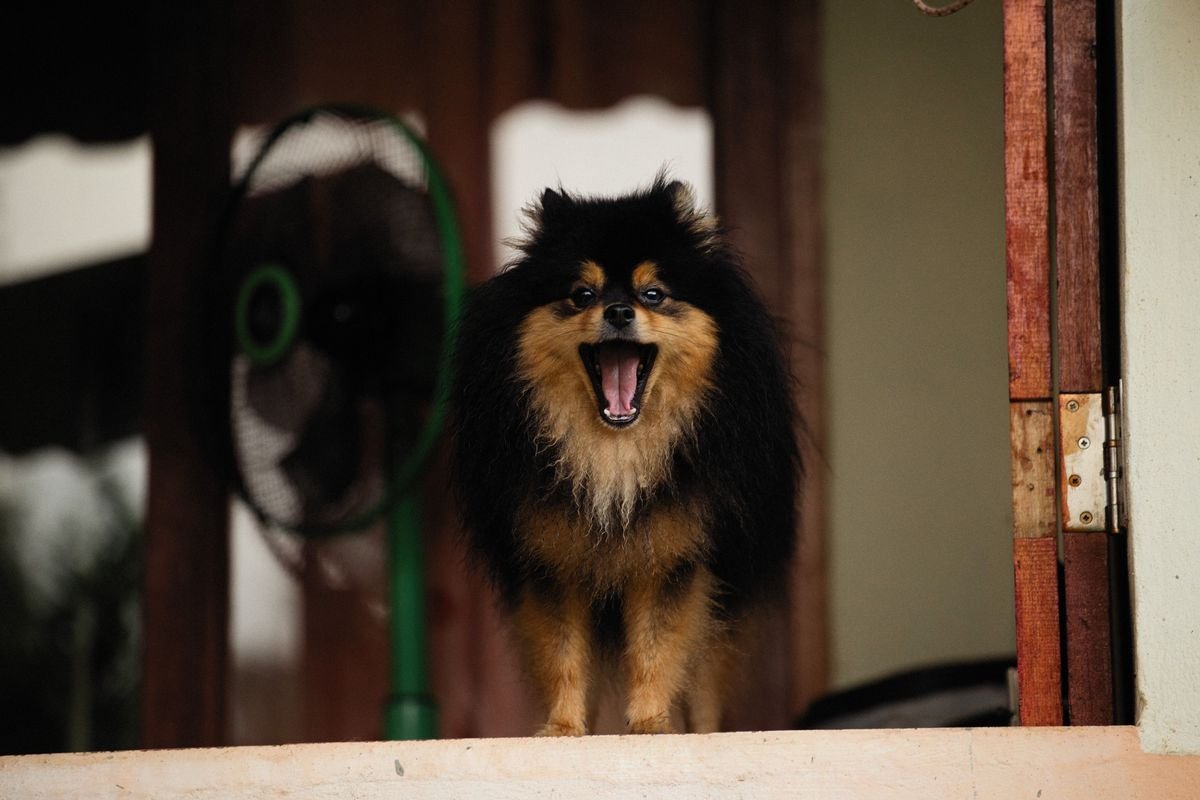
Pomeranians are small dogs with big personalities, and one of the most common questions potential owners ask is: do Pomeranian dogs bark a lot? The short answer is yes, Pomeranians are known for being vocal. However, understanding why they bark and how to manage it can make living with a Pomeranian much more enjoyable. This article explores the reasons behind their barking, compares them to other breeds, and provides practical tips to curb excessive noise.
Barking is a natural form of communication for all dogs, but Pomeranians tend to use it more freely than many other breeds. Their history as watchdogs and their alert, confident nature contribute to this tendency. But with proper training and socialization, you can help your Pomeranian learn when it is appropriate to bark and when to stay quiet.
Why Pomeranians Bark So Much
Pomeranians bark for many of the same reasons as other dogs, but certain factors make them more prone to excessive barking. Understanding these triggers is the first step in addressing the behavior.
Alert and Protective Instincts
Pomeranians were originally bred as sled dogs and later became companions, but they also served as watchdogs. Their keen hearing and sharp eyes make them quick to alert you to any perceived threat, whether it is a delivery person, a squirrel outside, or a knock at the door. This alert barking is ingrained in their nature and can be triggered by even small changes in their environment.
Excitement and Playfulness
These little dogs are full of energy and enthusiasm. When they get excited, whether for a walk, a treat, or a favorite toy, they often express that excitement through barking. Happy, high-pitched barks are common in Pomeranians and are usually accompanied by wagging tails and bouncy movements.
Boredom or Loneliness
Pomeranians are intelligent and social dogs that thrive on interaction. If left alone for long periods without mental stimulation or companionship, they can become bored or anxious. Barking becomes a way to release pent-up energy or to call for attention. This type of barking is often repetitive and can become a nuisance if not addressed.
Separation Anxiety
Due to their strong bond with their owners, Pomeranians are prone to separation anxiety. When left alone, they may bark incessantly, along with other destructive behaviors. This is not simple disobedience but a sign of distress. Managing separation anxiety requires a gentle, gradual approach to help your dog feel secure when alone.
How Pomeranian Barking Compares to Other Breeds
While all dogs bark, some breeds are naturally more vocal than others. Pomeranians rank high on the list of barky breeds, similar to other small dogs like Chihuahuas, miniature schnauzers, and dachshunds. In fact, a study by the University of Helsinki found that Pomeranians were among the top 10 breeds for excessive barking. Their small size does not match their big voice; they can produce a surprisingly loud, high-pitched bark that carries far. However, with consistent training, their barking can be managed, unlike some breeds that are inherently harder to quiet.
Tips to Reduce Excessive Barking in Pomeranians
Reducing your Pomeranian’s barking does not mean eliminating it entirely; it means teaching them when barking is appropriate and when to be quiet. Here are proven strategies that work well with this breed.
Provide Adequate Exercise and Mental Stimulation
A tired Pomeranian barks less. Regular walks, play sessions, and puzzle toys can help burn off energy and keep their mind engaged. Aim for at least 30 minutes of activity daily, split into short bursts to match their small size. Interactive games like hide-and-seek or learning new tricks also reduce boredom-related barking.
Use Positive Reinforcement Training
Teach the ‘quiet’ command using treats and praise. When your dog barks, wait for a pause, then say ‘quiet’ and reward immediately. Repeat this consistently. Avoid yelling, as your dog may interpret that as barking along with you. Instead, stay calm and patient. Crate training can also help create a safe, quiet space.
Manage the Environment
Reduce triggers by closing curtains or blinds if your dog barks at passersby. White noise machines or calming music can mask outdoor sounds. If your Pomeranian barks at the doorbell, you can practice desensitization by having a friend ring the bell while you reward calm behavior.
Address Separation Anxiety
If your Pomeranian barks excessively when left alone, work on gradual departures. Start by leaving for just a few minutes, then slowly increase the time. Provide a special toy or treat that they only get when you leave. In severe cases, consult a professional dog trainer or a veterinary behaviorist.
When Barking Might Signal a Problem
While barking is normal, a sudden increase or change in your Pomeranian’s barking pattern could indicate an issue. Excessive barking can be a sign of pain, discomfort, or cognitive decline in older dogs. If your dog seems to bark more than usual, check for physical problems like dental pain, ear infections, or vision loss. Also consider whether recent changes in the household (new pet, move, schedule change) might be causing stress. A visit to the veterinarian can rule out medical causes.
Conclusion
Pomeranians do bark a lot, but that does not mean you have to live with constant noise. By understanding the reasons behind their barking and applying consistent, positive training methods, you can teach your Pomeranian to be quieter while still allowing them to express themselves appropriately. With patience and the right approach, your little companion can become a well-mannered member of the family.