
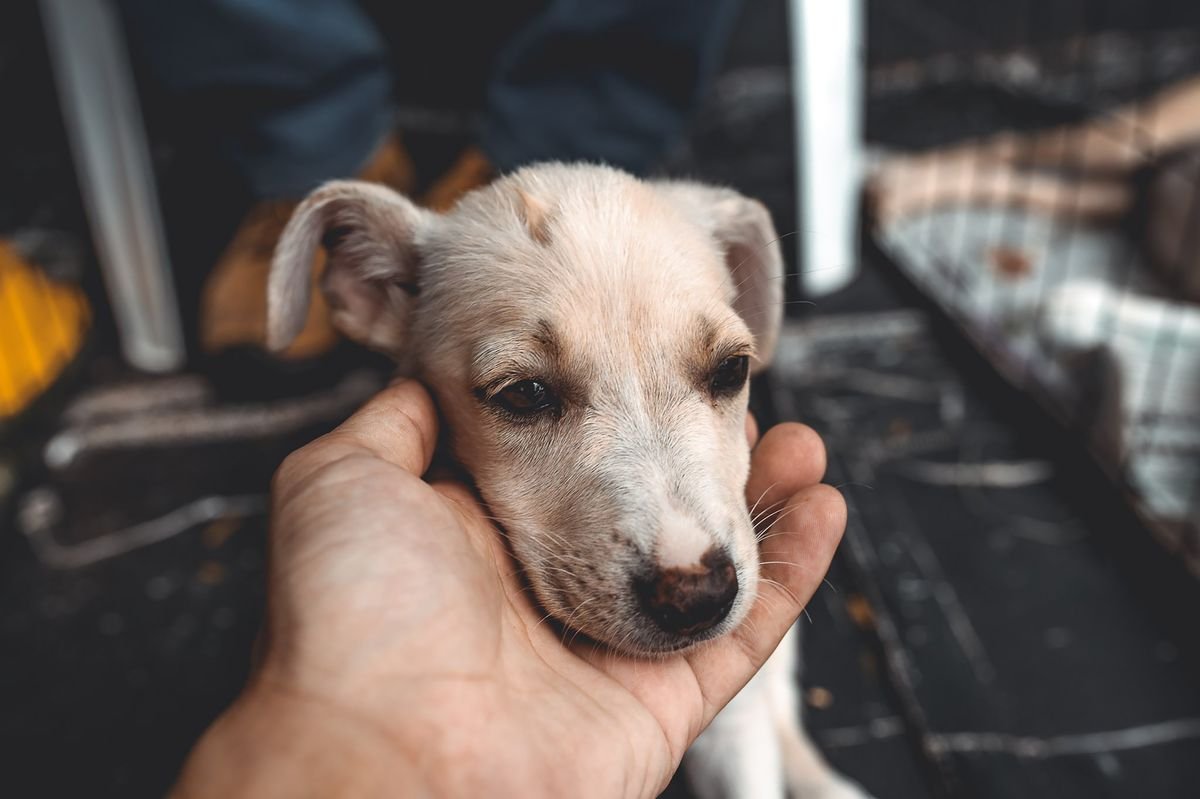
If you have ever been greeted by a dog who leans into your hand when you scratch behind their ears, you already suspect the answer. Most dogs do enjoy having their ears rubbed, and there are solid reasons for that reaction rooted in anatomy, physiology, and canine social bonding. But not all ear rubs are created equal, and some dogs may show discomfort if you touch their ears in a certain way or in a sensitive area. Understanding the ‘why’ and ‘how’ behind ear rubbing can strengthen your bond with your dog and ensure the experience is pleasurable for both of you. In this article we explore the science, the proper technique, and the subtle signs your dog uses to tell you whether they want more or want you to stop.
Why Do Dogs Like Their Ears Rubbed?
There are several reasons why ear rubbing feels good to dogs. The first is a physiological one. A dog’s ears are packed with nerve endings, making them highly sensitive to touch. When you rub them, the sensation sends pleasurable signals to the brain, similar to a gentle massage. This can release endorphins, the body’s natural feel-good chemicals. Additionally, the base of a dog’s ear is an area they cannot easily reach themselves, so a good scratch there satisfies an itch or a general need for stimulation. On a social level, ear rubbing mimics the grooming behavior that dogs experience from their mother as puppies and from trusted pack members later in life. Dogs that are closely bonded with their humans often seek out this kind of affectionate touch as a way to reinforce their connection. So when a dog leans into your hand or nudges you for more ear rubs, they are telling you that this interaction is rewarding both physically and emotionally.
The Science Behind Ear Rubbing: Endorphins and Bonding
When you rub a dog’s ears, you stimulate the release of oxytocin, sometimes called the ‘love hormone’, in both you and your dog. This is the same hormone that bonds mothers to their babies and is released during positive social interactions. Research shows that dogs experience a spike in oxytocin when they interact pleasantly with their owners, and touch is a big part of that. Ear rubbing is a specific, intimate form of touch that many dogs welcome. The sensation also triggers the parasympathetic nervous system, which helps the body relax. This is why many dogs will close their eyes, sigh, or even lean their whole body into you when you rub their ears. It is a sign of trust and contentment.
How to Rub Your Dog’s Ears the Right Way
Not all ear rubs are equally enjoyable. Technique matters. Follow these tips to make sure you are giving your dog a pleasant experience instead of an irritating one.
Start with Gentle Pressure
Begin with light, slow strokes at the base of the ear. Use the pads of your fingers rather than your nails. A common mistake is to rub too hard or too fast. Think of it as a gentle massage, not a vigorous scratch. Pay attention to your dog’s reaction. If they lean into your hand or push against you, you are on the right track.
Focus on the Base and Behind the Ear
The most sensitive and rewarding spots are at the base of the ear (the part closest to the head) and the area behind the ear where the ear joins the skull. Many dogs also love a circular motion over the leathery part of the ear flap. Experiment with different motions. Some prefer a firm but gentle squeeze and release of the base, others like a long stroke from base to tip. Watch for the ‘happy leg’ (a reflexive leg kick) as a strong indicator of pleasure.
Avoid Pulling or Yanking
Never pull on a dog’s ear or twist it roughly. The ear is delicate and full of blood vessels. If your dog has a history of ear infections or ear pain, ear rubbing may be uncomfortable. Always be gentle and stop if your dog pulls away, flattens their ears, or growls. Those are clear signs to cease.
Signs Your Dog Is Enjoying (or Not Enjoying) Ear Rubs
Dogs communicate their feelings through body language. Knowing the signals can prevent a negative experience and deepen trust.
Positive Signs: Happy Dog
A relaxed body posture is the first clue. The ears are soft and may slightly droop. The dog may lean into your hand, close their eyes, or even let out a soft sigh. Some dogs will thump their hind leg involuntarily. This is called the ‘scratch reflex’ and is a good sign they are enjoying the spot you are rubbing. They may also nudge your hand with their nose if you stop, asking for more.
Negative Signs: Discomfort or Anxiety
If the dog turns their head away, moves their body away, or tucks their tail, they are not enjoying it. Flattened ears (pressed back against the head) often indicate stress or fear. A hard stare, a lip lick, or a sudden yawn can also be stress signals. If you see these, stop immediately. Respecting your dog’s boundaries builds trust. Do not force ear rubs on a dog that does not want them.
Should You Rub a Dog’s Ears When They Are Sick or Injured?
If your dog has an ear infection, a wound, or a history of ear pain, avoid rubbing the ears altogether. The area may be tender or inflamed. Instead, offer gentle petting on the shoulders or chest. If you suspect a health issue like an ear infection (characterized by redness, discharge, odor, or head shaking), consult your veterinarian. Rubbing an infected ear can worsen the problem. Always prioritize your dog’s health over a bonding moment. In healthy dogs, ear rubbing can actually help you detect early signs of trouble; if you notice pain when you touch a spot that usually feels good, it is worth a vet check.
Other Benefits of Ear Rubbing for Dogs
Beyond bonding and pleasure, regular gentle ear rubbing can help desensitize your dog to ear handling. This is useful for administering ear medication or cleaning ears when needed. Dogs that are accustomed to having their ears touched calmly are less likely to react negatively during veterinary exams. Additionally, ear rubbing can be a useful tool for calming an anxious dog in mildly stressful situations, such as during a thunderstorm or after a visit from guests. The calming effect of oxytocin and endorphins can help shift your dog from a state of tension to relaxation. Remember that ear rubbing should always be offered, not imposed. Let your dog choose to engage. Many dogs will approach you and present their head for a rub. That is the best invitation you can get.