
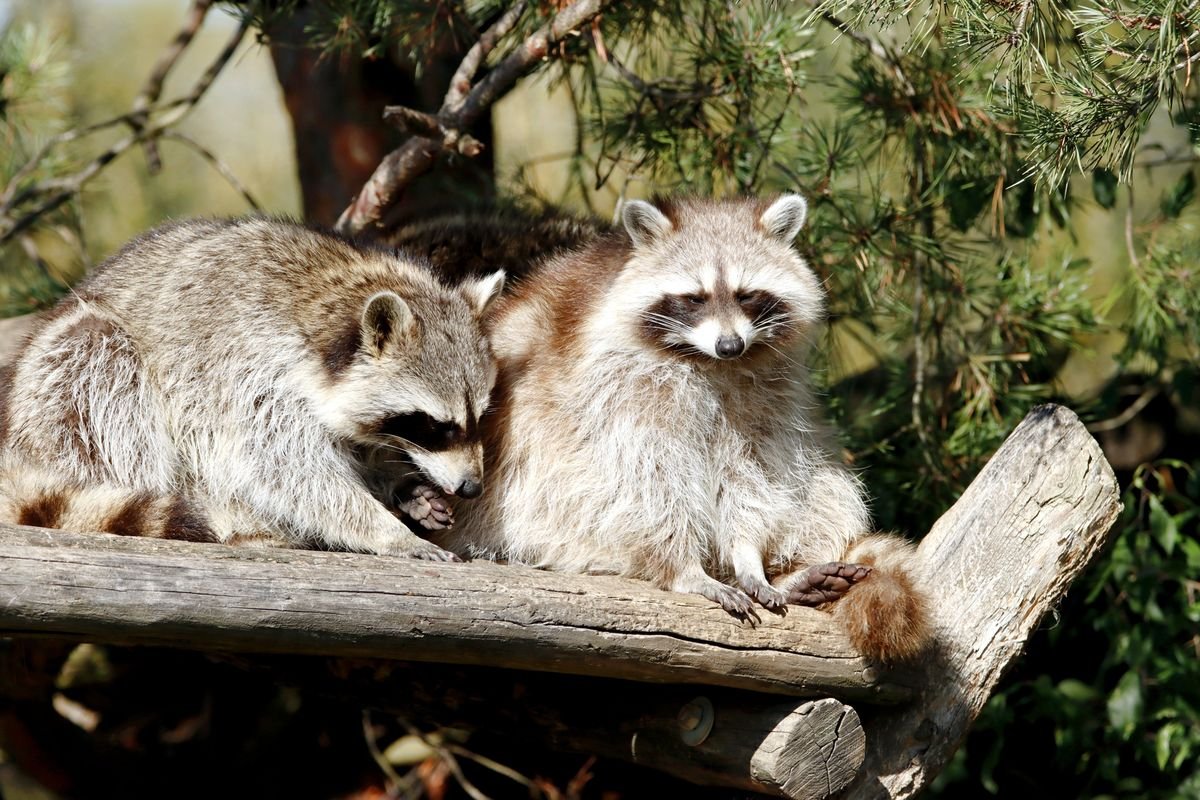
Many pet owners worry about wildlife encounters, especially at night. One common question is: do raccoons attack dogs? The short answer is yes, raccoons can and do attack dogs, though it is not the norm. Raccoons are generally shy and will avoid confrontation if possible. However, under certain circumstances, they become aggressive and may target your dog.
Understanding when and why raccoons attack is key to preventing dangerous situations. This article explores the reasons behind raccoon aggression, which dogs are most vulnerable, and practical steps you can take to protect your pet.
Why Do Raccoons Attack Dogs?
Raccoons are opportunistic omnivores that typically flee from threats. But when they feel cornered, threatened, or have something to protect, they will stand their ground. Here are the main triggers for raccoon aggression toward dogs.
Protecting Their Young
During spring and summer, female raccoons are raising their kits. A mother raccoon will fiercely defend her babies if she perceives a threat. If your dog wanders near a den site, such as a hollow tree, woodpile, or attic, the mother may attack to drive the dog away. This protective instinct is one of the most common causes of raccoon-dog conflicts.
Food Defensiveness
Raccoons are highly motivated by food. If they are near a reliable food source, like a pet food bowl left outside, an unsecured garbage can, or a compost pile, they may become defensive. A dog approaching while the raccoon is eating can trigger an attack. This is especially likely if the raccoon has learned that humans are not a threat and has become bold.
Rabies or Disease
A raccoon infected with rabies may act aggressively without provocation. Rabies causes neurological symptoms, leading to disorientation, loss of fear of humans, and unprovoked attacks. Any raccoon that is out during the day, appears sick, or seems unusually aggressive could be rabid. Such an encounter poses a serious risk to both your dog and your family.
Which Dogs Are Most at Risk?
Not all dogs face the same level of risk from raccoon attacks. Certain factors make some dogs more vulnerable to being targeted or injured.
Small Dogs and Puppies
Small breed dogs and puppies are at the highest risk of serious injury from a raccoon attack. Raccoons are about the size of a medium cat but can be surprisingly strong and aggressive. A small dog may be seen as easier to intimidate or overpower. Additionally, a small dog may trigger a raccoon’s defensive response more quickly simply because it is closer to the raccoon’s eye level.
Dogs That Chase Wildlife
Dogs with a high prey drive, such as terriers, hounds, and herding breeds, often chase raccoons. This pursuit can lead the dog directly to a den or into a confrontation. The raccoon will fight back if caught or cornered, potentially causing serious bites and scratches. Even a brief scuffle can result in infection or the transmission of diseases.
How to Prevent Raccoon Attacks on Your Dog
Prevention is the best approach to keep your dog safe from raccoon attacks. By making your yard less inviting to raccoons and supervising your dog, you can greatly reduce the risk.
Secure Your Yard
Remove potential food sources that attract raccoons. Never leave pet food or water bowls outside overnight. Secure garbage cans with tight-fitting lids or use raccoon-proof latches. Pick up fallen fruit from trees and keep compost bins closed. Also, seal off any potential den sites, such as gaps under decks, sheds, or porches. Motion-activated lights and sprinklers can deter raccoons from entering your yard entirely.
Supervise Outdoor Time
Always accompany your dog when it goes outside, especially after dark. Keep your dog on a short leash if you are walking in areas known to have raccoons. In your own yard, use a leash or go out with your dog during dusk and nighttime hours. Never let your dog investigate a raccoon sighting, and call it back immediately.
Vaccinations
Ensure your dog is up to date on rabies and distemper vaccinations. Both diseases can be transmitted through a raccoon bite. Rabies is fatal once symptoms appear, but vaccination provides protection. Your veterinarian may also recommend the leptospirosis vaccine, as raccoon urine can carry the bacteria.
What Should You Do If a Raccoon Attacks Your Dog?
If a raccoon attacks your dog, your immediate priority is to separate them without getting bitten yourself. Never try to grab the raccoon or hit it with your hands. Instead, use a loud noise, a blast from a hose, or throw something in its direction to startle it away. You can also try to create a barrier, like a large piece of cardboard or a trash can lid, between the animals.
Once separated, check your dog for injuries. Even if the wounds look minor, seek veterinary care as soon as possible. Raccoons can carry rabies, distemper, and other pathogens that require immediate medical attention.
Signs of Injury from a Raccoon Attack
Raccoon bites and scratches can be deeper and more serious than they appear. Watch for the following signs after any altercation:
– Puncture wounds, often on the face, neck, or legs
– Swelling, redness, or discharge around a wound
– Limping or reluctance to put weight on a limb
– Behavioral changes, such as lethargy, aggression, or hiding
– Any sign of bleeding
Because raccoons can carry rabies and other diseases, a bite or scratch that breaks the skin is considered a medical emergency. Do not wait for symptoms to appear.
When to Call a Veterinarian
Any suspected raccoon attack warrants a veterinary visit. Even if your dog seems fine, rabies exposure requires evaluation. Your vet will clean the wounds, possibly prescribe antibiotics, and ensure your dog’s rabies vaccination is up to date. In many areas, a booster may be required after a potential rabies exposure.
If you suspect the raccoon was rabid or acting abnormally, also contact your local animal control or health department. They can advise on testing the raccoon if it is captured. Quick action protects both your dog and your family.