
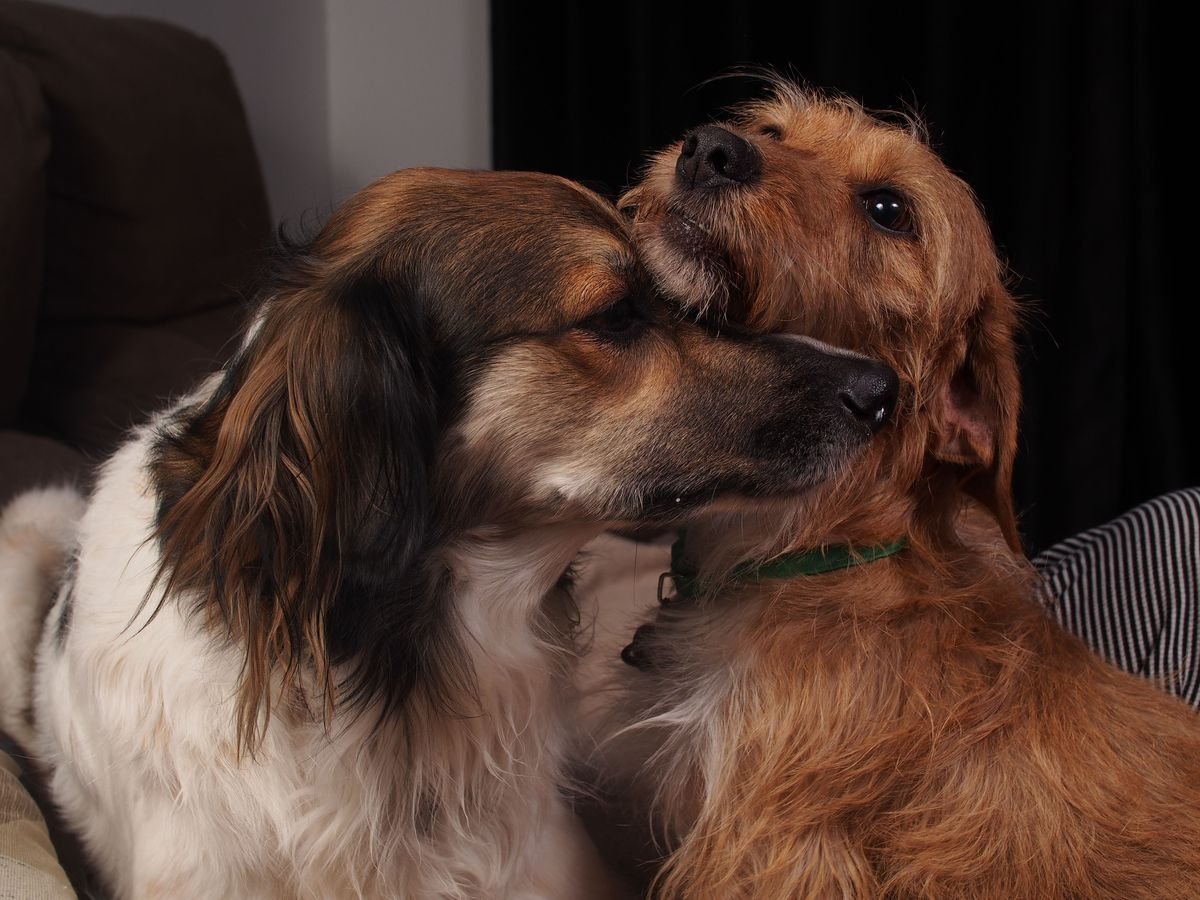
Have you ever looked into your dog’s eyes and wondered if they truly understand how much you love them? The bond between humans and dogs is unlike any other, built on thousands of years of companionship. But does your furry friend actually know they are loved?
Recent scientific studies suggest that dogs do, in fact, recognize and reciprocate affection. Through a combination of hormonal responses, brain activity, and behavioral cues, dogs demonstrate that they not only feel your love but also express their own version of love back to you.
The Science Behind Your Dog’s Love for You
Dogs are highly attuned to human emotions and social signals. Research shows that when you interact affectionately with your dog, both of your brains release oxytocin, often called the ‘love hormone.’ This same hormone bonds mothers to their babies and partners to each other.
The Oxytocin Bond
A landmark study from Japan found that when dogs and their owners gaze into each other’s eyes, oxytocin levels spike in both species. This mutual rise in oxytocin strengthens the emotional connection. Interestingly, wolves raised by humans did not show the same effect, indicating that domestication has fine-tuned this bonding mechanism.
Brain Activity and Emotion
Functional MRI scans of dogs’ brains reveal that they process human emotional cues in ways similar to humans. When dogs smell their owner’s scent, the caudate nucleus (a reward center) lights up. This suggests that the mere presence or thought of their loved owner triggers feelings of pleasure and safety.
How Dogs Show They Know They Are Loved
Dogs communicate their understanding and appreciation of love through a variety of behaviors. Recognizing these signals can reassure you that your affection is not only received but returned.
Tail Wags and Body Language
A relaxed, sweeping tail wag often indicates happiness and contentment. Dogs also show love by leaning against you, rolling over for belly rubs, or play-bowing. These are learned and instinctive gestures that signal trust and affection.
Eye Contact and the ‘Love Gaze’
Soft eye contact between you and your dog mirrors the oxytocin feedback loop. When your dog holds your gaze with relaxed eyes, it is a sign of deep trust and love. In contrast, a hard stare can indicate stress or aggression.
Ways You Can Show Your Dog Love
Understanding how your dog perceives love can help you strengthen your bond. Actions that align with your dog’s natural communication style are most effective.
Quality Time and Play
Dogs thrive on shared experiences. Playing fetch, going for walks, or simply sitting together provides mental stimulation and reinforces your role as a source of joy. Consistent, positive interactions build a secure attachment.
Physical Affection
While not all dogs enjoy constant petting, most appreciate gentle touch. Scratching the base of the tail, rubbing the chest, or ear massages can be especially calming. Pay attention to your dog’s preferences and respect their boundaries.
Positive Reinforcement
Using treats, praise, and rewards for good behavior shows your dog that you care about their well-being. This method builds trust and makes learning fun. Avoid punishment, which can damage the relationship and cause fear.
Signs Your Dog Loves You Back
Your dog’s love may not be expressed in words, but their actions speak volumes. Look for these common signs that your dog knows they are loved and loves you in return.
Excitement at Your Return
Dogs often greet their owners with exuberant tail wags, jumping, or bringing a favorite toy. This excitement is a clear indicator of attachment and happiness to see you. Even after short separations, a joyful greeting shows you are their safe haven.
Seeking Physical Closeness
If your dog chooses to lie near you, follow you from room to room, or sleep in your bed, they are demonstrating affection and trust. Dogs are social animals, and wanting to be close to you is a strong sign of love.
Protective Behaviors
A dog that alerts you to potential dangers, stands between you and a stranger, or checks on you when you are upset is showing protective love. This behavior stems from their instinct to keep their pack safe.
The Unspoken Bond
While we may never know exactly what goes on in a dog’s mind, the evidence strongly suggests that they are capable of feeling and understanding love. The mutual gaze, oxytocin release, and behavioral cues all point to a deep, shared emotional experience.
So the next time you snuggle with your pup or see their tail wag at the sound of your voice, rest assured: your dog knows they are loved, and they love you right back. Cherish that bond, it is one of life’s greatest gifts.