
If you have a dog, you have probably seen it stretch dozens of times a day. Dogs stretch after sleeping, before a walk, when greeting you, or seemingly at random. While it looks simple, stretching is a complex behavior with multiple meanings.
Understanding why dogs stretch can help you better interpret your pet’s physical and emotional state. It can also alert you to potential health issues. This article explores the most common reasons dogs stretch, from basic physiology to social communication.
The Science Behind the Stretch
Stretching is an innate behavior in many animals, including dogs. It serves several physiological purposes. When a dog wakes up, its muscles have been still for a while. Stretching helps increase blood flow and oxygen to the muscles, preparing them for action.
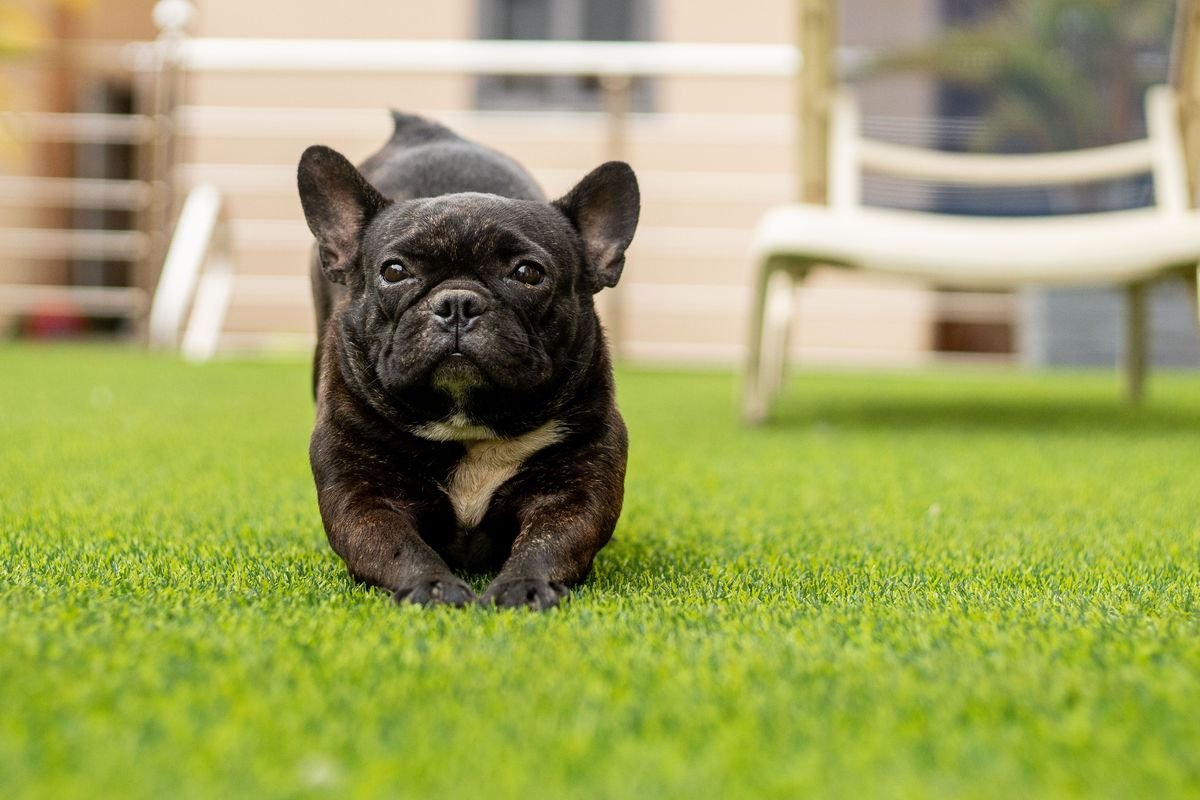
Stretching also helps release tension and realign the body after a period of inactivity. Dogs often stretch their front legs forward while keeping their hind end up, a position that elongates the spine and stretches the shoulders. This is sometimes called the ‘play bow’ position, but it can have different meanings.
Why Dogs Stretch After Sleeping
One of the most obvious times dogs stretch is right after waking up. If your dog has been napping for an hour or more, you will often see a full-body stretch before they get up.
This type of stretch is purely physical. The dog is waking up its muscles and joints, just like humans do in the morning. It boosts circulation and helps the dog feel more alert. Some dogs may also yawn during this stretch, which further increases oxygen intake.
Stretching as a Greeting
Many dogs stretch when they see their owner come home or when someone they know enters the room. This is not just waking up; the dog may have been awake and alert. This stretch often has a social meaning.
A stretching greeting can be a sign of excitement and anticipation. The dog may be saying they are happy to see you and are ready to interact. It can also be a calming signal, a way of saying ‘I am friendly and not a threat.’ By stretching, the dog shows peaceful intentions and invites positive interaction.
The Play Bow Stretch
When a dog puts its front legs on the ground and sticks its rear end up, that is a classic play bow. This is a specific stretch that almost always means one thing: ‘Let’s play!’ The play bow is an invitation to other dogs or humans to engage in play.
Dogs use this pose to communicate that their following actions, even if they seem rough, are just play. It is a way to avoid misunderstandings. The play bow also physically prepares the dog for running, jumping, and wrestling.
Stretching to Relieve Stress or Anxiety
Dogs sometimes stretch when they are feeling anxious or uncertain. This type of stretch is often slower and more deliberate, and it may be accompanied by other calming signals like lip licking, yawning, or avoiding eye contact.
In this context, the stretch is a displacement behavior. It helps the dog cope with stress by releasing physical tension. If you notice your dog stretching in a new or uncomfortable situation, it may be trying to calm itself down. Observing the environment can help you identify the source of stress.
When Stretching Could Be a Sign of a Problem
While most stretching is normal, excessive or unusual stretching can sometimes indicate a health issue. If your dog is stretching very frequently, holding stretches for a long time, or seems to be stretching in an uncomfortable way, it may be trying to relieve pain.
Conditions like pancreatitis, bloat, or back problems can cause dogs to adopt a stretching posture called the ‘prayer position,’ where the front legs are down and the rear is up but it looks tense and distressed. If your dog stretches repeatedly and seems unable to get comfortable, or if stretching is accompanied by whining, vomiting, or lethargy, consult your veterinarian.
Conclusion
Stretching is a natural and common behavior in dogs with multiple meanings. It can be a physical necessity after rest, a friendly greeting, a playful invitation, or a way to handle stress. By paying attention to the context and your dog’s overall body language, you can better understand what your dog is communicating.
Always consider your dog’s individual personality and health. Most stretching is harmless, but if you notice a change in frequency or pattern, it is worth a checkup. Knowing why dogs stretch can deepen the bond between you and your furry friend.