
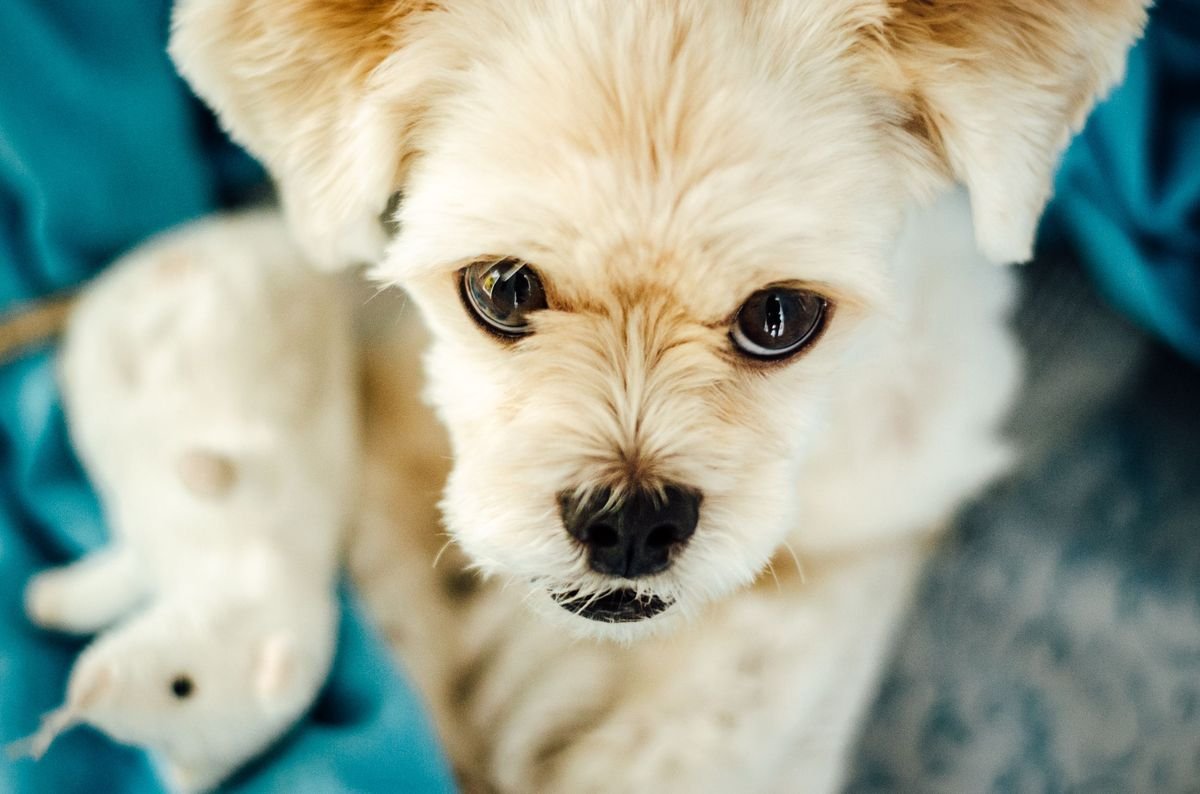
You come home to find your favorite pair of underwear shredded on the floor. Your dog looks guilty, or maybe just curious. This scenario is surprisingly common among dog owners. But why do dogs eat panties? The answer involves a mix of natural instincts, behavioral issues, and even medical conditions.
Understanding the root cause is the first step to stopping the behavior. In this article, we will explore the reasons behind this quirky habit and provide practical solutions to keep your underwear safe and your dog healthy.
Understanding the Appeal of Underwear to Dogs
To a dog, a pair of panties isn’t just a piece of clothing. It’s a multi-sensory treasure. Dogs rely heavily on their sense of smell to explore the world, and underwear carries a powerful scent signature of their owner. This makes it an irresistible target.
The Power of Scent
Dogs have up to 300 million olfactory receptors, compared to about six million in humans. Your underwear absorbs your unique body odor, sweat, and pheromones. To your dog, this scent is comforting and familiar, much like a security blanket. They may chew or eat the fabric as a way to feel close to you when you’re not around.
Texture and Chewing Satisfaction
The soft, fabric texture of panties feels good in a dog’s mouth. Many dogs enjoy chewing on things that are slightly elastic or have a bit of give. Underwear can satisfy that urge. The act of chewing also releases endorphins, which makes dogs feel happy and relaxed.
Owner’s Scent as Comfort
Dogs with separation anxiety often seek out items that smell like their owner. Panties are small, easy to grab, and heavily scented. Eating them can be a coping mechanism for stress. This is especially common in dogs that are left alone for long periods.
Common Behavioral Reasons
While scent and texture explain the attraction, behavioral factors often trigger the act. Boredom, anxiety, and learned attention-seeking are frequent culprits.
Boredom and Lack of Stimulation
Dogs that don’t get enough physical exercise or mental enrichment may resort to destructive behaviors. Eating panties can be a way to entertain themselves. A tired dog is a well-behaved dog. If your dog is left alone with nothing to do, laundry becomes a tempting toy.
Separation Anxiety
Dogs with separation anxiety often display destructive behavior, especially directed at personal items. They may pant, pace, drool, or have accidents when left alone. Eating your underwear provides comfort and a distraction. If your dog only does this when you are away, anxiety could be the cause.
Attention-Seeking Behavior
Dogs quickly learn that certain actions get your attention, even if it’s negative. If you yell or chase them when they grab your panties, they may see it as a game. They learn that stealing underwear leads to immediate interaction with you. This can reinforce the behavior.
Medical and Dietary Causes
Sometimes, the root cause is not behavioral but medical. Eating non-food items has a name: pica. If your dog’s underwear consumption seems compulsive or accompanied by other symptoms, a vet check is wise.
Pica
Pica is the urge to eat non-nutritive substances. It can stem from nutritional deficiencies, such as lack of iron, zinc, or certain vitamins. However, it can also be a symptom of underlying medical issues like gastrointestinal parasites, inflammatory bowel disease, or even diabetes. A vet can run tests to rule out these conditions.
Nutritional Deficiencies
If a dog’s diet lacks essential nutrients, they may seek them elsewhere. Some experts believe that eating fabric could be an attempt to obtain fiber or minerals. Ensure your dog is on a high-quality, balanced diet. Consult your vet before making any changes.
Digestive Issues
Dogs with upset stomachs may eat grass or foreign objects to induce vomiting. Eating underwear could be a similar attempt to relieve nausea. If your dog vomits after eating panties, monitor for other signs of gastrointestinal distress.
How to Stop Your Dog from Eating Panties
The solution depends on the underlying cause. Here are effective strategies to curb this behavior. Remember, punishment usually backfires. Instead, focus on prevention and positive reinforcement.
Management and Prevention
The simplest solution is to keep laundry out of reach. Use a closed hamper or keep the bathroom door shut. Pick up any stray socks or underwear immediately. Crate train your dog when you cannot supervise. Prevention is key to breaking the habit.
Provide Appropriate Chews and Toys
Offer a variety of safe, long-lasting chews like bully sticks, rubber toys, or puzzle feeders. Rotate toys to keep them interesting. When you see your dog approaching underwear, redirect them to a toy and reward them for chewing that instead.
Increase Mental and Physical Exercise
A tired dog is less likely to seek out inappropriate items. Aim for at least 30 minutes of physical activity daily, plus mental stimulation like training sessions, hide-and-seek, or food puzzles. Boredom is one of the most common triggers, so keep your dog engaged.
Consult a Veterinarian or Behaviorist
If the behavior persists despite your efforts, seek professional help. A vet can check for medical issues. A certified dog behaviorist or trainer can address underlying anxiety or compulsive behaviors. In some cases, medication for separation anxiety may be necessary.