
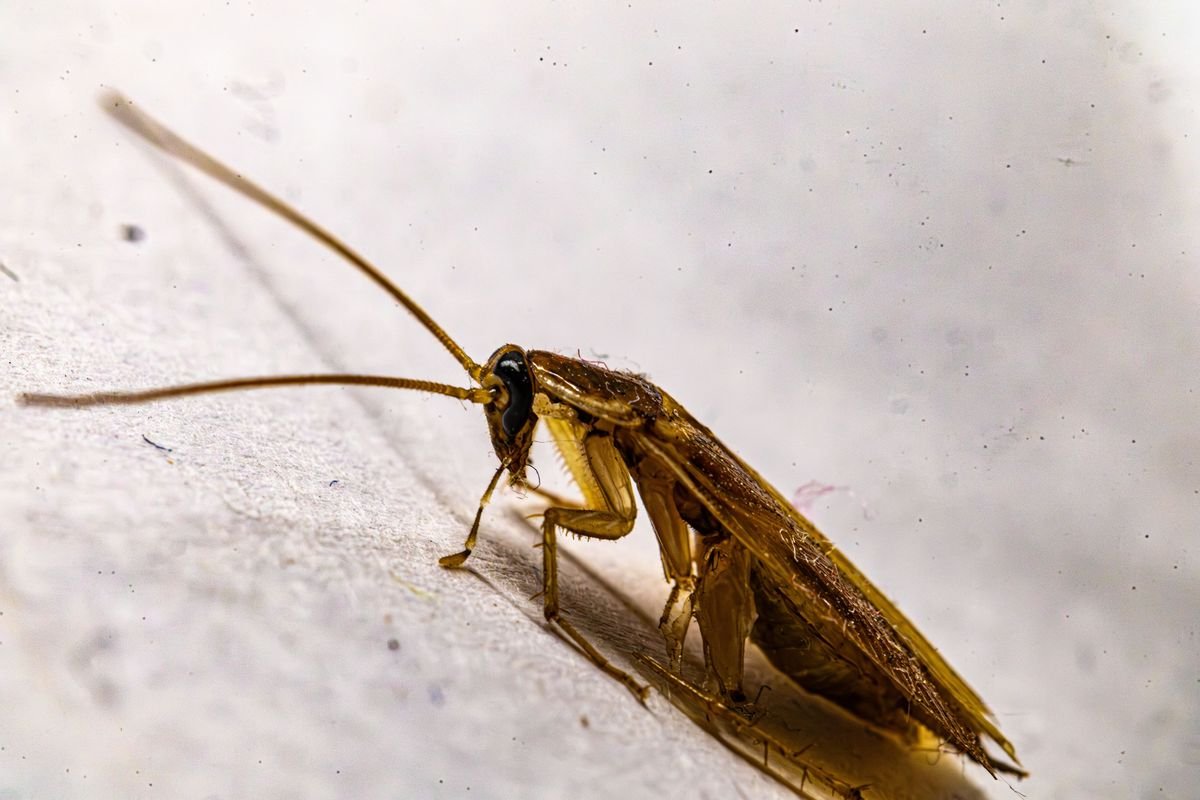
If you have a dog and a cockroach problem, you may have witnessed your dog chasing or even eating a cockroach. This behavior can be alarming or simply puzzling. Many dog owners wonder whether it is normal and, more importantly, whether it is safe.
Dogs are curious creatures with strong instincts. They explore the world through their mouths, and a fast-moving insect can trigger a prey drive. But while eating a cockroach might not always cause harm, there are several factors to consider for your dog’s health and safety.
Why Do Dogs Eat Cockroaches?
Understanding the reasons behind this behavior can help you address it. Dogs eat cockroaches for a variety of instinctual and environmental reasons.
Instinct and Prey Drive
Dogs are natural hunters. Though domesticated, they retain the instinct to chase and capture small moving objects. Cockroaches, with their quick and erratic movements, can trigger your dog’s prey drive. For many dogs, catching and eating a cockroach is a satisfying way to fulfill this instinct.
Curiosity and Exploration
Dogs use their mouths to investigate new things. A cockroach is an unfamiliar object that moves, smells interesting, and makes a crunching sound when caught. This combination can be irresistible for a curious dog, leading them to taste or eat it.
Taste and Texture
While it may not appeal to humans, some dogs find cockroaches tasty. The texture is crunchy, and the insect’s body contains nutrients like protein and fat. If a dog eats a cockroach and enjoys it, they may repeat the behavior.
Is It Safe for Dogs to Eat Cockroaches?
In most cases, eating a single cockroach is not an emergency. However, there are potential risks that every dog owner should know.
Risk of Parasites and Pathogens
Cockroaches can carry harmful bacteria like Salmonella and E. coli. They also may host intestinal parasites such as roundworms and tapeworms. If your dog eats a cockroach infected with these, they could develop gastrointestinal upset or a parasitic infection. Symptoms may include vomiting, diarrhea, weight loss, or a dull coat.
Pesticide and Chemical Exposure
If you use roach traps, sprays, or baits, the cockroach your dog eats may contain poison. Even small amounts of insecticide can be toxic to dogs, causing drooling, tremors, seizures, or vomiting. Always check that pest control products are pet safe, and consider using non-toxic methods.
Choking and Physical Injury
Cockroach legs and exoskeletons can be sharp and may cause irritation or, rarely, a partial obstruction. Small dogs or puppies are at higher risk. If your dog coughs, gags, or appears to have something stuck, monitor closely.
What Should You Do If Your Dog Eats a Cockroach?
First, do not panic. Observe your dog for any immediate signs of distress like choking, excessive drooling, or vomiting. If they seem fine, they likely will be.
Remove any remaining cockroaches and clean the area to prevent further incidents. If you suspect the cockroach was poisoned, contact your veterinarian immediately. They can advise whether to induce vomiting or monitor at home.
For routine cases, watch for changes in appetite, stool quality, or energy over the next 24-48 hours. If your dog develops persistent vomiting, diarrhea, or lethargy, seek veterinary care.
How to Prevent Your Dog from Eating Cockroaches
Prevention is the best approach. Here are practical steps to reduce the chances your dog will snack on cockroaches.
Control the Cockroach Population
Keep your home clean and free of food scraps that attract roaches. Store pet food in sealed containers, take out trash regularly, and fix leaky pipes. Use pet-safe pest control methods, such as boric acid (in places your dog cannot reach) or diatomaceous earth.
Train the ‘Leave It’ Command
Training your dog to ‘leave it’ on cue can prevent them from grabbing anything undesirable, including cockroaches. Practice with treats and toys, then generalize to real-life distractions. This command can be a lifesaver in many situations.
Supervise and Redirect
When you see your dog eyeing a cockroach, distract them with a toy or a command. Offer a healthy treat as an alternative. Over time, they may learn that ignoring roaches leads to better rewards.
Frequently Asked Questions
Here are answers to common concerns about dogs and cockroaches.
Can dogs get sick from eating cockroaches?
Yes, though it is not common. Illness can occur if the cockroach carries bacteria or parasites, or if it was poisoned. Most dogs experience no symptoms, but it is wise to monitor them.
Should I make my dog vomit if they ate a cockroach?
Only if advised by a veterinarian. Inducing vomiting without cause can be harmful. Call your vet first, especially if the cockroach may have ingested pesticides.
Why does my dog only eat dead cockroaches?
Some dogs prefer dead insects because they are easier to catch and may have a stronger scent. However, dead roaches can still carry bacteria, so it is best to remove them promptly.