
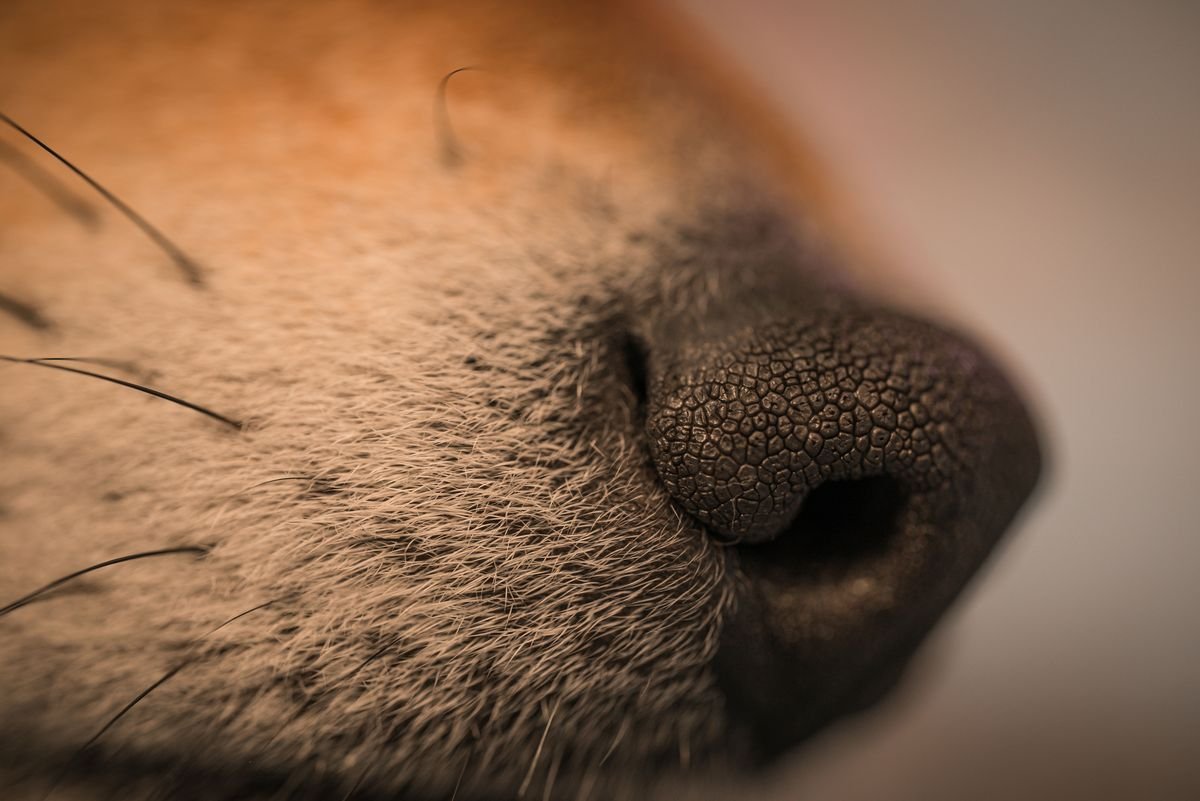
A dog’s whiskers, also known as vibrissae, are much more than facial hair. They are highly sensitive tactile organs that help dogs navigate their environment and sense nearby objects. Many pet owners wonder what happens if these specialized hairs are cut, whether by accident or during a grooming session. The short answer is that while cutting whiskers is not painful, it can cause temporary disorientation and stress for your dog.
Whiskers are deeply rooted in follicles packed with nerves and blood vessels. They send constant sensory information to the brain about air currents, spatial dimensions, and nearby obstacles. Without them, a dog may feel unsure of its surroundings and behave cautiously or clumsily. Understanding the role of whiskers helps explain why cutting them is best avoided.
Understanding Your Dog’s Whiskers
Whiskers are specialized hairs that differ from normal fur in structure and function. They are thicker, stiffer, and embedded more deeply in the skin. Each whisker follicle is packed with nerve endings that make them extremely sensitive to even the slightest touch or vibration.
What Are Whiskers?
Whiskers are not limited to the muzzle. Dogs also have whiskers above the eyes, on the chin, and even on the back of their legs. These are called mystacial, superciliary, genal, and carpal whiskers, respectively. Each group serves a specific purpose, such as protecting the eyes from debris or helping the dog sense ground texture when walking.
Why Do Dogs Have Whiskers?
Whiskers are essential for spatial awareness, especially in low light or tight spaces. They act like radar, detecting changes in air currents to alert the dog to nearby objects before making contact. This prevents the dog from bumping into walls or getting stuck. Whiskers also help with hunting and exploring by providing feedback about prey. Additionally, they play a role in social communication when dogs sniff each other’s faces.
The Consequences of Cutting a Dog’s Whiskers
Cutting a dog’s whiskers does not cause any physical pain because the hair itself has no nerve endings. However, the sensory deprivation that follows can have several negative effects on the dog’s behavior and safety.
Disorientation and Loss of Spatial Awareness
Without whiskers, a dog’s ability to gauge the size of openings or detect nearby objects is impaired. Your dog may misjudge distances, bump into furniture, or become hesitant to move around. This is especially problematic at night or in unfamiliar environments. The effect is usually temporary, lasting until whiskers regrow, but it can be stressful during that period.
Stress and Anxiety
Dogs rely on whiskers to feel secure in their surroundings. Losing that sensory input can make them feel vulnerable, leading to anxiety. You may notice your dog acting more cautiously, avoiding certain areas, or showing signs of nervousness like whining or hiding. In some cases, dogs may become more reactive to touch because their sensory feedback is altered.
Increased Risk of Injury
Whiskers protect the face and eyes from accidental scratches and collisions. Without them, a dog might not blink in time to avoid an object coming toward its face. The carpal whiskers on the front legs help the dog sense the terrain; trimming them could lead to tripping or missteps. While serious injury is unlikely, the risk is higher until whiskers grow back.
Common Myths About Dog Whiskers
There are several misconceptions about whiskers that may encourage owners to trim them. Let’s clear them up.
Do Whiskers Grow Back?
Yes, whiskers grow back just like regular hair. However, the regrowth process can take weeks or even months. During this time, the dog’s spatial perception remains compromised. Cutting whiskers does not damage the follicle, so they will usually regrow to their original length and thickness.
Is It Painful to Cut Whiskers?
No, cutting whiskers is not painful because the hair itself lacks nociceptors (pain receptors). But because the follicle is sensitive to vibration, some dogs may feel a slight tugging sensation if the whisker is pulled. Using sharp scissors or clippers minimizes any discomfort. Nevertheless, the experience may be psychologically unpleasant if the dog has negative associations with the grooming tool.
What to Do If You Accidentally Cut Your Dog’s Whiskers
If you or a groomer accidentally trims your dog’s whiskers, do not panic. The whiskers will grow back. In the meantime, take steps to make your dog comfortable. Avoid rearranging furniture or moving objects in your home to prevent collisions. Supervise your dog during walks, especially in unfamiliar areas. Provide extra reassurance through calm petting and verbal praise. If your dog seems overly stressed, engage them in familiar games or activities that do not require precise spatial judgment, such as scentwork or chew toys.
How to Prevent Accidental Cuts
The best way to avoid cutting whiskers is to be informed. Many groomers automatically trim whiskers for a ‘neater’ look. Always communicate clearly that you want your dog’s whiskers left intact. When grooming at home, use blunt-nosed scissors and avoid trimming too close to the muzzle. If you are shaping the face with clippers, use a guard comb to prevent shaving off whiskers. For show dogs, some breed standards require whisker trimming, but for the average pet, it is better to leave them alone.
Final Thoughts
Whiskers are a vital sensory tool for dogs, not merely cosmetic. Cutting them can temporarily impair your dog’s ability to navigate and feel secure. While the effects are reversible, the stress and disorientation are unnecessary. Treat your dog’s whiskers with the same care you give your own eyesight, and you will help them stay confident and comfortable in their world.