
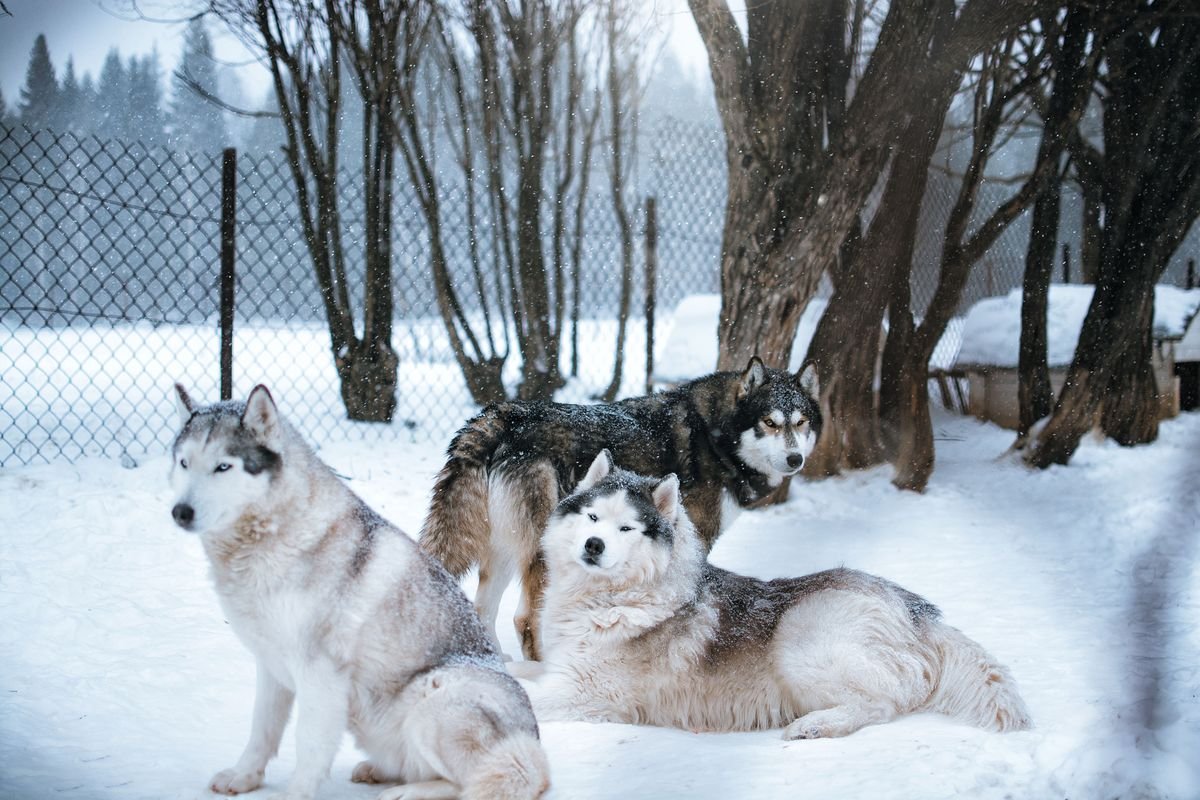
Huskies are known for their striking appearance and energetic personalities. But can these spirited dogs become reliable service dogs? The answer is complex. Service dogs must perform specific tasks to mitigate a handler’s disability, and not every breed is suited for this demanding role.
While huskies are intelligent and loyal, their independent nature and high energy levels present unique challenges. This article explores the suitability of huskies for service work, covering temperament, training requirements, legal aspects, and realistic alternatives.
Understanding Service Dog Requirements
Service dogs are defined by the Americans with Disabilities Act as dogs trained to perform tasks directly related to a person’s disability. This includes guiding the blind, alerting deaf individuals, pulling a wheelchair, retrieving items, or alerting to medical conditions.
To qualify, a dog must have a calm temperament, high trainability, and the ability to work in public without distraction. They must also be healthy and able to handle the physical demands of the job. Not all breeds meet these criteria, and huskies often fall short in key areas.
Husky Temperament and Traits
Huskies were bred for endurance and teamwork in harsh Arctic climates. These traits can both help and hinder service work.
Independence and Stubbornness
Huskies are highly independent thinkers. They were bred to make quick decisions while pulling sleds, which can translate into a stubborn streak. Service dogs need to be biddable and eager to please, but huskies often prefer to do their own thing. This independence makes consistent obedience training more challenging.
Energy and Exercise Needs
Huskies have enormous energy requirements. They need at least one to two hours of vigorous exercise daily. A service dog must be calm and focused during work, which can be difficult for a high-energy breed. Without sufficient exercise, a husky may become restless or destructive. This need for activity can conflict with a handler’s disability-related limitations.
Socialization and Prey Drive
Huskies are generally friendly with people, but they have a strong prey drive. They may chase small animals or become distracted by moving objects. Service dogs must remain neutral around distractions. Additionally, huskies can be vocal with howling and barking, which is often undesirable in public settings.
Training a Husky for Service Work
Training any service dog takes months of dedicated work. With a husky, the challenges multiply.
Challenges in Obedience and Task Training
Huskies are not naturally inclined to perform repetitive tasks. Their motivation often depends on what’s in it for them. Positive reinforcement with high-value treats can work, but success requires patience and consistency. Many huskies struggle with off-leash reliability, which is essential for some service tasks.
Additionally, huskies are known for their escape artist skills. They may dig under fences or slip out of collars, making reliability a concern.
Possible Tasks for Huskies
Despite the challenges, some huskies can perform certain service tasks. For example, they can be trained for mobility support like pulling a wheelchair, given their strength. Their endurance makes them suitable for long walking or guiding in open areas. But tasks requiring fine motor control or stationary focus (like alerting to sounds) are more difficult.
A husky might also excel in psychiatric service work, such as providing deep pressure therapy during anxiety attacks, due to their size and affectionate nature. However, their energy levels must be carefully managed.
Legal Considerations and Public Perception
Under the ADA, any breed can be a service dog if trained to perform tasks. There is no breed restriction. However, public perception can be a hurdle. Huskies often face stereotypes as “untrainable” or “dangerous,” which may lead to access challenges. Business owners or passengers might question the dog’s legitimacy.
Handlers must be prepared to educate others and ensure their husky is impeccably behaved in public. A poorly behaved husky in a store reinforces negative stereotypes, so training must be flawless.
Alternatives to Full Service Dog Role
If a husky doesn’t meet service dog criteria, there are other roles they can fill. Emotional support animals (ESAs) provide comfort but do not have public access rights. Therapy dogs visit hospitals and schools, which suits a friendly, well-exposed husky.
Some huskies work as autism assistance dogs for children, where their playful nature helps with sensory issues. Others excel in canine sports like agility or skijoring, which channel their energy positively. Ultimately, focusing on the dog’s strengths rather than forcing service work leads to a happier life for both dog and owner.
Final Thoughts on Huskies as Service Dogs
So can huskies be service dogs? It is possible but rare. A husky with an unusually calm temperament, excellent training, and a handler committed to meeting their exercise needs might succeed. However, for most people, a husky is better suited to a role that matches their natural drive.
When considering a service dog, research breeds known for trainability and stable temperaments, such as Labradors or Golden Retrievers. If you already have a husky and want to explore service work, consult a professional trainer for an honest assessment. With realistic expectations and a lot of patience, your husky can still be a wonderful partner in many ways.