
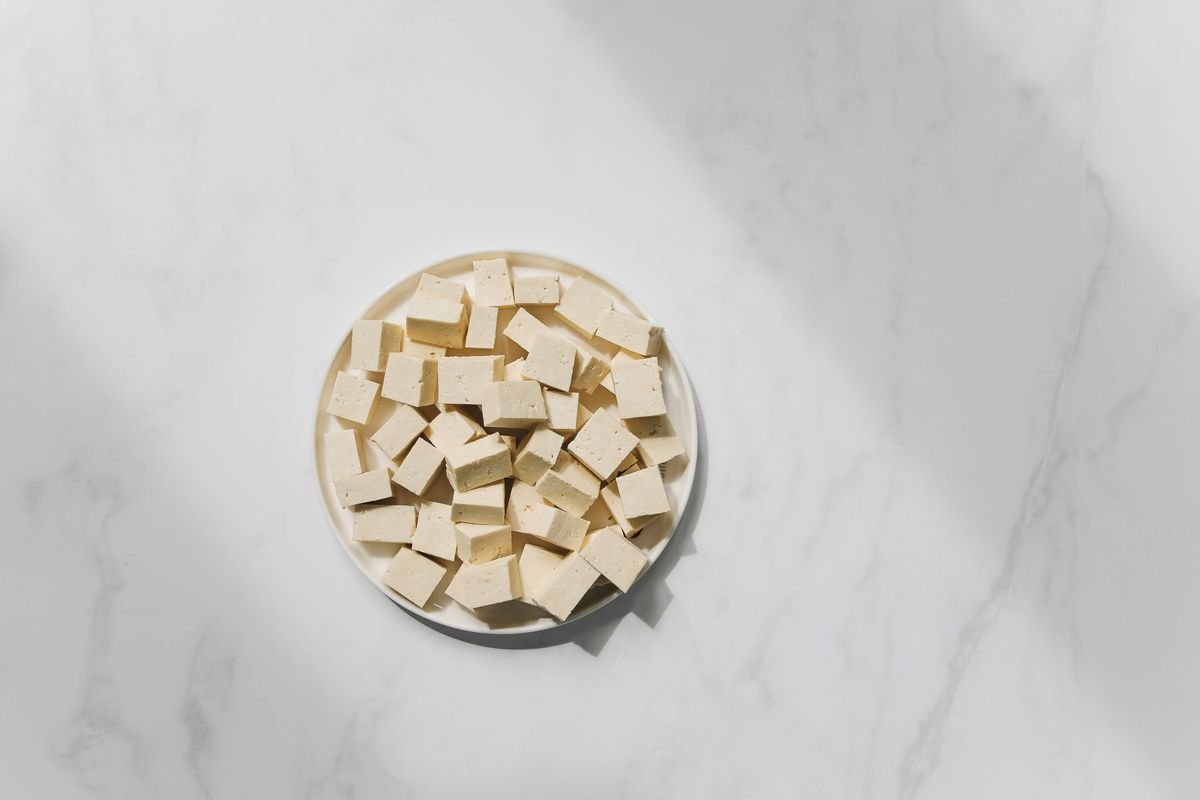
Many pet owners wonder if dogs can have tofu, especially those looking for plant-based protein options. Tofu is made from soybeans and is a staple in vegetarian and vegan diets. While tofu is not toxic to dogs, there are important factors to consider before adding it to your dog’s bowl.
The short answer is yes, dogs can eat tofu, but only in moderation and with proper preparation. Tofu should never replace a balanced diet formulated for dogs. Always consult your veterinarian before introducing new foods, especially if your dog has health conditions or allergies.
Is Tofu Safe for Dogs?
Tofu is generally safe for dogs when served plain and in small amounts. However, safety depends on how it is prepared and your dog’s individual health. The key is to avoid any added ingredients that are harmful to dogs.
Plain vs. Seasoned Tofu
Plain tofu is the only type safe for dogs. Seasoned or marinated tofu often contains ingredients like onion, garlic, salt, or spices that can be toxic or cause digestive upset. Onion and garlic, in particular, can damage red blood cells in dogs. Always choose unflavored, firm or silken tofu with no additives.
Soy Allergies in Dogs
Soy is a common allergen for some dogs, though not as common as beef or dairy. If your dog has never eaten soy, watch for signs of an allergic reaction such as itching, hives, ear infections, or gastrointestinal issues. Start with a tiny amount and observe for 24 hours.
Potential Benefits of Tofu for Dogs
Tofu offers some nutritional benefits, but it should not be a primary protein source. It can be a useful treat or supplement for dogs with specific dietary needs.
Plant-Based Protein Source
Tofu is rich in protein, containing all essential amino acids. This makes it a good option for dogs with meat allergies or sensitivities. It can also be a protein boost for dogs on a homemade diet, but always balance with other nutrients.
Low in Saturated Fat
Compared to animal proteins, tofu is low in saturated fat and cholesterol-free. This can be beneficial for overweight dogs or those with pancreatitis, provided the tofu is not fried or cooked in oil.
Risks and Considerations
While tofu is safe in small amounts, there are risks to keep in mind. Overfeeding or improper preparation can lead to health issues.
Digestive Upset
Tofu is high in fiber and may cause gas, bloating, or diarrhea if introduced too quickly or in large quantities. Dogs with sensitive stomachs may have trouble digesting soy. Start with a teaspoon-sized piece and gradually increase if tolerated.
Phytoestrogens and Hormones
Soy contains phytoestrogens, which have raised concerns about hormonal effects in dogs. However, moderate amounts are unlikely to cause problems. Most veterinary experts agree that occasional small servings pose minimal risk.
How to Safely Feed Tofu to Your Dog
Follow these guidelines to ensure tofu is a safe treat for your dog. Always prioritize your dog’s regular diet over supplements.
Serving Size Guidelines
For small dogs, a cube about half an inch (around 10-15 grams) is plenty. Medium dogs can have up to 30 grams, and large dogs up to 50 grams once or twice a week. Treats should not exceed 10% of daily caloric intake.
Preparation Tips
Serve plain, unseasoned tofu. You can offer it raw or lightly steamed. Avoid frying or adding oil, salt, or sauces. Mash or cut into small pieces to prevent choking. For dogs new to tofu, freeze small cubes as a refreshing treat on hot days.
Healthier Alternatives to Tofu
If you’re looking for protein-rich treats or dietary boosters, consider these safer, more nutrient-dense options:
– Cooked lean meats like chicken, turkey, or beef (no bones, skin, or seasoning)
– Cooked fish such as salmon or sardines (boneless, in water)
– Eggs (scrambled or boiled)
– Plain yogurt or cottage cheese (if your dog is lactose tolerant)
– Vegetables like green beans, carrots, or pumpkin (for fiber)
Final Verdict: Can Dogs Have Tofu?
Yes, dogs can have tofu in moderation as an occasional treat, provided it is plain and served in small amounts. It offers some protein and low fat benefits but is not a necessary part of a dog’s diet. Always introduce new foods gradually and consult your vet, especially if your dog has health conditions or a history of food allergies. When in doubt, stick to high-quality commercial dog food or vet-recommended treats.